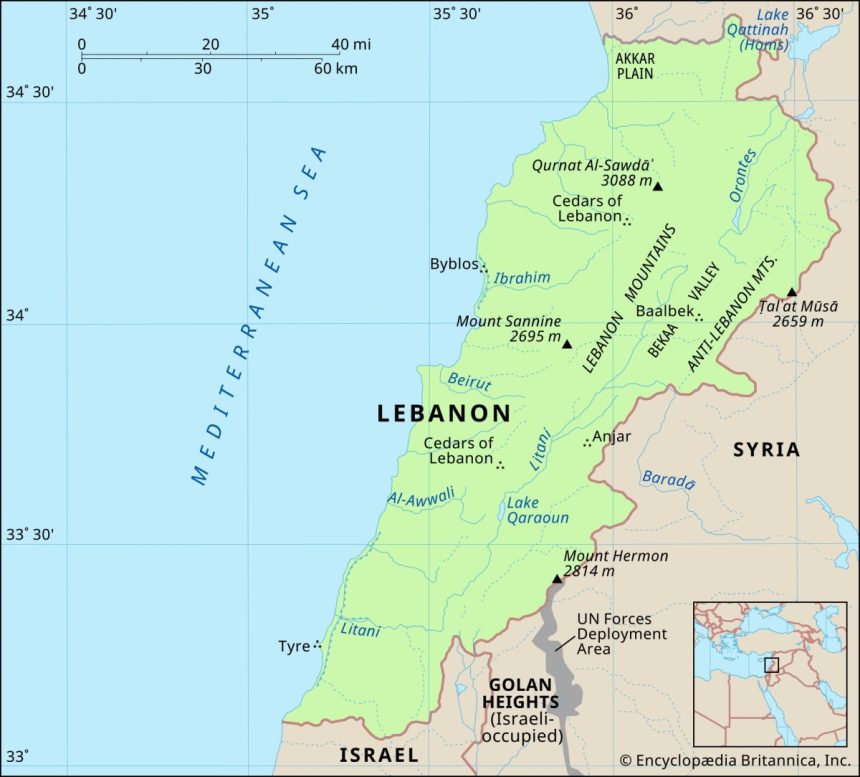
- Fresh Israeli overnight airstrikes have killed at least seven people in Lebanon, just hours after international diplomats confirmed that Israel and Hezbollah had reached a ceasefire agreement to end the border war.
- A severe flare-up on Friday resulted in the deaths of 18 civilians in Lebanon and four Israeli soldiers, presenting the first major trial for the newly finalized U.S.-Iran memorandum of understanding signed by President Trump.
- High-stakes peace talks scheduled to begin in Switzerland have been indefinitely postponed, with Tehran pulling out of the Geneva meetings due to the ongoing fighting in Lebanon.
The fragile peace in the Middle East has faced a devastating setback as Lebanese state media reported that at least seven people were killed by fresh Israeli strikes overnight Saturday.
Eko Hot Blog reports that this renewed wave of violence erupted just hours after three international diplomats briefed on the matter disclosed to reporters that Israel and the Lebanon-based militant group Hezbollah had successfully negotiated a ceasefire agreement intended to immediately halt their intensive border conflict.
EDITOR’S PICK
- Hamzat Appoints Obanikoro as Campaign DG Ahead of 2027 Lagos Governorship Race
- Tinubu’s State Police Plan Gains Momentum as Amendment Looms
- Residents Raise Alarm After Two Bodies Found in Lagos Waterway
The abrupt escalation highlights the extreme volatility on the ground, where negotiated truces are rapidly unraveling before official implementation mechanisms can take root.
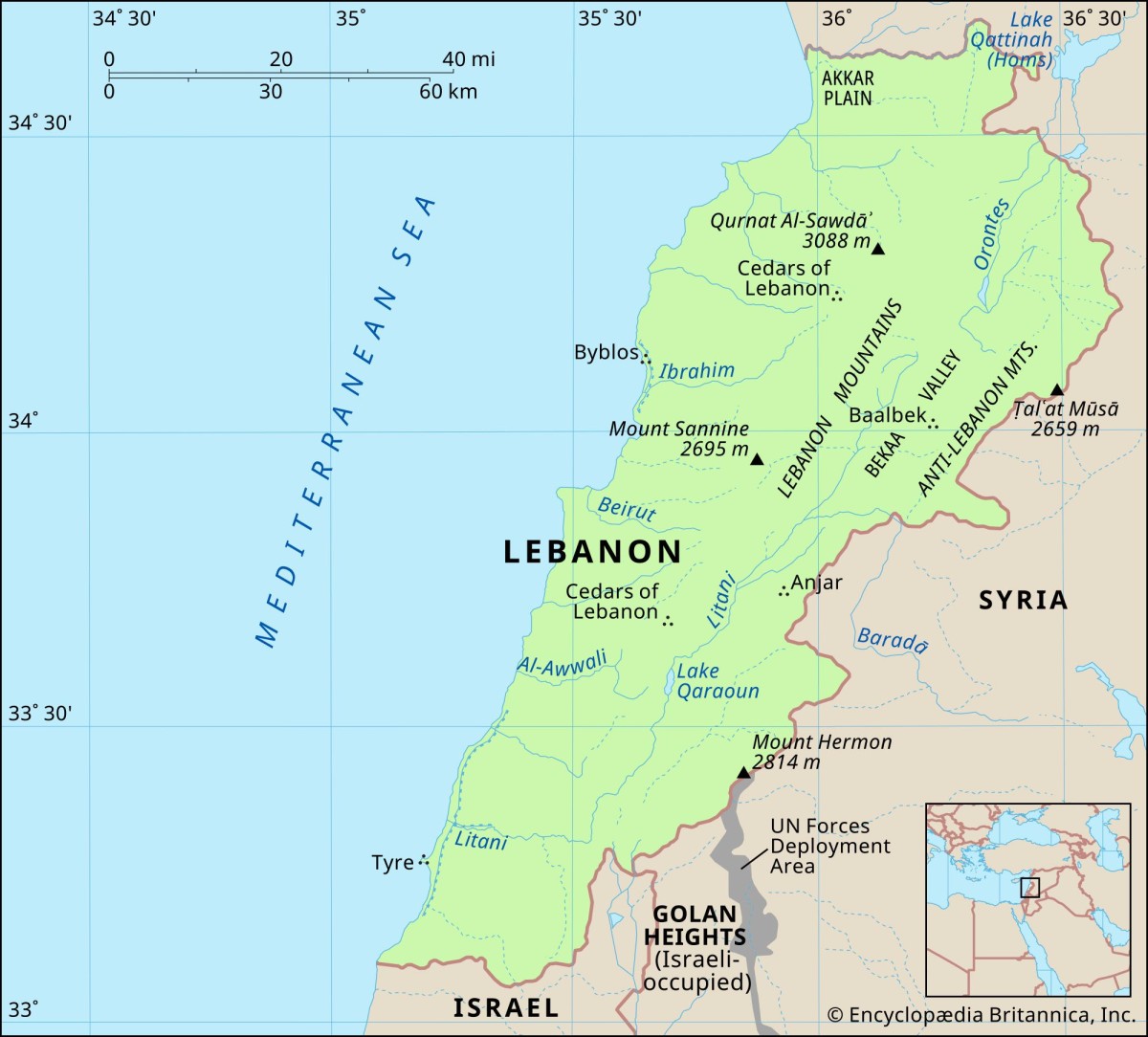
The deadly overnight bombardments follow a day of severe military friction on Friday, during which violence between Israeli forces and Hezbollah fighters flared dramatically across southern Lebanon.
This severe spike in hostilities has effectively served as the first major trial for the durability of the newly finalized United States-Iran memorandum of understanding, which was signed in person by U.S. President Donald Trump just days earlier.
According to official Lebanese state sources, Friday’s combat operations resulted in the deaths of at least 18 civilians, marking it as the deadliest single day of attacks launched by Israel since Washington and Tehran concluded their historic bilateral agreement.
In response to the heavy aerial and artillery bombardments, Hezbollah forces targeted Israeli armored units, with the Israeli military confirming that four of its soldiers were killed during a guided missile attack on a tank operating near the border.
The rapid deterioration of security conditions has forced a sudden freeze on the broader diplomatic track. High-stakes technical talks between Iranian and American negotiators, which were scheduled to commence in Switzerland to work out the complex implementation of the peace roadmap, have been indefinitely postponed.
While the White House officially pointed to unforeseen logistical complications to explain the sudden cancellation of U.S. Vice Vice President JD Vance’s high-profile diplomatic trip to Geneva, international intelligence sources and diplomatic officials confirmed that Tehran unilaterally suspended the talks, stating that it could not engage in technical peace negotiations while its primary regional proxy was actively trading heavy fire with Israeli forces in Lebanon.
The current geopolitical gridlock represents a significant roadblock for the Trump administration’s broader Middle Eastern strategy, which aims to secure a lasting truce to a regional war that has already claimed more than 7,000 lives, destabilized global financial systems, and sent international energy prices into a volatile tailspin.
The underlying memorandum of understanding signed by President Trump and the Iranian leadership mandates an immediate and permanent cessation of military operations across all active fronts, alongside the crucial reopening of the strategic Strait of Hormuz to restore global oil supplies.
However, because neither Israel nor Hezbollah were formal signatories to the bilateral U.S.-Iran document, the enforcement of the truce in southern Lebanon remains heavily compromised.
While President Trump recently noted that he had personally communicated with Israeli leadership to request their compliance with a local ceasefire, describing a potential truce as an added victory for his administration, Israeli Prime Minister Benjamin Netanyahu and defense chiefs have publicly reiterated their stance that they will not tolerate ongoing security threats along their northern border and will continue to exact a heavy price from militant infrastructures.
As families across Lebanon and northern Israel brace for further military exchanges, international observers warn that if the regional ceasefire cannot be stabilized within the coming days, the wider diplomatic pact between Washington and Tehran could fall apart entirely.
The Iranian foreign ministry has maintained that a total cessation of hostilities in Lebanon is an uncompromisable prerequisite for any technical discussions regarding its nuclear stockpiles, missile caps, or the long-term relaxation of American economic sanctions.
With the June deadline for the implementation of the broader peace framework ticking away, the international community remains on high alert, watching whether backroom mediation efforts by regional actors can successfully salvage the cross-border truce or if the region will slide back into an unrestricted multi-front war.