- Ayatollah Mojtaba Khamenei, who succeeded his late father following a joint U.S.-Israeli strike, has issued his first official directive, maintaining a blockade on the world’s most critical oil transit point.
- The Supreme Leader has demanded the immediate shutdown of all United States military bases across the Middle East, labeling them legitimate targets for the Islamic Revolutionary Guard Corps (IRGC).
- Global energy markets are in a state of shock as Brent crude prices surged past $100 per barrel, with the International Energy Agency calling the blockade the largest oil market disruption in history.
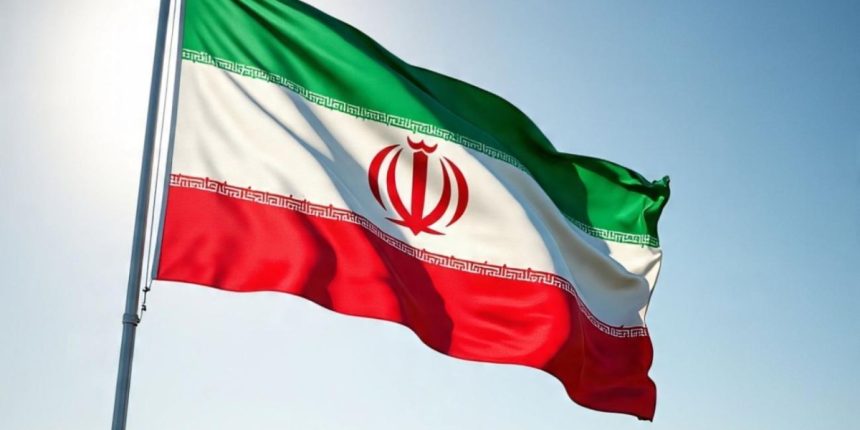
The Middle East has entered a dangerous new chapter as Iran’s newly appointed Supreme Leader, Ayatollah Mojtaba Khamenei, signaled a hardline escalation in his first official address on Thursday, March 12, 2026.
Eko Hot Blog reports that in a broadcast aired by state-run Press TV, the leader vowed to use the closure of the Strait of Hormuz as a strategic “tool of pressure” until all foreign military presence is purged from the region.
EDITOR’S PICK
- 540 Candidates Cleared as Lagos APC Moves to Elect LGA Executives
- Court Sentences Pastor to Death for Killing UniUyo Student
- Lagos Teacher Questions Lack of Recognition for One-Day Governor Mentors
This move follows the recent assassination of his father, Ali Khamenei, an event that has fundamentally reshaped the geopolitical landscape and pushed the region toward the brink of total war.
Mojtaba’s directive included a stern ultimatum to Iran’s neighbors, demanding they expel U.S. forces or face the consequences of hosting “aggressors.”
He warned that any regional base used to facilitate strikes against Iranian soil would be treated as an enemy facility.
Furthermore, the Supreme Leader demanded financial reparations for war victims, specifically referencing a recent deadly strike on a school in Minab.
He warned that if compensation is not met, Iran would move to seize or destroy equivalent Western assets globally.
While the Supreme Leader focused on military and maritime leverage, Iranian President Masoud Pezeshkian offered a three-point diplomatic roadmap following talks with leaders from Russia and Pakistan.
The proposal insists on the formal recognition of Iran’s “undeniable rights,” the payment of full reparations for infrastructure damage caused since the February 28 invasion, and firm international guarantees against future aggression.
However, with tensions at an all-time high, the feasibility of such a roadmap remains deeply uncertain.
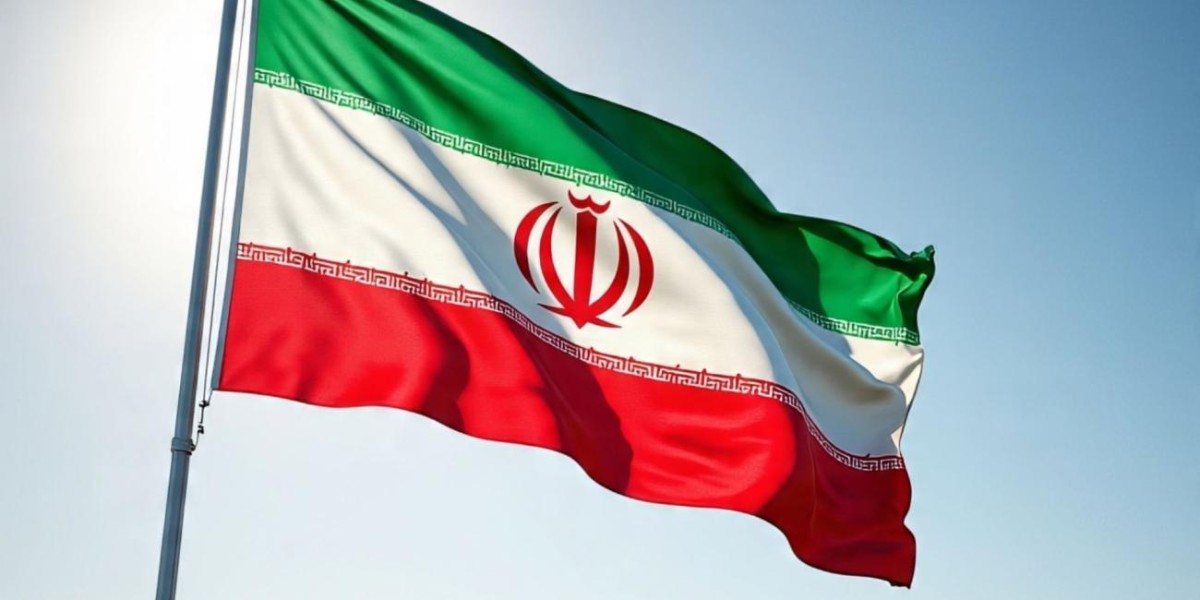
The impact of the ongoing blockade on the Strait of Hormuz is being felt acutely worldwide.
As one of the world’s most vital maritime chokepoints, the closure has throttled global energy supplies, sending oil prices skyrocketing and threatening economic stability in both developing and developed nations.
The IEA has expressed grave concern over the unprecedented nature of this disruption, which far exceeds any previous energy crisis in modern history.
In Washington, the response has remained defiant.
President Donald Trump indicated on Thursday that his administration’s primary focus is on dismantling what he termed Iran’s “evil empire,” suggesting that the U.S is prepared to endure high energy costs to achieve its military objectives.
As both sides dig in, the international community watches with bated breath, fearing that a miscalculation could ignite a global conflict.