- He explained that stronger collaboration with Canada would help Nigeria draw in more investment
- Alake said Nigeria is now eager to deepen ties with Canada, particularly in mineral development
- He noted that these steps are aimed at reducing illegal mining, increasing revenue
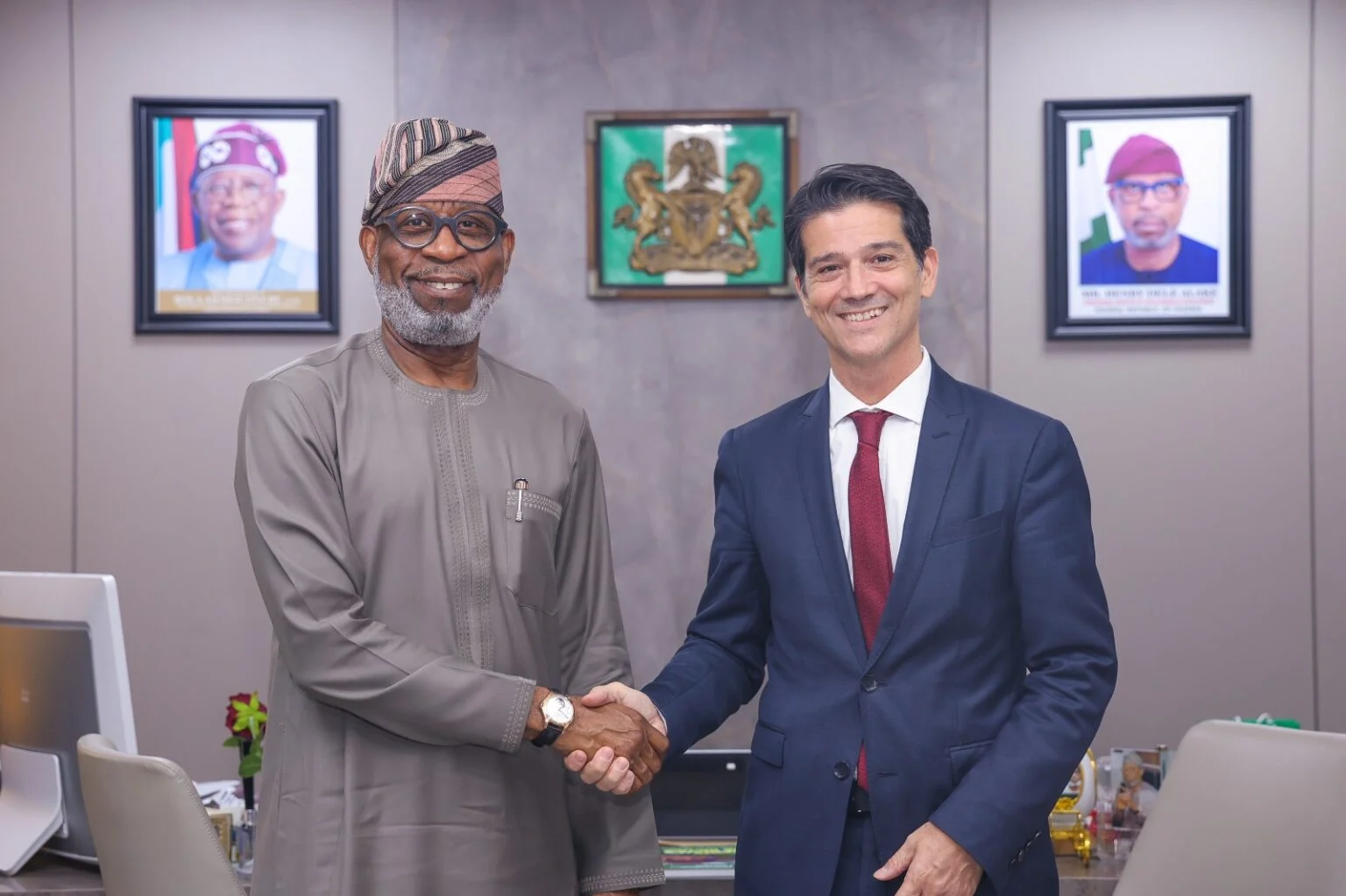
The Federal Government has stepped up moves to transform Nigeria’s mining industry, with the Minister of Solid Minerals Development, Dele Alake, saying the country is prepared to tap into Canada’s cutting-edge technology and global experience to fast-track reforms and unlock the sector’s economic value.
Alake spoke in Abuja on Thursday while hosting the Canadian High Commissioner to Nigeria, Pasquale Salvaggio, according to a statement released by his Special Assistant on Media, Segun Tomori, Eko Hot Blog gathered.
EDITOR’S PICK
- Grand Wedding Reception: Halimot, Saheed Mark Their Union
- Ikosi-Ejinrin LCDA Celebrates Former Chairman, Hon. Segun Adetola, on Birthday
- Sanwo-Olu Flags Off Free Eye Screening for 1,000 Lagos Police Officers
He explained that stronger collaboration with Canada would help Nigeria draw in more investment, adopt international best practices, and achieve sustainable expansion in the mining sector.
The minister also recalled Canada’s support for Nigeria during the pro-democracy movement that followed the annulment of the June 12, 1993, presidential election, describing the country as a dependable ally during that period.
Alake said Nigeria is now eager to deepen ties with Canada, particularly in mineral development, where Canada has built a strong global reputation. He stressed that enhanced cooperation could stimulate growth, improve governance standards, and boost investor confidence.
Reaffirming the government’s reform agenda, the minister said efforts are underway to formalise artisanal mining activities, strengthen regulatory oversight, build local capacity, and encourage technology transfer.
He noted that these steps are aimed at reducing illegal mining, increasing revenue, and making the business environment more secure for investors.
Alake highlighted incentives introduced to attract foreign direct investment, including tax exemptions on imported mining equipment and assurances that investors can fully repatriate profits after meeting statutory obligations such as taxes and royalties. He said these measures are designed to create a stable and competitive investment climate.
In his remarks, Salvaggio thanked Nigeria for recognising Canada’s historic role in its democratic journey and acknowledged the country’s leadership in the global mining industry.
He described Nigeria as a key partner, noting that it is Canada’s second-largest trading partner in Africa and has significant potential for expanded cooperation, particularly in mining.
The envoy commended the creation of the Nigeria Solid Minerals Company, saying it demonstrates Nigeria’s commitment to strengthening governance and building investor trust.
He also pointed to the strong ties between both countries, including the vibrant Nigerian diaspora in Canada, as a foundation for deeper economic engagement.
Salvaggio expressed optimism that Nigeria could emerge as Canada’s top trading partner in Africa within the next decade, citing its entrepreneurial drive and market potential.
He also noted that Nigeria ranks among the largest recipients of Canadian development assistance worldwide, reflecting the depth of the relationship.
He urged the Federal Government to expedite the ratification of the Foreign Investment Promotion and Protection Agreement (FIPA), stating that its approval would enhance investor protection and boost confidence.
The envoy added that Canada is willing to expand capacity-building initiatives, including further training programmes for Nigerian mining professionals and technical exchange partnerships.
Responding, Alake assured that the government is open to reviewing and advancing the agreement, emphasising President Bola Tinubu’s commitment to attracting foreign investment as part of broader economic reforms aimed at job creation and sustainable growth.
Both sides agreed to establish a joint working group to outline priority areas of cooperation in the mining sector and set clear timelines for implementation.
Nigeria has, in recent years, intensified reforms in the solid minerals industry as part of efforts to diversify the economy beyond oil.
Measures introduced by the government focus on curbing illegal mining, improving transparency, and strengthening regulatory institutions to position the country as an attractive destination for global mining investment.
Industry observers believe that closer Nigeria-Canada cooperation could help unlock vast deposits of lithium, gold, rare earth elements, and other strategic minerals essential to the global energy transition.
FURTHER READING