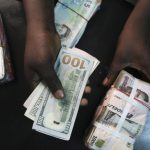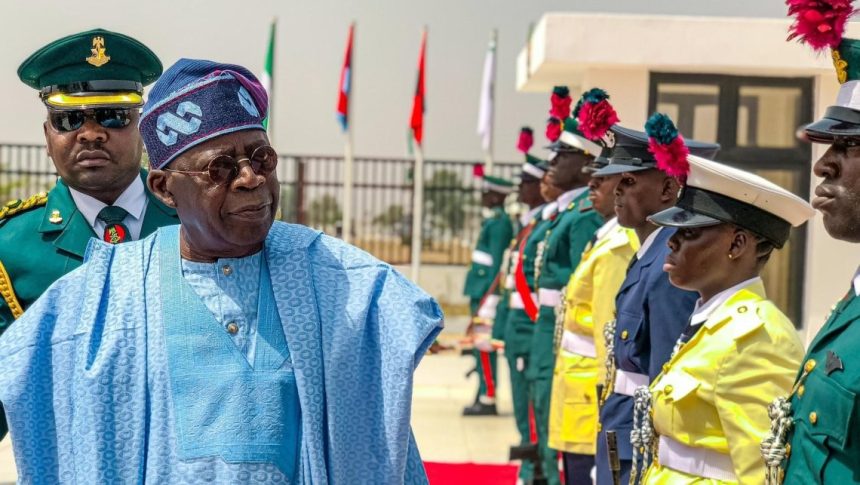
President Bola Tinubu has approved salary increases of between 30 and 80 per cent for the nation’s armed forces, a package that will benefit about 250,000 personnel from September 1.
The increase is steepest for the lowest ranks — Private to Staff Sergeant — who will see an 80 per cent rise, while senior officers from Colonel upward get 30 per cent.
EDITOR’S PICKS
The move pushes the military’s annual wage bill from ₦660 billion to ₦924 billion, and comes weeks after defence minister Christopher Musa spoke publicly about the pressure facing troops on the ground.
From Musa’s Words to Tinubu’s Action
Musa’s comments a few weeks ago now read like a preview of this announcement. He had already disclosed that a soldier’s minimum pay had moved from ₦49,000 to ₦100,000, while admitting the defence budget was still inadequate.
At the same time, he was defending the military’s handling of the Oyo State school abductions, where gunmen threatened to kill the children to pressure the army into releasing detained commanders. That crisis has since ended with the children’s release, but it exposed how directly a soldier’s morale and performance can affect the outcome of a hostage situation.
Seen against that backdrop, Tinubu’s approval is not just a routine pay review. It follows a period when the military’s welfare and competence were both under public scrutiny from claims of poor feeding to the delicate handling of the Oyo rescue.
The timing suggests the presidency is responding to a moment when troop welfare has become impossible to separate from operational success.
Why the Lower Ranks Matter Most
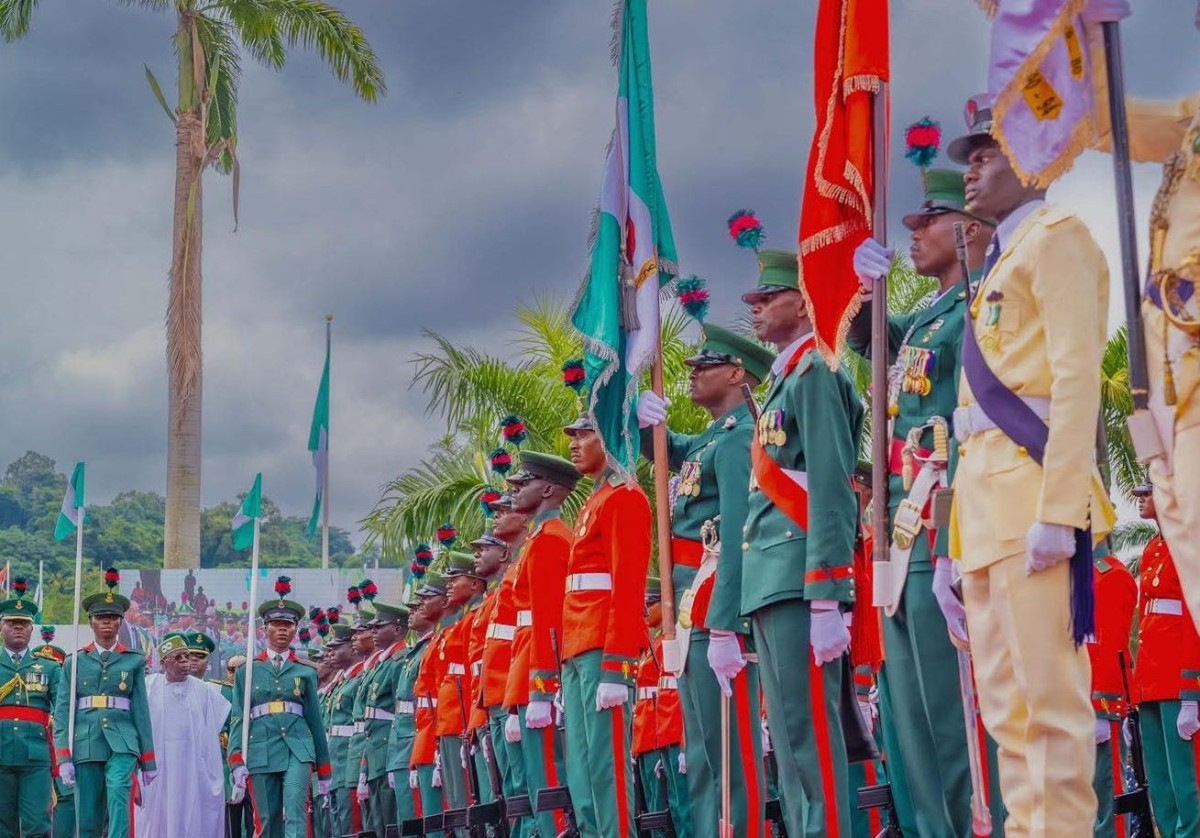
The decision to give the steepest increase — 80 per cent — to the lowest-ranked personnel is significant.
Privates and non-commissioned officers are the ones manning checkpoints, patrolling forests, and going house-to-house during rescue operations like the one in Oyo. They face the most direct danger and, until now, have earned the least. By tilting the increase in their favour, the government is targeting the group most likely to feel underpaid relative to the risks they carry.
This matters for morale in a very practical way. Soldiers at the bottom of the chain often carry out the riskiest tasks with the least recognition. A pay structure that finally reflects that imbalance can reduce resentment in the ranks and, in theory, improve discipline and commitment during operations that require patience and restraint such as securing the safe release of kidnapped children.
Money Alone Will Not Fix Everything
Still, pay is only one part of morale. Musa himself admitted the defence budget remains insufficient, and past complaints about feeding, equipment, and welfare will not disappear simply because salaries have gone up.
Soldiers who feel adequately paid but poorly equipped or poorly fed may still struggle with morale. The success of this increase will depend on whether it comes with consistent funding, better logistics, and visible investment in the tools soldiers need to do dangerous jobs safely.
FURTHER READING
If implemented well, though, the increase could mark a turning point. It tells rank-and-file soldiers that their exposure to danger — the kind seen in Oyo, in the northeast, and in banditry-plagued states — has not gone unnoticed. For an institution whose effectiveness depends heavily on trust between commanders and troops, that recognition may prove just as important as the money itself.
Philip Ibitoye is a Special Correspondent with EKO HOT BLOG. Click here to find daily analysis and critical insight on trending issues in Lagos and other parts of Nigeria.
Click to watch the video of the week below: