- ‘Six In 10 Nigerian Students Involved In Internet Fraud’ – EFCC Boss
- Olukoyede links trend to weak oversight in universities
- Calls for stronger controls and collaboration to curb fraud
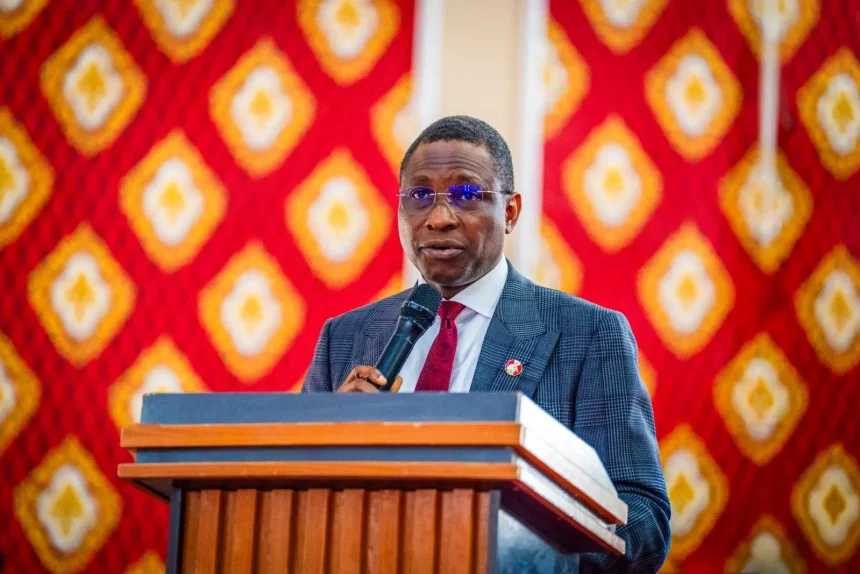
The Chairman of the Economic and Financial Crimes Commission, Ola Olukoyede, has raised concern over the growing involvement of university students in cybercrime, stating that about six in every 10 undergraduates in Nigeria are engaged in internet fraud.
EDITOR’S PICKS
- FA Introduces New Rules To Limit Heading In Football
- President Tinubu Has Not Endorsed Any APC Candidate for 2027 – Jandor
- Police Arrest 2 Over Trafficking of Nigerian Woman to Côte d’Ivoire
EKO HOT BLOG reports that Olukoyede made the disclosure on Tuesday at the opening of the 8th biennial conference of the Committee of Pro-Chancellors of State-Owned Universities in Nigeria, held in Kano.
The conference was themed “Unlocking the potentials of artificial intelligence: University governance, internationalisation and rankings.”
Speaking at the event, the EFCC chairman said findings from recent field operations indicated a troubling level of cybercrime involvement among students.
“My research in the last one year has shown that about six out of 10 students in our universities are into cybercrime. It is a very disturbing situation,” he said.
He attributed the trend to structural challenges within the university system, including weak oversight and poor accountability mechanisms.
Olukoyede also disclosed that many suspects arrested in recent cybercrime operations were students, some of whom allegedly placed lecturers on payroll, thereby compromising academic standards.
He further revealed that a significant number of the 792 suspected cyber fraudsters arrested in Lagos in December 2024 were students, highlighting the scale of cybercrime networks in the country.
The EFCC boss also expressed concern over the rise of “Yahoo Plus,” a form of internet fraud allegedly combined with ritual practices.
He called on university authorities to strengthen institutional controls and collaborate more closely with law enforcement agencies to curb the trend.
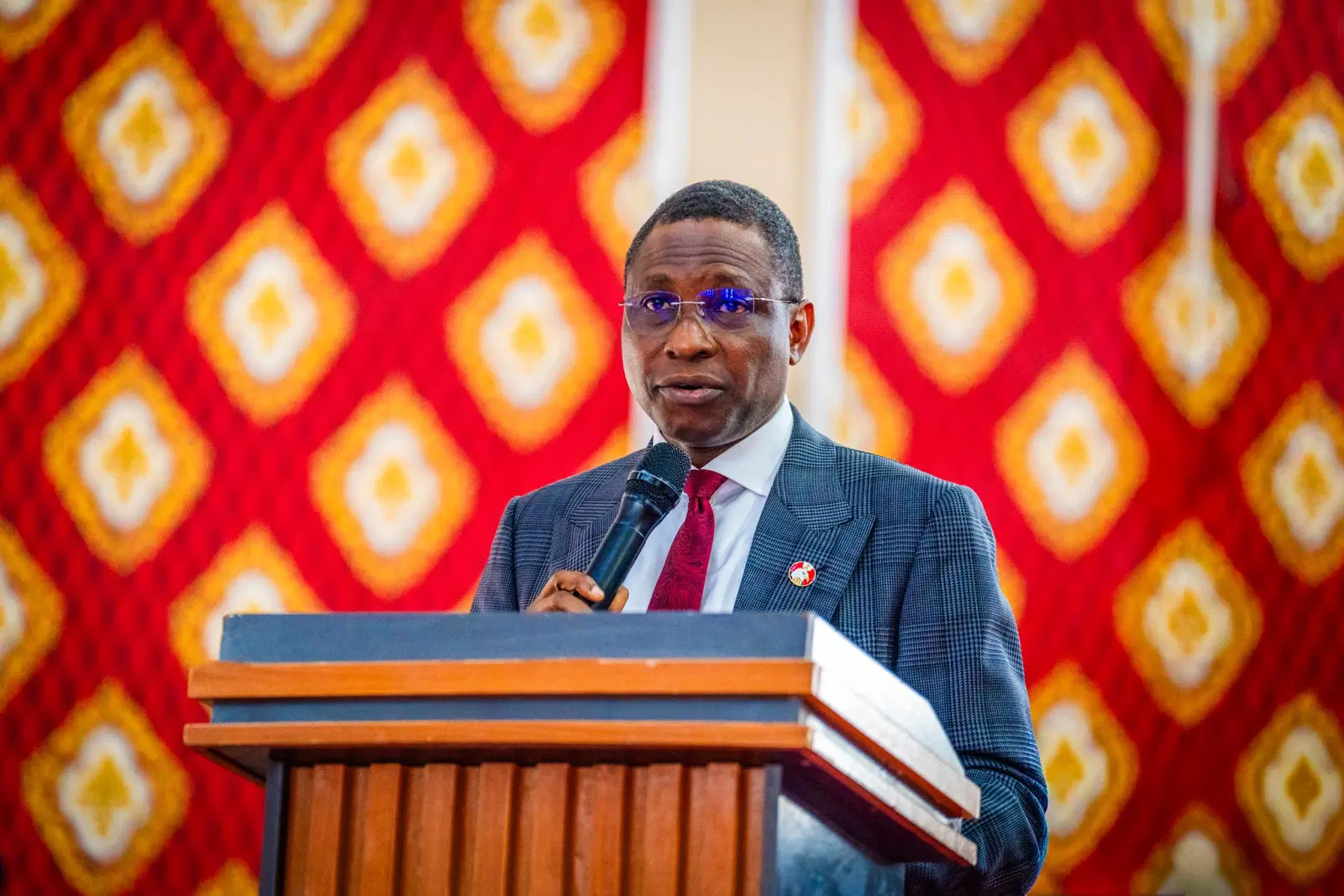
“A university that lacks financial accountability cannot credibly train future professionals. The integrity of our universities is a matter of national security,” he added.
FURTHER READING
- Nigerian Fraudster Admits Role in $50 Million Email Scam Network
- FG Begins Review of Agricultural Curricula to Bridge Skills Gap
- Mother Slumps, Dies While Escorting Daughter To UTME Centre In Ondo