
- Many expressed frustration over the sudden change, citing disrupted plans and uncertainty over rescheduling
- The latest escalation follows renewed hostilities between the US and Israel on one side and Iran on the other
- affected passengers had been asked to return home as airlines suspended operations to the region
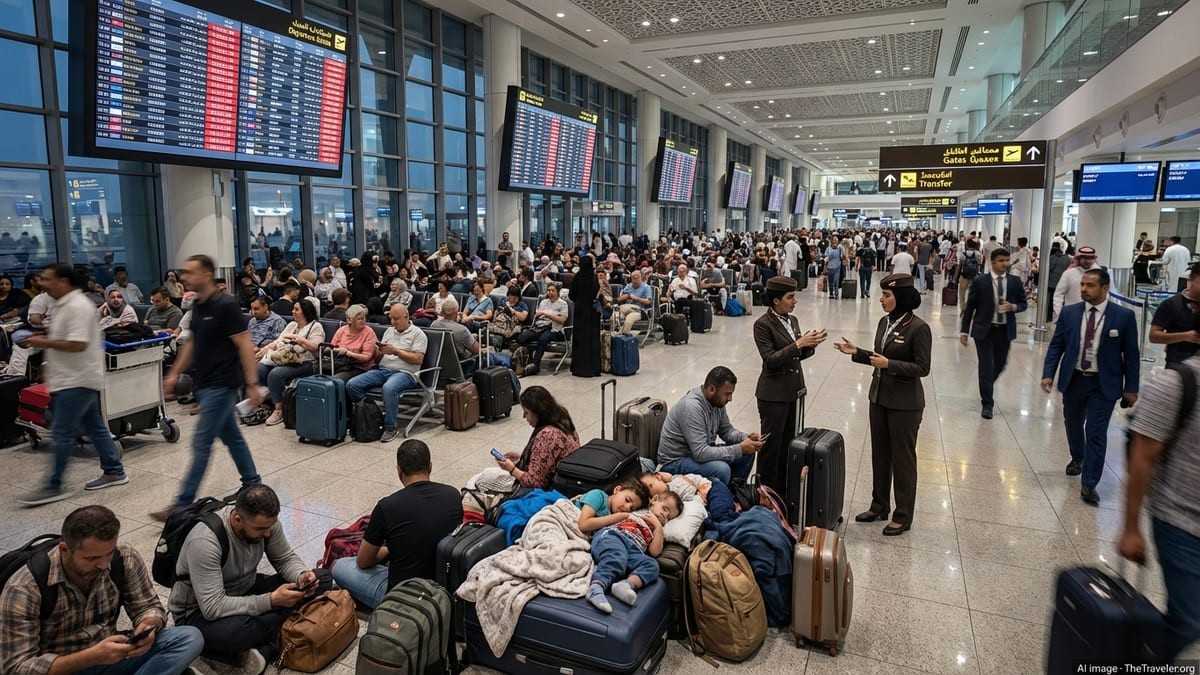
Hundreds of Nigerian travellers heading to or returning from countries in the Middle East, including Qatar, Israel, Iran, Iraq, Syria, Kuwait and the United Arab Emirates, have been left stranded as tensions escalate following military strikes involving the United States, Israel and Iran.
Eko Hot Blog gathered that the disruption comes after coordinated attacks on Iranian targets, which Tehran responded to by firing missiles at US military installations in parts of the Gulf region.
EDITOR’S PICK
- Nigeria Awaits FIFA Verdict On DR Congo Player Eligibility Dispute
- Trump Says Diplomacy Is “Much Easier” Now After Decapitating Strikes on Iran
- Senate Targets 2026 for State Police Amendment
The exchange has prompted several countries to shut portions of their airspace, forcing major international airlines to suspend or cancel flights.
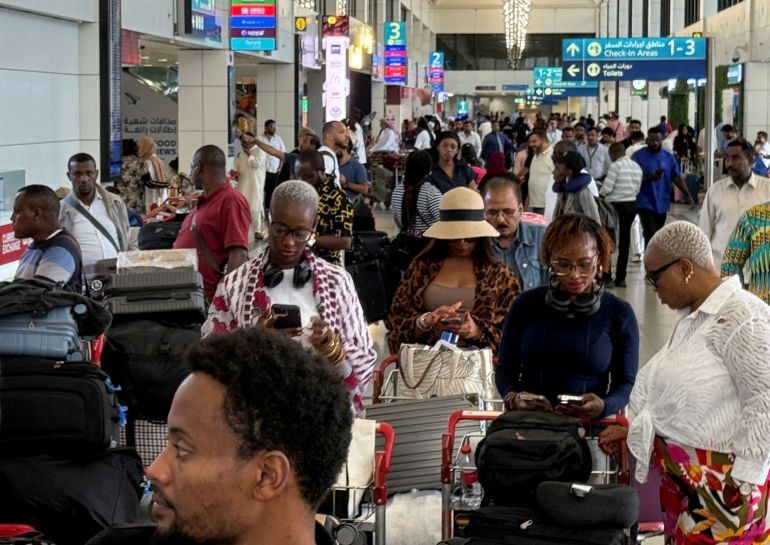
Carriers such as Air France, Air India, Turkish Airlines, Lufthansa, Emirates, Qatar Airways, Air Algerie and Norwegian announced widespread cancellations as security concerns mounted. Flights across parts of the Middle East were significantly affected on Saturday as aviation authorities restricted access to their airspace.
Passengers scheduled to travel via Qatar Airways from Nigeria reported being prevented from departing after authorities in Doha closed the airspace. Some travellers said they were already seated on the aircraft before being asked to disembark. Many expressed frustration over the sudden change, citing disrupted plans and uncertainty over rescheduling.
Qatar Airways later confirmed it had temporarily halted flights to and from Doha, stating that passenger and crew safety remained its top priority. Air India also suspended all services to Middle Eastern destinations, citing the evolving security situation.
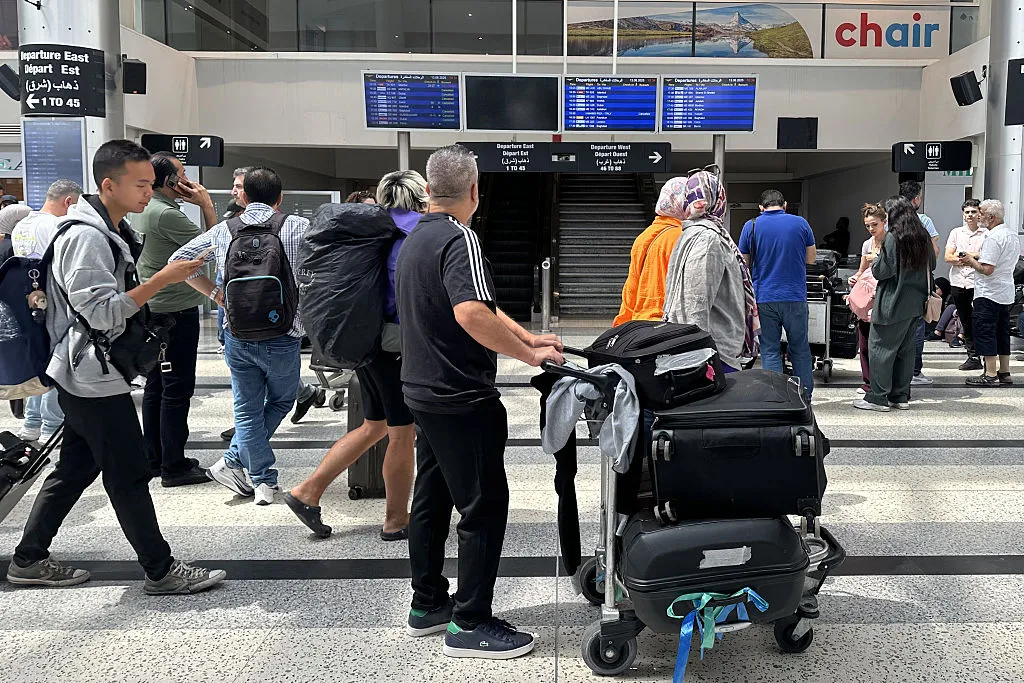
Jordan was reported to have increased aerial patrols, while Kuwait shut its airspace and indicated that its military had intercepted incoming missiles. Syria restricted flights over parts of its southern territory, and Russia’s aviation authority cancelled commercial flights to Israel and Iran until further notice.
Industry stakeholders in Nigeria acknowledged the impact of the closures. The Chairman of the International Airlines Operators Committee, Damilola Ogunyeye, said airlines were acting cautiously, stressing that safety considerations leave no room for risk in aviation.
Similarly, the President of the National Association of Nigeria Travel Agents, Yinka Folami, confirmed that affected passengers had been asked to return home as airlines suspended operations to the region.
The Federal Airports Authority of Nigeria also warned that the crisis was affecting international flight schedules. The agency advised travellers to stay in contact with their airlines for updates on flight status, rebooking arrangements and further guidance. FAAN said it was working with global aviation bodies to monitor developments.
The latest escalation follows renewed hostilities between the US and Israel on one side and Iran on the other, with missile exchanges reported across several locations. Casualty figures and the extent of damage remain unclear.
In response, Nigeria’s Ministry of Foreign Affairs urged citizens living in Iran and neighbouring Gulf states to exercise caution. The ministry advised Nigerians to avoid military and government facilities, limit unnecessary movement, steer clear of large gatherings and comply with local security directives.
It added that Nigerian embassies in Tehran and other Gulf capitals had been placed on alert to provide consular assistance where needed.
Meanwhile, speculation intensified after Israeli Prime Minister Benjamin Netanyahu suggested that Iran’s Supreme Leader, Ali Khamenei, may have been killed during the strikes. While Israeli officials claimed several senior Iranian figures were eliminated, Tehran has yet to confirm such reports.
Former Nigerian diplomats warned that a prolonged conflict could have far-reaching global consequences. Ex-ambassadors said the confrontation risks disrupting oil shipments, particularly through the Strait of Hormuz, a key route for global energy supplies. Any blockage or sustained instability in the region could drive up oil prices and unsettle international markets.
While higher crude prices might temporarily boost Nigeria’s revenue as an oil producer, analysts cautioned that prolonged global instability could undermine economic growth and complicate diplomatic relations.
Security experts also called for a reassessment of Nigeria’s foreign policy posture, arguing that shifting global alliances require a more strategic, interest-driven approach.
As the situation unfolds, airlines and governments continue to monitor developments closely, with travellers across the region facing uncertainty over when normal flight operations will resume.
FURTHER READING