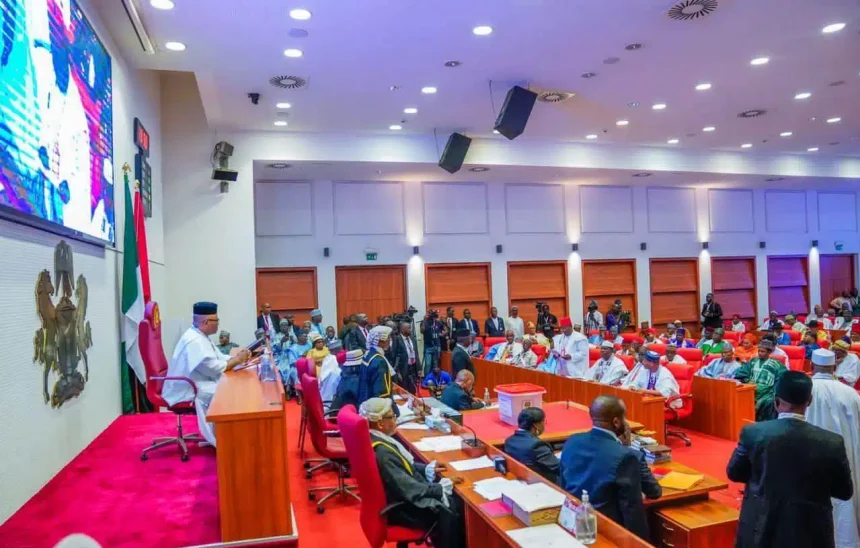
- Adaramodu said the Senate is prepared to fast-track the process, noting that groundwork had already been completed
- He assured Nigerians that the amendment would be finalised before political campaigns begin ahead of the next general election
- According to him, extensive consultations have taken place nationwide, including meetings across geopolitical zones
The Senate has pledged to conclude amendments to the 1999 Constitution that would pave the way for the establishment of state police before the end of 2026.
Eko Hot Blog gathered that enate spokesperson Yemi Adaramodu disclosed this in an interview on Friday, stating that lawmakers would resume work on the constitutional review as soon as plenary sessions restart next week.
EDITOR’S PICK
- Nigeria Awaits FIFA Verdict On DR Congo Player Eligibility Dispute
- Trump Says Diplomacy Is “Much Easier” Now After Decapitating Strikes on Iran
- Senate Targets 2026 for State Police Amendment
The move follows a formal request by President Bola Tinubu to the National Assembly to begin altering the constitution to accommodate state-controlled policing as part of broader efforts to address rising insecurity.
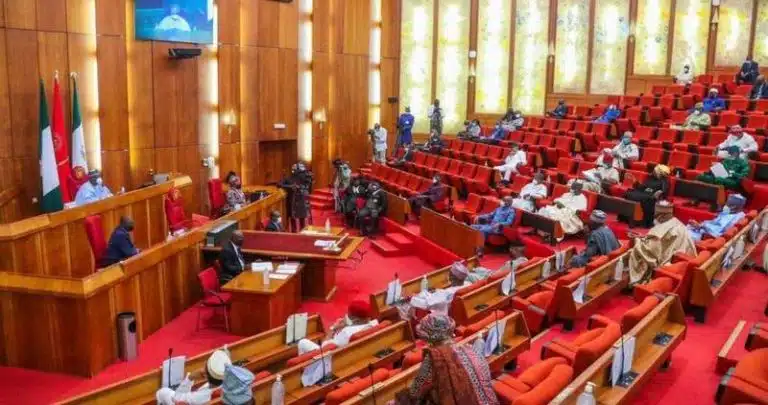
Speaking during an interfaith Iftar at the Presidential Villa in Abuja, the President urged senators to consider the best approach for incorporating state police into the legal framework to improve security, reclaim forests from criminal elements, and protect citizens.
Tinubu also appealed to members of the House of Representatives to ensure that any amendment creating state police includes safeguards to prevent misuse by state governors. He emphasised that the system must be designed with effective checks and balances to avoid potential abuse.
Adaramodu said the Senate is prepared to fast-track the process, noting that groundwork had already been completed before attention shifted to electoral reforms. He assured Nigerians that the amendment would be finalised before political campaigns begin ahead of the next general election.
According to him, extensive consultations have taken place nationwide, including meetings across geopolitical zones and engagements with relevant stakeholders. Reports from these interactions have already been compiled by the constitution review committee.
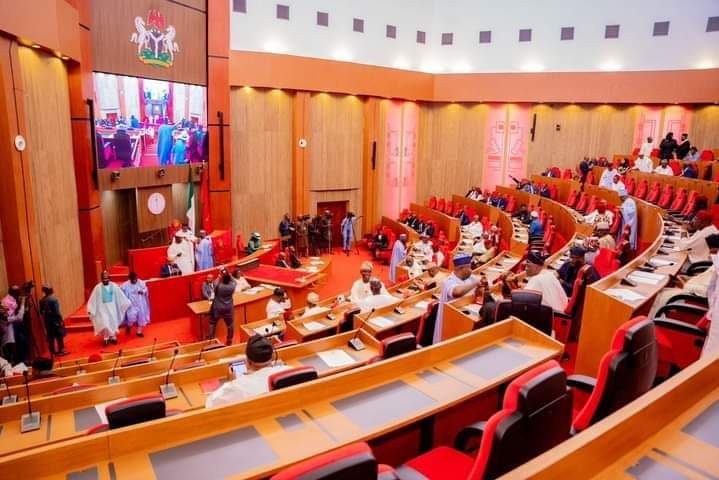
He explained that the review was temporarily paused to prioritise the passage of the Electoral Act amendment and consider the 2026 Appropriation Bill, but lawmakers are now set to refocus on the constitutional changes.
Adaramodu described state police as a proposal that has gained significant support from the President, governors, and members of the National Assembly.
Meanwhile, the Miyetti Allah Cattle Breeders Association of Nigeria and the Pan-Yoruba socio-political organisation, Afenifere, have called for strict legal safeguards to prevent governors from abusing the powers of state police once established.
MACBAN President Baba Ngelzarma acknowledged that decentralised policing could help address the shortage of security personnel and improve responses to crime.
However, he warned that recruitment into state police formations must reflect ethnic and religious diversity within each state to avoid marginalisation or dominance by any group. He also cautioned that without firm constitutional controls, politicians could deploy state police against rivals.
To prevent such scenarios, Ngelzarma recommended federal oversight of state police operations, constitutional penalties for misuse, and a supervisory mechanism under the National Assembly.
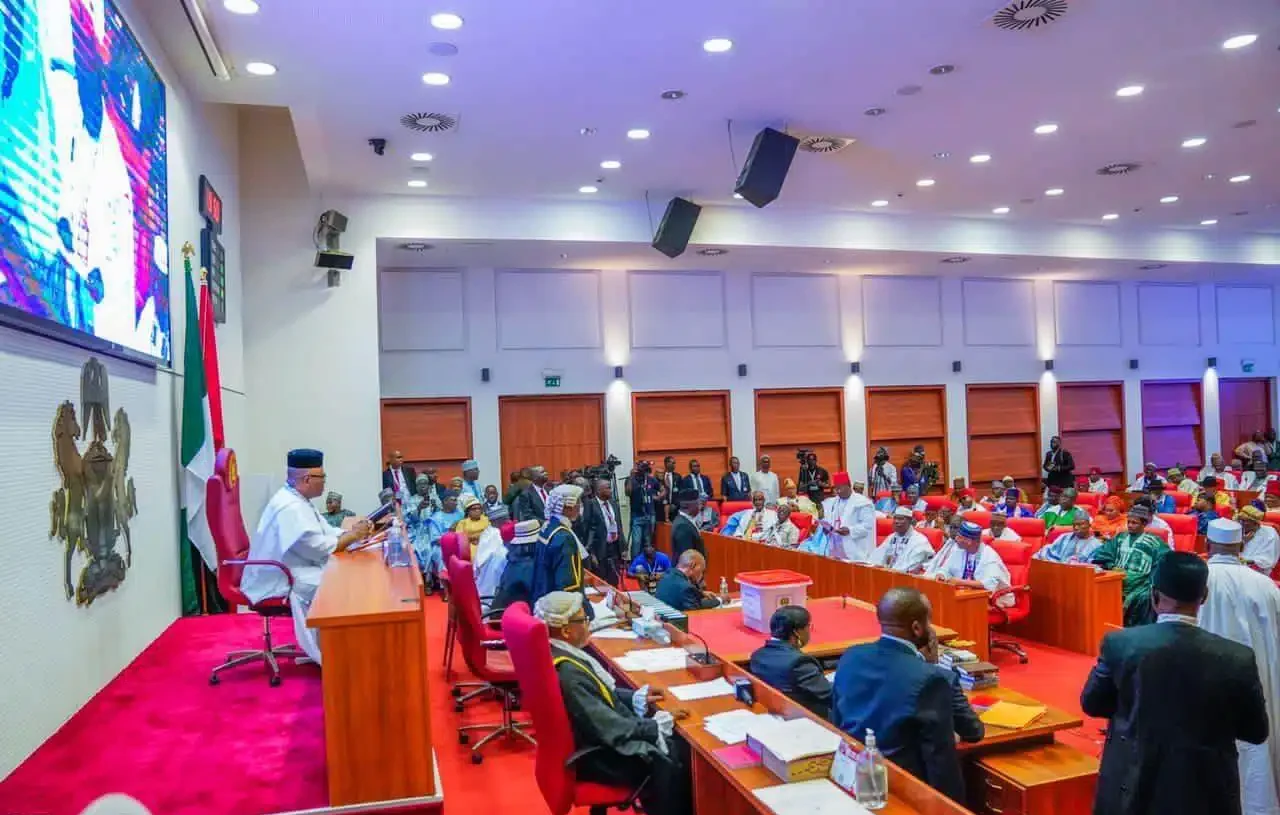
Similarly, Afenifere’s National Publicity Secretary, Jare Ajayi, supported the creation of state police, arguing that many security challenges are local in nature and require community-based responses.
Nonetheless, he stressed that the amendment must limit governors’ powers and provide citizens with legal avenues to challenge any abuse in court.
An All Progressives Congress chieftain, Ayodele Arise, also backed the proposal and called for greater public education on its implications.
Speaking on television, he suggested that amending Section 214 of the Constitution to move policing to the Concurrent List would allow both federal and state governments to operate their own police forces.
He expressed confidence that the reform could be achieved within months, given the ruling party’s majority in the National Assembly, while emphasising the importance of oversight mechanisms to prevent political misuse.
FURTHER READING