- These include adjustments for higher-grade workers, prompt payment of the revised wage
- The NLC described the non-compliance as both a violation of the law
- Labour groups have continued to push for a review, proposing a new minimum wage of ₦154,000
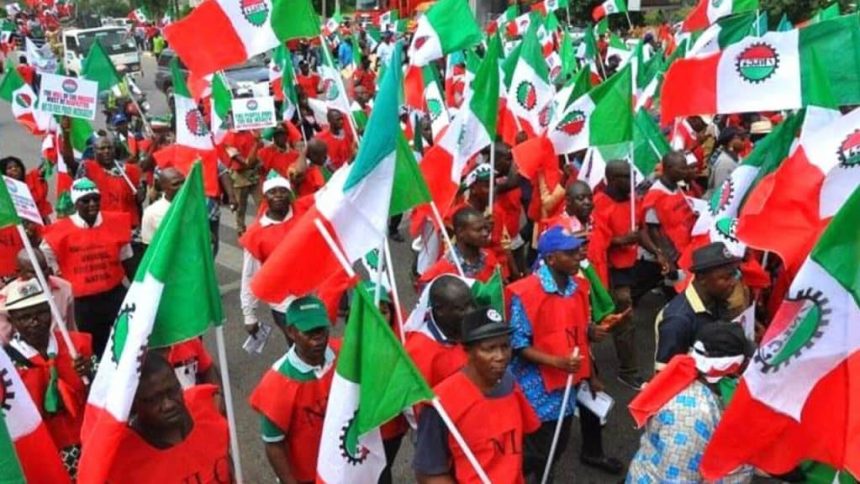
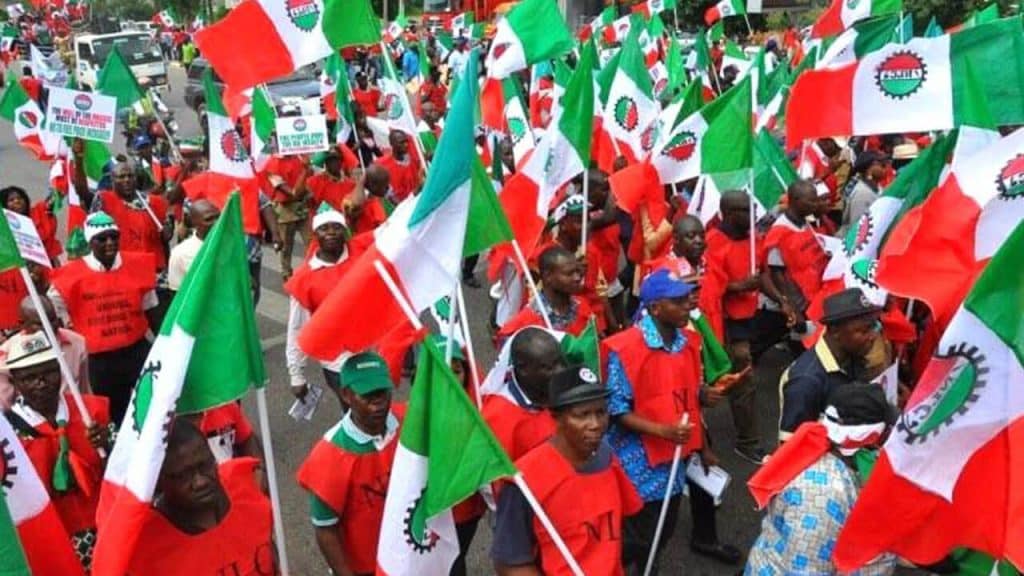
Nigeria Labour Congress (NLC) has instructed workers in states yet to fully implement the 2024 National Minimum Wage Act to mark the 2026 May Day with public demonstrations, cancelling all indoor or government-hosted celebrations.
In a statement issued on Friday by its General Secretary, Emmanuel Ugboaja, Eko Hot Blog reports that the labour union criticised several state governments for failing to comply with key aspects of the law.
EDITOR’S PICK
- G7 Meets in France Amid Middle East Tensions
- Epe in Focus: Tinubu to Announce Lagos APC Consensus Governorship Candidate Monday
- Bisola Badmus Rallies Support for Biola Bayo Following Heated Baba Ijesha Interview Backlash
These include adjustments for higher-grade workers, prompt payment of the revised wage, and extending the new salary structure to local government employees, teachers, and healthcare workers.
The NLC described the non-compliance as both a violation of the law and an affront to workers’ rights and dignity.
President Bola Tinubu had signed the minimum wage bill into law on July 29, 2024, raising the baseline salary from ₦30,000 to ₦70,000. However, implementation has remained inconsistent across several states.
To protest the situation, the union directed its state chapters in affected areas to avoid holding May Day events in government venues or participating in official ceremonies organised in partnership with non-compliant authorities.
Instead, workers are expected to gather at labour houses, union offices, or public spaces from 7:00 a.m. on May 1, 2026, before embarking on peaceful marches across their state capitals.
Each procession is expected to end at key government offices, such as the State Government House, State Assembly, or the Head of Service’s office, where workers will present their demands.
The union emphasised that the minimum wage law was achieved through sustained struggle and warned against celebrating in comfort while workers’ rights remain unmet.
Meanwhile, dissatisfaction with the ₦70,000 wage persists, as many workers argue that rising inflation and living costs have significantly reduced its value.
Labour groups have continued to push for a review, proposing a new minimum wage of ₦154,000 to reflect current economic realities.
FURTHER READING