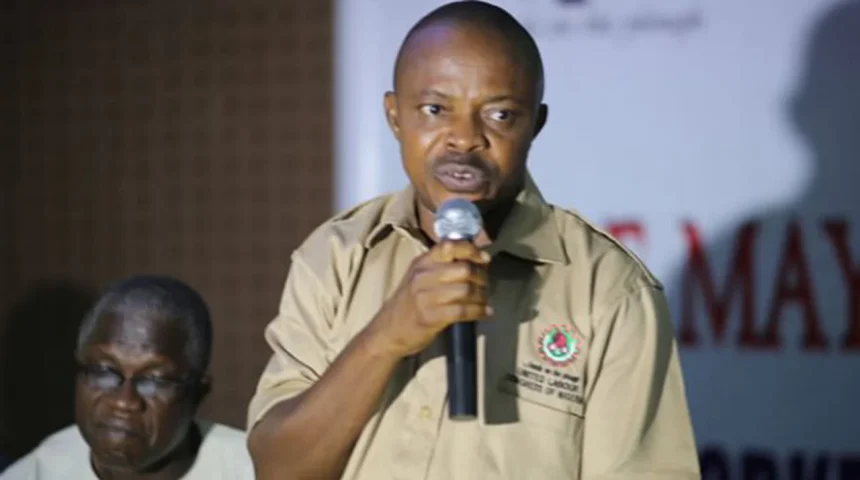
- NLC President Joe Ajaero said organised labour would oppose any further tariff increases or policies that deepen hardship
- He argued that instead of progress, the country has experienced persistent blackouts and frequent grid failures
- Ajaero said consumers classified under Band A pay higher rates but still endure unreliable supply
The Nigeria Labour Congress (NLC) has warned that it may embark on a nationwide strike over repeated collapses of the national electricity grid, accusing the power sector of failing Nigerians more than a decade after it was privatised.
Eko Hot Blog gathered that the labour body also criticised the classification of consumers into Bands A, B and C, describing the system as a structured form of exploitation.
Speaking at the annual women and youth conference of the National Union of Electricity Employees in Abuja, NLC President Joe Ajaero said organised labour would oppose any further tariff increases or policies that deepen hardship without delivering improved power supply.
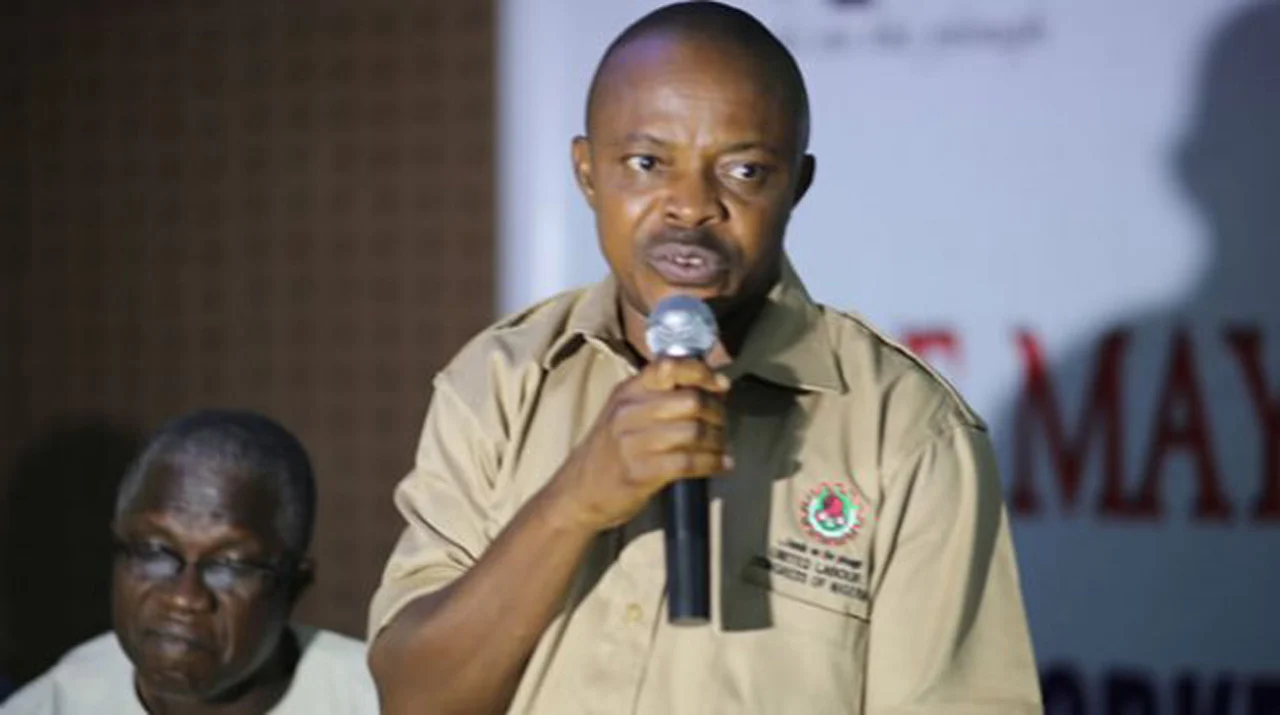
He described the warning as a final notice to both regulators and operators in the sector.
Ajaero noted that over 10 years after the unbundling and sale of successor companies from the Power Holding Company of Nigeria, electricity generation has remained around 4,000 to 5,000 megawatts, roughly the same output recorded before privatisation, despite population growth and rising industrial needs.
He argued that instead of progress, the country has experienced persistent blackouts and frequent grid failures. According to him, distribution companies often reject allocated loads from the Transmission Company of Nigeria, worsening supply challenges.
The NLC president described the privatisation process as flawed, alleging that many investors relied heavily on bank loans to acquire generation and distribution assets.
He claimed this approach strained the financial system and shifted the burden onto consumers through higher tariffs.
On the banding structure, Ajaero said consumers classified under Band A pay higher rates but still endure unreliable supply.
He maintained that electricity should be treated as an essential public service rather than a profit-driven commodity that disadvantages low-income households.
He also questioned reported plans to provide financial support to generation companies, arguing that public funds should not be used to rescue private operators who have not met expectations.
Ajaero called for a comprehensive review of the power sector and proposed a national summit involving labour unions, manufacturers and energy experts to chart a new path focused on stable and affordable electricity.
He urged the government to consider returning the sector to a model driven largely by public investment, insisting that the current framework has not delivered the promised improvements.
Nigeria continues to grapple with insufficient power generation and recurring grid breakdowns, even as the Federal Government outlines reform measures aimed at restructuring debts, upgrading infrastructure and adjusting tariffs to reflect market conditions.