- According to him, he won 12 states in the last election despite not having any governor openly supporting his campaign
- The former Labour Party presidential candidate also downplayed the significance of political realignments ahead of the next general election
- The NDC candidate expressed confidence that widespread public dissatisfaction with economic hardship
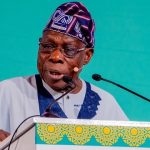
Presidential candidate of the Nigerian Democratic Congress (NDC), Peter Obi, has dismissed suggestions that the growing number of governors aligning with President Bola Tinubu will determine the outcome of the 2027 presidential election.
Speaking during an interview on Nooire TV, Eko Hot Blog gathered that the former Anambra State governor argued that electoral success ultimately depends on the support of the people rather than endorsements from political office holders.
EDITOR’S PICK
- Akpabio Dismisses Reports of Promising APC Tickets to Defeated Senators
- Court Discharges Baba Adinni of Lagos, Upholds No-Case Submission
- “Verify Information Before Spreading It” — Alara Warns on Security
Obi pointed to his performance in the 2023 presidential election as evidence that candidates can achieve significant victories without the backing of state governors.
According to him, he won 12 states in the last election despite not having any governor openly supporting his campaign, adding that the figure could have been higher if not for challenges encountered during the electoral process.
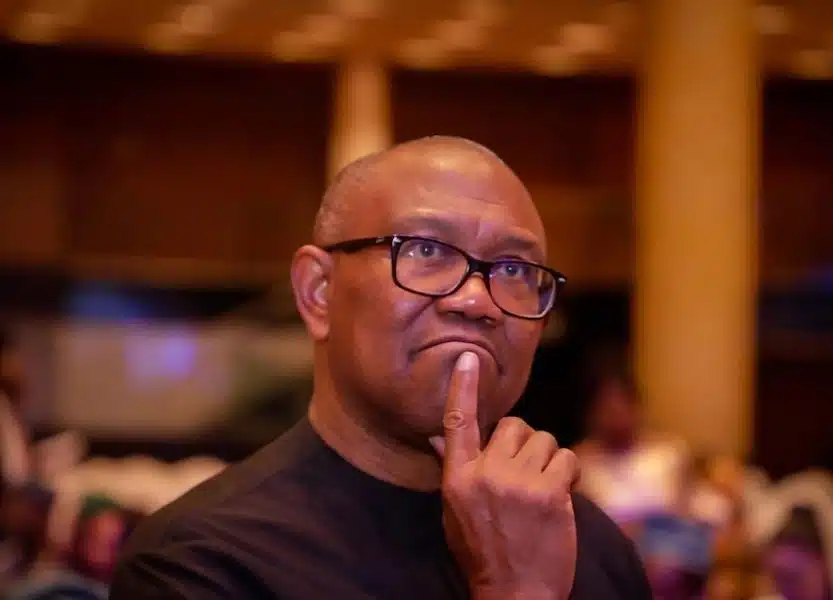
The former Labour Party presidential candidate also downplayed the significance of political realignments ahead of the next general election, insisting that alliances among governors should not be mistaken for public support.
He maintained that the focus of the 2027 election should be on addressing the pressing challenges facing Nigerians rather than political calculations among influential politicians.
Obi stressed that issues such as poverty, food insecurity, access to quality education, and healthcare should dominate national conversations as the country prepares for another election cycle.
He argued that the welfare of citizens should take precedence over considerations of ethnicity, religion, or regional interests, urging leaders to prioritise policies capable of improving living conditions across the country.
The NDC candidate expressed confidence that widespread public dissatisfaction with economic hardship and declining social welfare would play a more decisive role in shaping the outcome of future elections than endorsements from political elites.
He added that Nigerians are more concerned about their daily struggles and expect leaders to provide practical solutions to the country’s challenges.
FURTHER READING