- Putin warned Europe against seizing Russian merchant vessels
- He said Russia could retaliate in other waters
- Moscow also accused the EU of unlawful ship inspections
Russian President Vladimir Putin has warned European countries that Moscow would retaliate if Russian commercial vessels are seized, as tensions rise over European efforts to target ships accused of helping Russia evade sanctions.
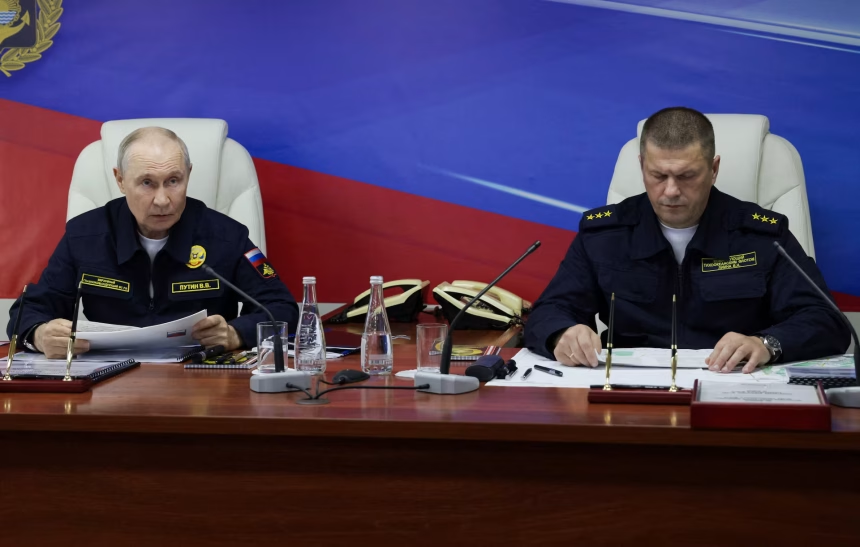
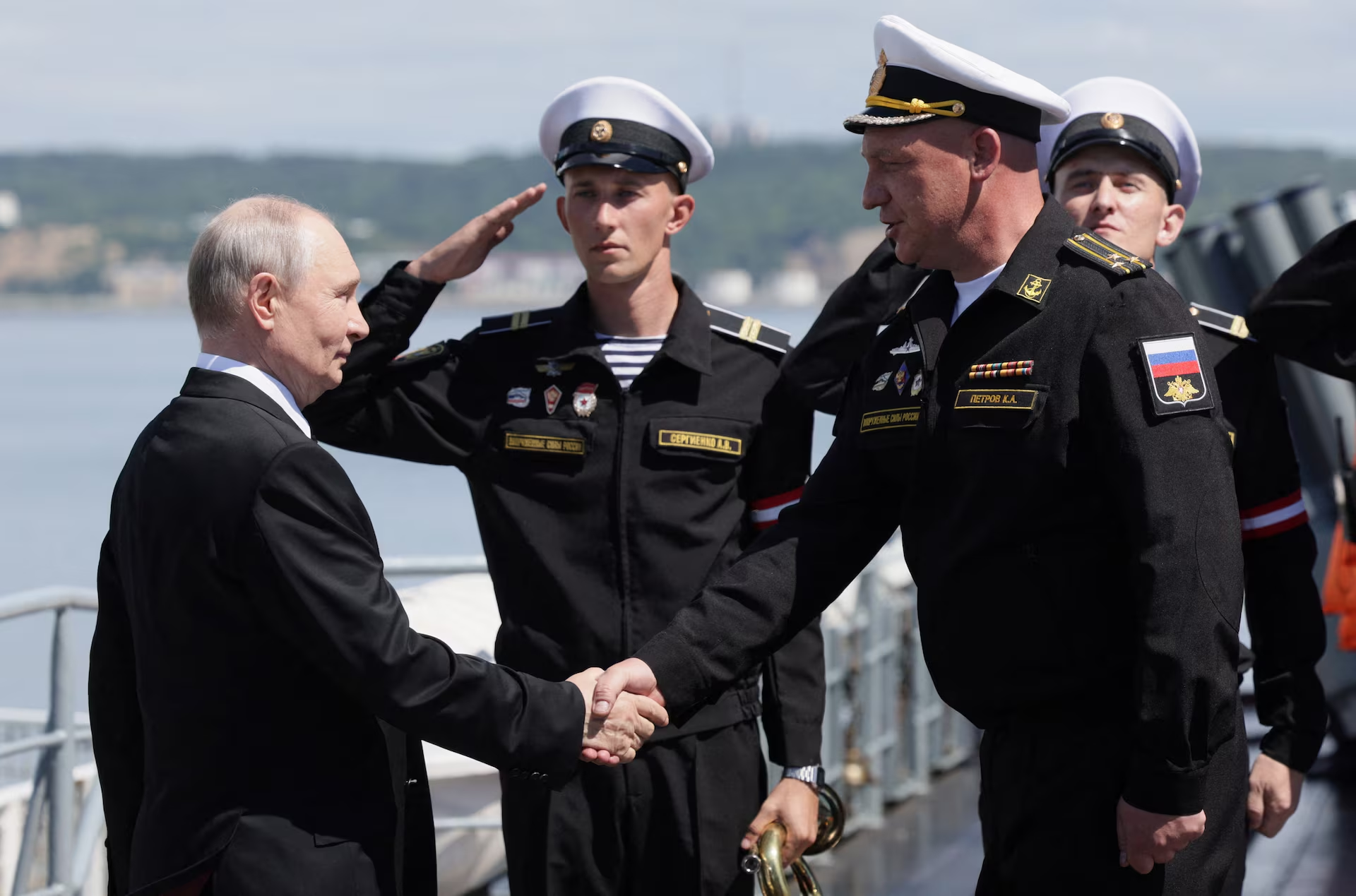
Eko Hot Blog gathered that Putin issued the warning on Wednesday while observing naval exercises in Russia’s far eastern Sakhalin region. He said Moscow regarded attempts by some European governments to restrict or seize Russian vessels as violations of international maritime law.
EDITOR’S PICK
- How Lagos Achieved 57.4% Exclusive Breastfeeding Rate
- Shaibu Lists Nigeria’s Biggest Security Challenges
- Vote, Protect Your Mandate, Governor Adeleke Urges Residents Ahead of August 15 Polls.
According to Putin, some countries were considering taking control of Russian ships and disposing of their cargo or property. He described such actions as piracy and said Russia would respond if the measures were implemented.
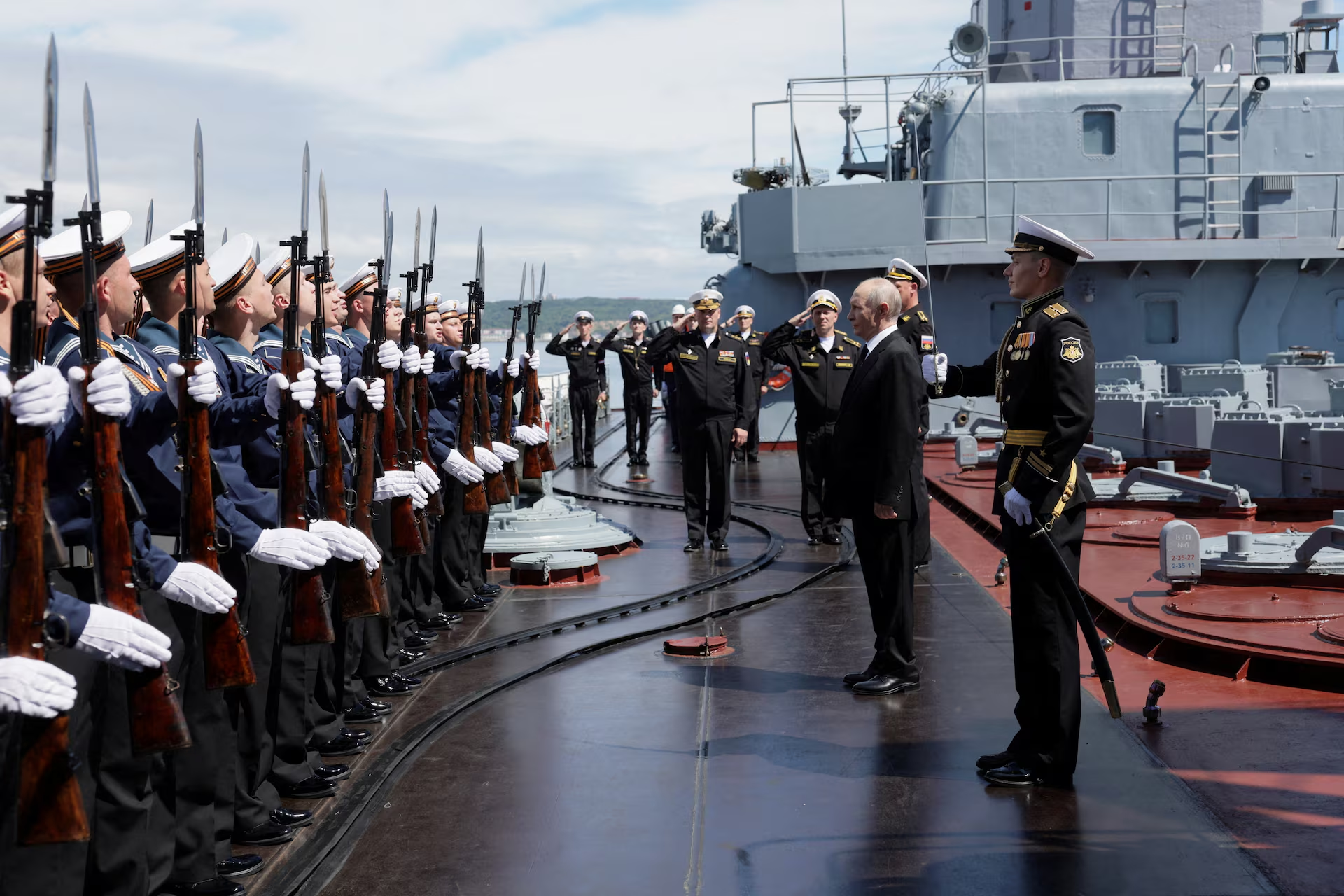
“We shall be forced to respond in kind,” Putin said, adding that Russia’s response would not necessarily take place in the same waters where Russian vessels were targeted.
He said Moscow would determine where and how to respond based on what it considered necessary.
The warning came as the European Union steps up efforts against Russia’s so-called shadow fleet, a network of vessels accused of helping Moscow transport oil and other goods while avoiding Western sanctions.
The EU has expanded sanctions against hundreds of ships, while some European governments are considering stronger measures against vessels suspected of circumventing restrictions.
During the naval exercise, Pacific Fleet Commander Viktor Liina told Putin that Russia was prepared to take action against vessels belonging to countries Moscow considers unfriendly.
Liina said Western countries, including Britain and France, also used ships registered under foreign flags to transport goods and argued that such vessels could similarly be described as part of a “shadow fleet.”
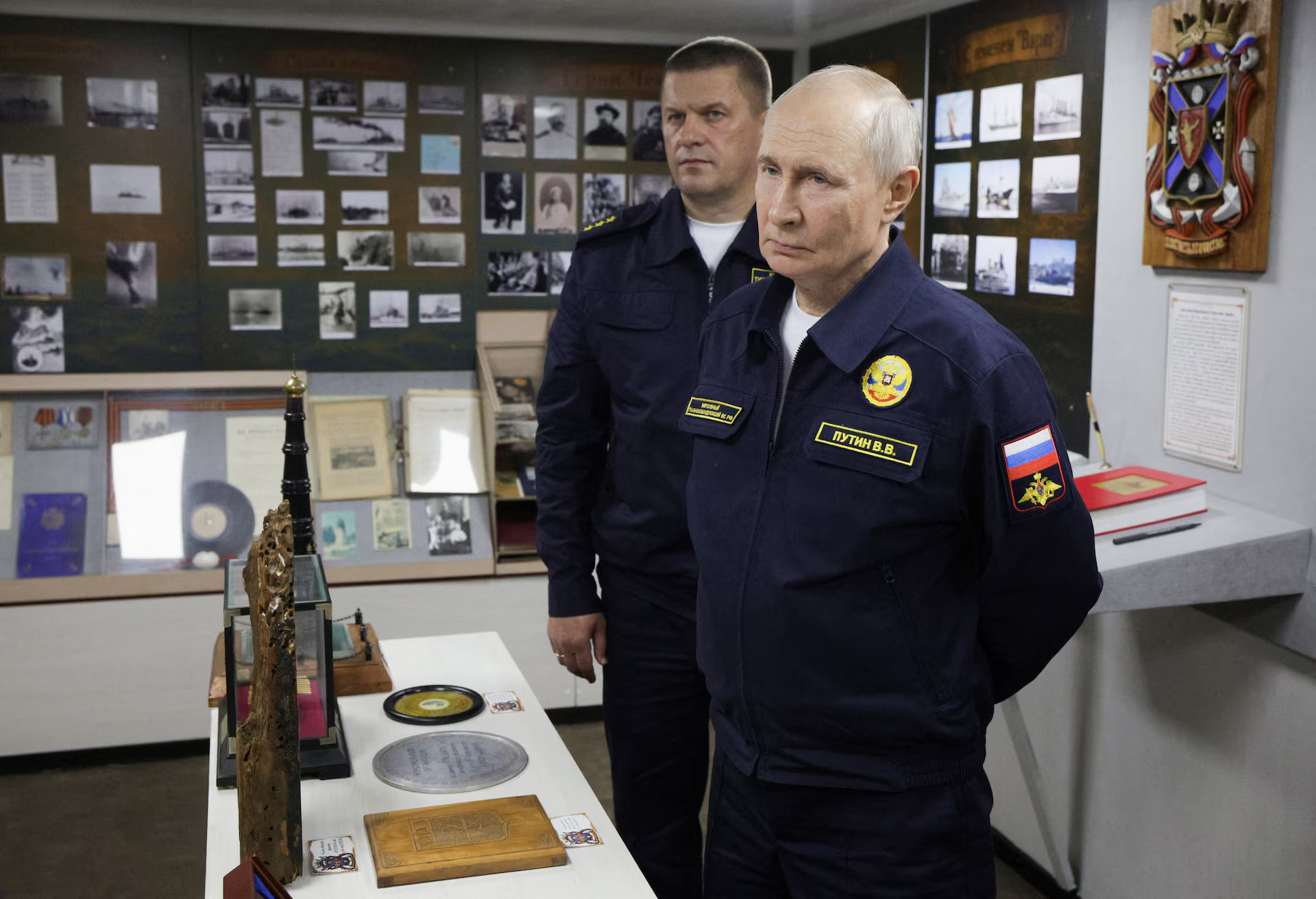
He said Russia had the capacity to inspect and detain vessels linked to hostile countries and had established coordination between relevant agencies to carry out such operations.
According to the Pacific Fleet commander, Russian authorities had studied maritime traffic across the Asia-Pacific region and had information on the routes, cargoes and ownership of vessels connected to countries considered unfriendly by Moscow.
The Russian Foreign Ministry also criticised European maritime operations in the Mediterranean, accusing the European Union of conducting unlawful inspections of commercial vessels.
The ministry specifically targeted EUNAVFOR MED Irini, an EU naval operation originally established to help enforce a United Nations arms embargo on Libya.
Moscow said the operation had recently been involved in the boarding and inspection of a tanker linked to Russia’s shadow fleet. It described the incident as the second such operation in less than two weeks as European authorities intensify efforts to monitor vessels suspected of helping Russia bypass oil sanctions.
The Foreign Ministry accused the EU of using the naval mission to intimidate shipping companies and restrict freedom of navigation.
It argued that the bloc was exceeding the authority granted to the operation under international law.
The escalating dispute comes amid broader tensions between Russia and European countries over sanctions, maritime trade and Moscow’s efforts to maintain access to international shipping routes.
Putin’s latest warning, combined with the Pacific Fleet’s statement that it is prepared to inspect and detain foreign vessels, raises the possibility of increased confrontation at sea if European countries expand their enforcement actions against Russian-linked shipping.
FURTHER READING