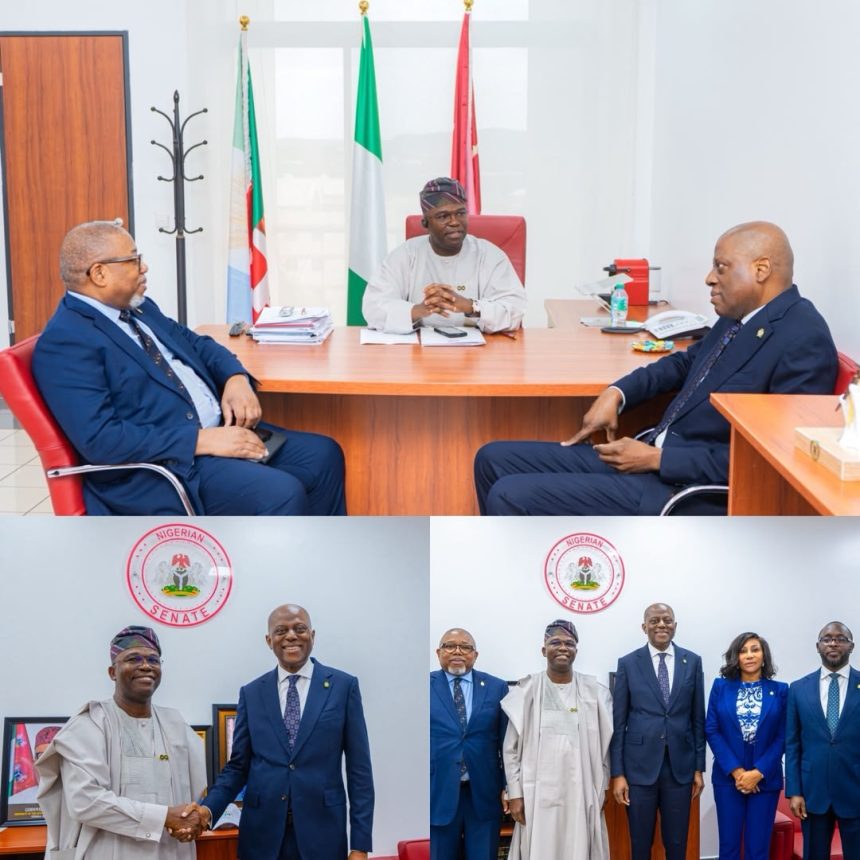
- Senator Adetokunbo Abiru chaired the Senate Committee’s first statutory engagement for 2026 with the CBN Governor and his management team.
- Discussions focused on inflation, foreign exchange stability, banking sector recapitalisation, regulatory reforms, private sector credit, and the CBN’s 2025 Audited Financial Statements.
- The committee reaffirmed its commitment to legislative oversight that promotes transparency, accountability, financial sector resilience, and sustainable economic development.
The Chairman of the Senate Committee on Banking, Insurance and Other Financial Institutions, Senator Mukhail Adetokunbo Abiru, on Tuesday presided over the committee’s first statutory engagement for 2026 with the Governor of the Central Bank of Nigeria (CBN), Dr. Olayemi Cardoso, and members of the apex bank’s management team.
EDITOR’S PICK
- Why Africa Still Cannot Win the FIFA World Cup Despite Its World Class Talent
- Man Allegedly Slits Father’s Throat, Mutilates Body in Anambra
- Lagos Court Convicts Director, Company Over N822.4m Fraudulent Conversion
Eko Hot Blog reports that the high-level meeting focused on critical developments within Nigeria’s monetary and financial system, with discussions centred on inflation, foreign exchange stability, banking sector recapitalisation, private sector credit, regulatory reforms, and the Central Bank’s 2025 Audited Financial Statements.
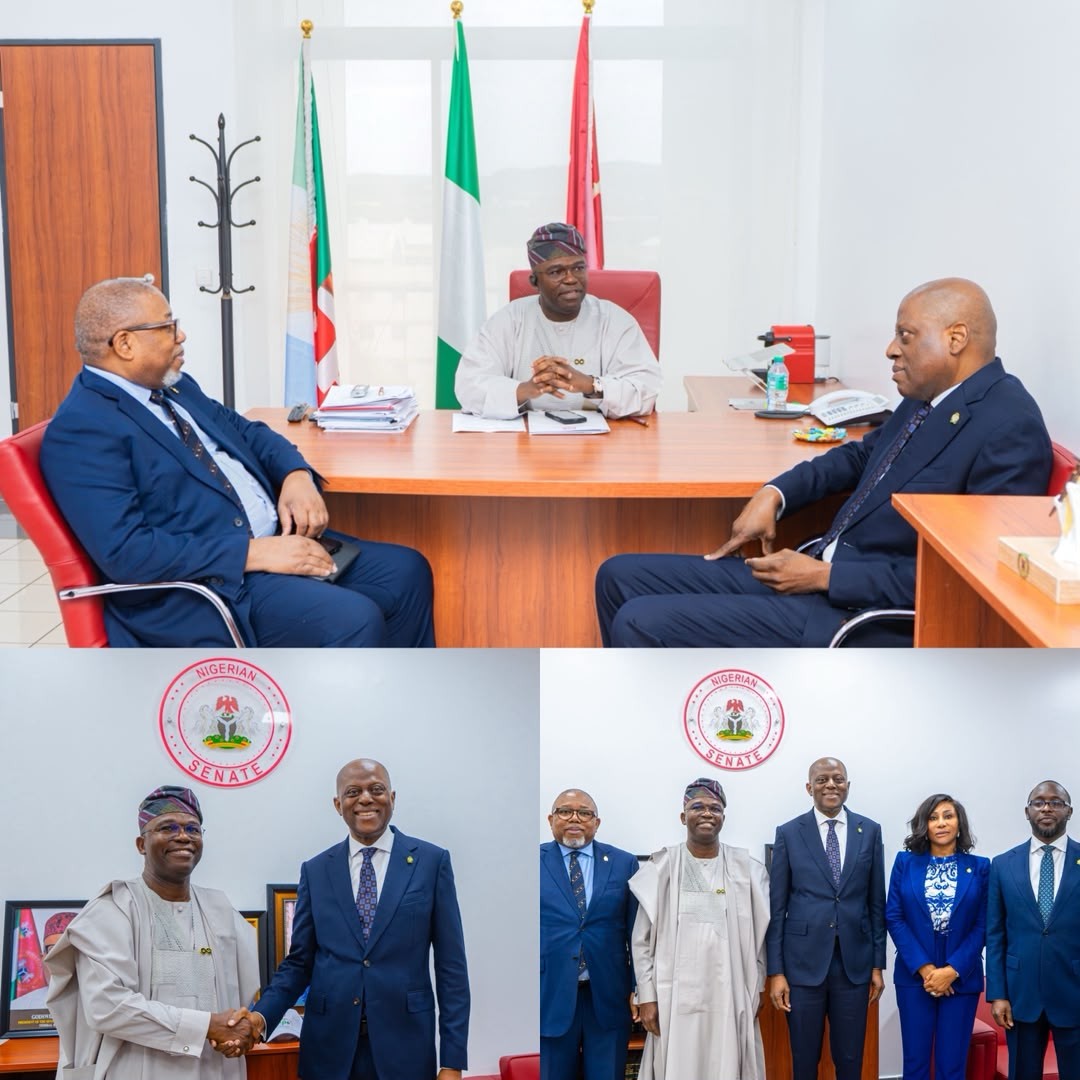
The engagement formed part of the committee’s constitutional oversight responsibilities aimed at promoting transparency, accountability, and sound governance within Nigeria’s financial sector.
Speaking during the meeting, Senator Abiru stressed the importance of maintaining a stable and resilient banking industry capable of supporting the nation’s economic aspirations.
“While stronger and better capitalised banks are important for financial stability, recapitalisation must ultimately translate into increased access to affordable credit for agriculture, manufacturing, infrastructure, SMEs, technology and other productive sectors that drive jobs and inclusive economic growth,” he said.
The senator noted that expanding access to affordable financing remains essential to unlocking the potential of businesses, creating employment opportunities, boosting local production, and driving sustainable economic development across the country.
The committee also examined the Central Bank’s regulatory reforms and assessed ongoing efforts to strengthen financial sector resilience amid prevailing economic realities.
Senator Abiru reaffirmed the committee’s commitment to providing constructive legislative oversight that supports sound financial policies while ensuring accountability and transparency in the operations of financial institutions.
“The Committee remains committed to constructive legislative oversight that strengthens transparency and accountability, deepens financial sector resilience and supports sustainable economic development in Nigeria,” he stated.
The meeting underscored the Senate Committee’s resolve to work closely with the Central Bank of Nigeria in fostering a stable financial system capable of supporting inclusive economic growth and restoring investor confidence.