There is no Green White Green on the pitch. There is no Nigerian national anthem before kick off. There are no Super Eagles carrying the hopes of over 200 million people.
EDITOR’S PICK
- Tinubu To Deploy Emerging Technologies Against Insecurity
- Iya Alakara: How Tinubu Turned an Online Joke Into a Leadership Moment
- Army Making Tremendous Progress in Rescue of Abducted Oyo Pupils, Teachers – COAS
Instead, we sit before our television screens as spectators, wondering what could have been.
For a nation blessed with extraordinary football talent and a rich World Cup history, Nigeria’s failure to qualify remains one of the country’s biggest sporting disappointments.
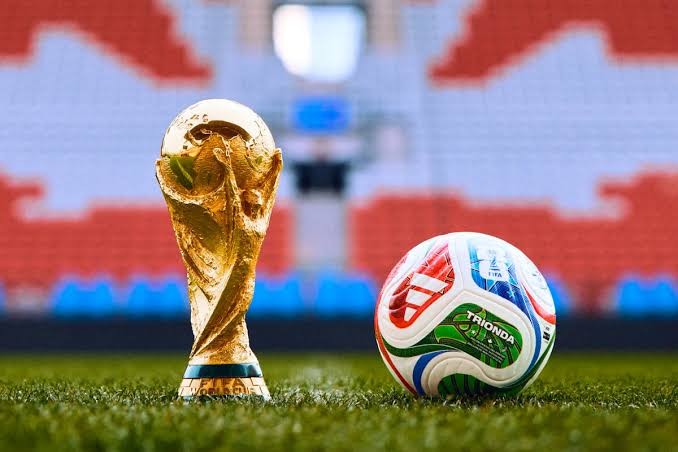
The World Cup is where stars become legends, where nations earn global respect and where generations of young footballers find inspiration. Nigeria belongs on that stage, not in front of the television.
Yet, while Nigerians watched from home, the tournament itself became one of the most talked about in recent history.
Even before a ball was kicked, the competition was surrounded by controversy. Strict visa procedures left many supporters struggling to travel despite buying match tickets.
Political discussions involving United States President Donald Trump and immigration policies also became part of conversations surrounding the tournament, proving once again that football and politics often cross paths.
The appointment of a Somali referee to officiate at the tournament was another historic moment for Africa. It showed the growing confidence in African match officials and reflected the continent’s increasing influence beyond producing talented footballers.
Still, football remained the biggest story.
One surprising storyline was the struggles of the host nations. While hosting a World Cup usually offers a significant advantage, not every host enjoyed the success many expected. The tournament reminded everyone that home support alone cannot guarantee victory. Preparation, organisation and quality football remain the deciding factors.
Then came Africa’s campaign. The continent entered the tournament with hope that one of its representatives would finally break the barrier and become the first African nation to win the FIFA World Cup.
Instead, the dream ended in heartbreak once again. South Africa became the first African casualty in the Round of 32 after suffering a painful 1-0 defeat to Canada. Just when extra time seemed inevitable, Canada found a dramatic stoppage time winner in the 92nd minute, ending South Africa’s campaign in heartbreaking fashion.
Ivory Coast also bowed out in the Round of 32, losing 2-1 to Norway despite a spirited display.
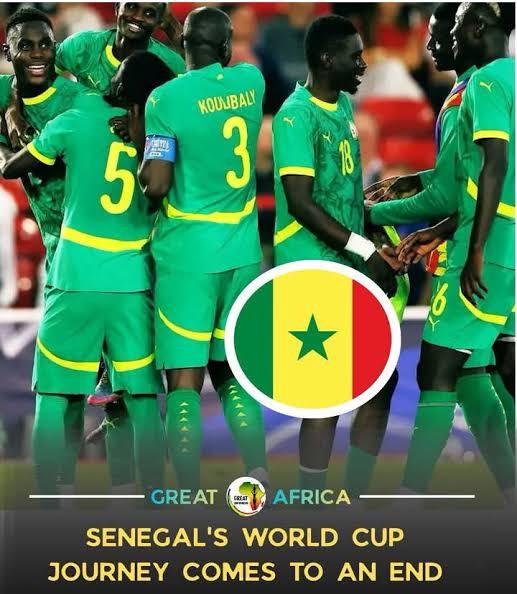
Senegal came close against Belgium but eventually lost 3-2 in one of the tournament’s most entertaining matches.
Algeria could not find a way past Switzerland and were beaten 2-0.
DR Congo fought bravely but lost 2-1 to England after pushing the European giants until the closing stages.
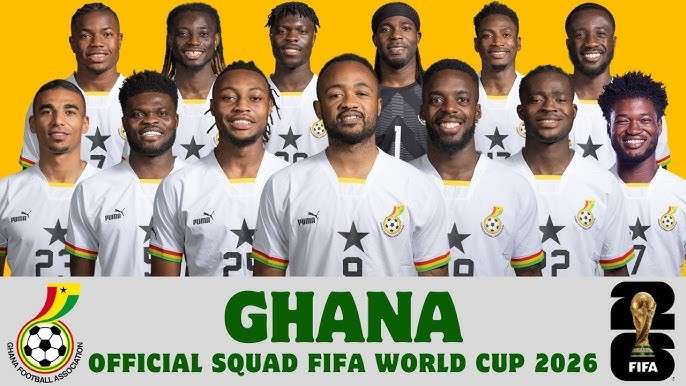
Ghana’s dream ended with a narrow 1-0 defeat to Colombia.
Egypt produced one of Africa’s finest performances. They battled Australia to a 1-1 draw before triumphing 4-2 on penalties to reach the Round of 16.
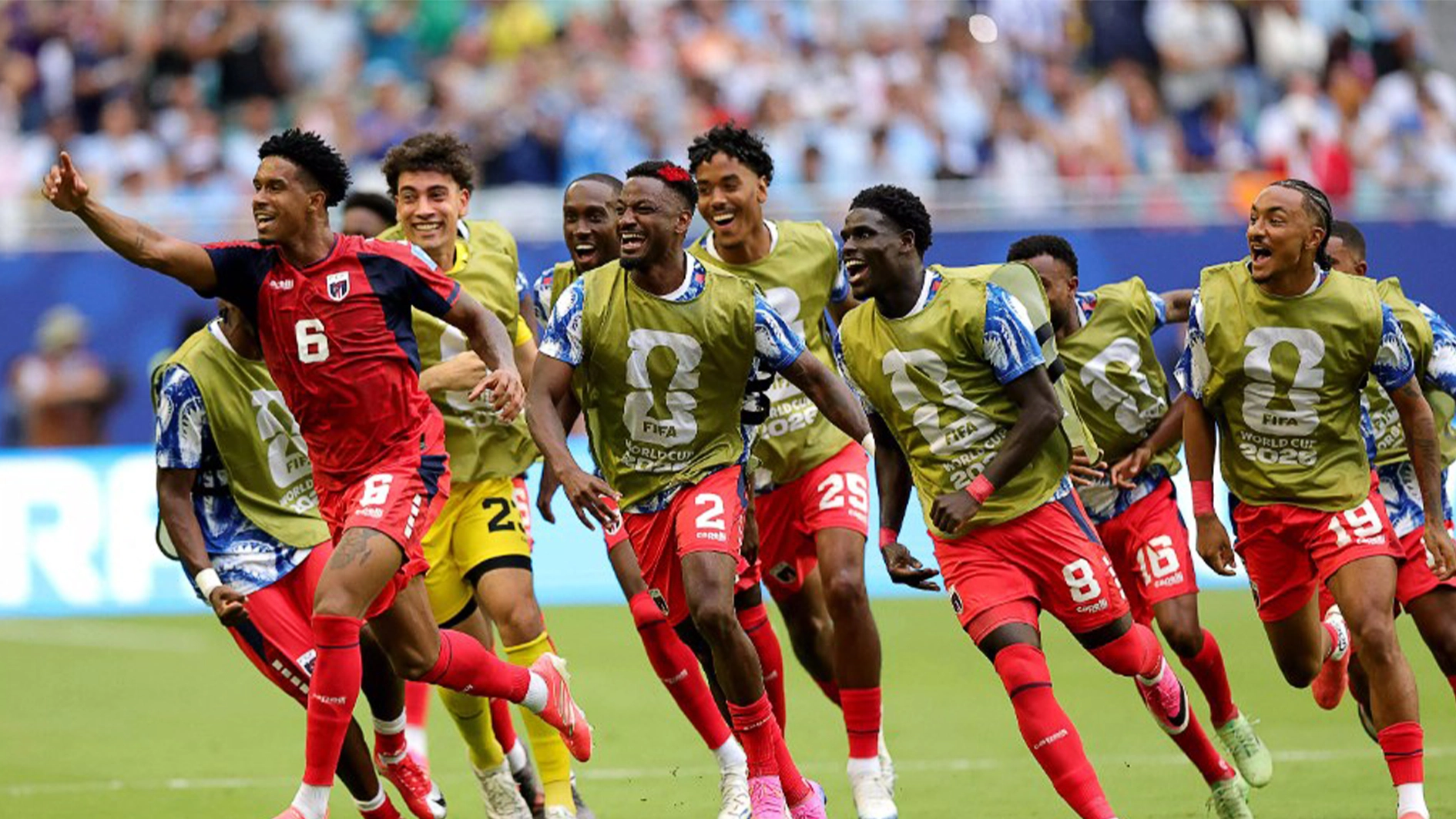
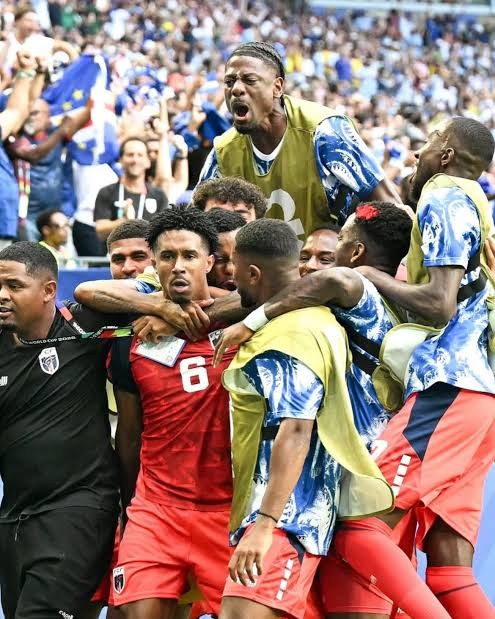
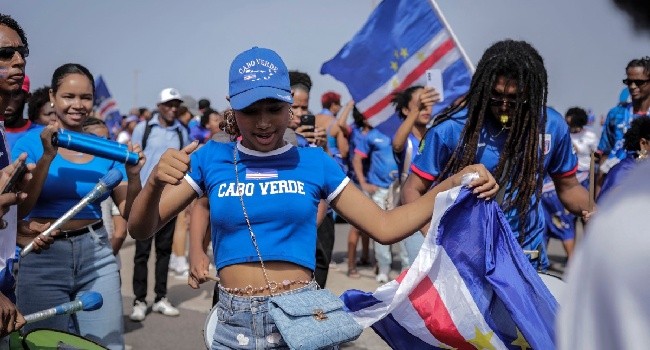
Cape Verde captured the imagination of football fans across the world. On their World Cup knockout debut, they stood toe to toe with defending champions Argentina before narrowly losing 3-2 in a thrilling encounter. Even in defeat, they earned admiration for refusing to surrender.
Only three African nations survived into the Round of 16.
Morocco continued their remarkable rise by comfortably defeating Canada 3-0 to reach the quarterfinals.
Egypt came agonisingly close to eliminating Argentina but eventually lost 3-2 in another heartbreaking contest after leading the world champions for long periods before late goals turned the match around.
Colombia edged Switzerland on penalties after a goalless draw, while Morocco proudly carried Africa’s hopes into the last eight.
Africa’s final dream rested on Morocco.
Standing between the Atlas Lions and a historic semifinal place was France.
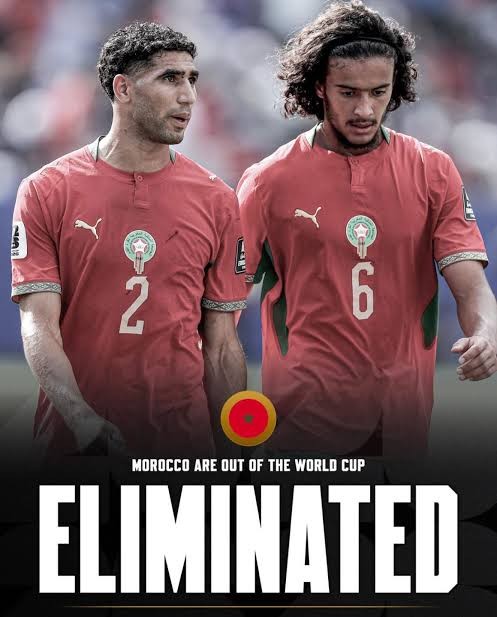
Despite another disciplined display, Morocco eventually lost 2-0 to France in the quarterfinals, ending Africa’s challenge for another four years.
The familiar question returned once again. Why does Africa continue to produce some of the world’s greatest footballers without producing a World Cup champion?
The continent is blessed with players starring for Europe’s biggest clubs. African footballers win the UEFA Champions League, Premier League, La Liga, Serie A and Bundesliga titles. Yet when they return to represent their countries, administrative crises, poor planning, coaching instability, inadequate preparation and internal conflicts often become bigger opponents than the teams they face.
Every World Cup also revives another endless conversation.
Lionel Messi or Cristiano Ronaldo?
For nearly two decades, both men have dominated world football. Messi’s supporters point to his creativity, vision and international achievements, while Ronaldo’s admirers celebrate his goalscoring records, longevity and leadership. Regardless of personal preference, both have transformed football forever.
There were also renewed conversations about FIFA itself. As controversial refereeing decisions emerged throughout the tournament, accusations of politics and favouritism once again surfaced among supporters. While such allegations remain largely matters of opinion rather than proven fact, they continue to fuel debates whenever major decisions influence important matches.
For Nigeria, however, the lesson is much closer to home.
The country cannot continue relying only on raw talent. Winning a World Cup requires long term planning, investment in grassroots football, better youth academies, qualified coaches, transparent football administration, stronger domestic leagues, modern sports science and genuine commitment from everyone involved.
Players must also understand that representing Nigeria should remain one of the highest honours in football. Loyalty to the national team, discipline and unity remain as important as talent.
And if there is one African country that deserves special recognition from this tournament, it is Cape Verde.
They may not have reached the quarterfinals, but they won something equally valuable, the respect of football lovers across the world. They played fearless football against Argentina, refusing to be intimidated by one of the greatest teams in history before narrowly losing 3-2. Their courage, organisation and belief embodied everything Africa hopes to become on the global stage. In many ways, Cape Verde leave this World Cup as Africa’s heroes.
Their journey sends a powerful message to Nigeria and every African nation. Competing with the world’s best is no longer impossible. Winning against them consistently is the next challenge.
Perhaps one day, the Green White Green will return to football’s biggest stage, not merely to participate but to compete for the trophy itself.
When that day finally comes, it will not happen by accident.
It will be the reward for years of vision, sacrifice, discipline, unity and proper football administration.
Until then, Nigerians will continue watching from their living rooms, dreaming of the moment when the national anthem once again echoes across a FIFA World Cup stadium and Africa finally lifts the most coveted trophy in world football.
FURTHER READING
- Senate Moves To Hold South Africa Accountable Over Attacks On Nigerians
- Tinubu Orders Assessment of Flooding Along Lagos Coastal Corridor
- Alausa Unveils Nigeria’s First Manu-Tech University Innovation Pod at MOUAU
Click here to watch video of the week