- South African investment in Nigeria hit $983.83m in Q1 2026, marking a 90.31% increase from the previous quarter despite ongoing diplomatic friction.
- The National Bureau of Statistics ranks South Africa as Nigeria’s third-largest capital source for the quarter, behind the United Kingdom and the United States.
- The financial surge coincides with warnings from Nigeria’s Minister of Foreign Affairs, Ambassador Bianca Odumegwu-Ojukwu, that retaliatory diplomatic actions against South African interests remain under consideration.
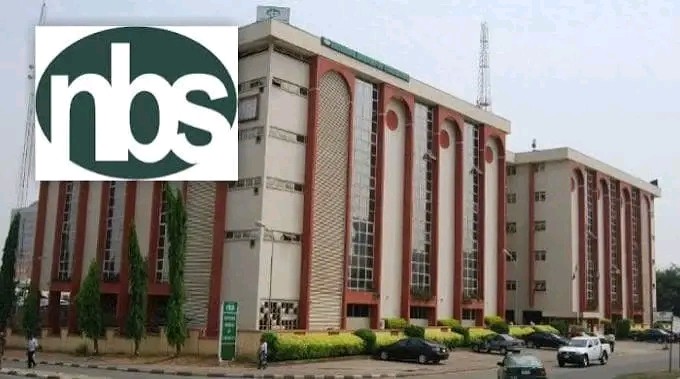
Newly released data from the National Bureau of Statistics (NBS) reveals that South African investors channelled $983.83m into Nigeria during the first quarter of 2026.
Eko Hot Blog reports that this financial influx comes despite escalating diplomatic tensions and a fresh wave of xenophobic violence targeting Nigerian nationals and other African migrants within South Africa.
EDITOR’S PICK
- Hamzat Appoints Obanikoro as Campaign DG Ahead of 2027 Lagos Governorship Race
- Tinubu’s State Police Plan Gains Momentum as Amendment Looms
- Residents Raise Alarm After Two Bodies Found in Lagos Waterway
The Q1 2026 figures mark a 90.31 percent surge from the $516.96m recorded in the final quarter of 2025, and a 96.26 percent jump compared to the $501.29m invested in the corresponding period last year.
The NBS Capital Importation Report positions South Africa as Nigeria’s third-largest source of foreign capital for the quarter, accounting for 9.49 percent of the total $10.37bn capital imported into the country, trailing only the United Kingdom ($5.08bn) and the United States ($3.18bn).
This economic trend unfolds against a backdrop of deep political strain. The Federal Government of Nigeria, through the Minister of Foreign Affairs, Ambassador Bianca Odumegwu-Ojukwu, recently expressed strong displeasure over the South African government’s handling of the renewed attacks.
Following a meeting with President Bola Tinubu, Odumegwu-Ojukwu dismissed claims that targeted Nigerians were undocumented, noting that legitimate passport holders were being harassed while local law enforcement stood by.
She warned that retaliatory diplomatic measures, including a comprehensive review of bilateral privileges enjoyed by South African businesses in Nigeria, remain actively on the table.
Concurrently, the House of Representatives has discussed suspending business permits, while Air Peace CEO Allen Onyema has championed a non-violent economic boycott, urging citizens to halt investments heading to South Africa.
Yet, trade ties between both economic giants remain robust, with Nigeria’s importation of goods from South Africa expanding by 23.83 percent to hit N155.26bn in the exact same quarter.
Prominent South African pension funds and investment vehicles, including the Government Employees Pension Fund and the Public Investment Corporation, are actively eyeing stakes in the Dangote Petroleum Refinery and Petrochemicals complex in Lagos.
A closer examination of the NBS report indicates that the banking sector swallowed the lion’s share of foreign interest, drawing in $7.55bn or 72.79 percent of the total capital imported.
Locally, Standard Chartered Bank Nigeria Limited processed $4.41bn, followed by Stanbic IBTC Bank Plc at $2.78bn and Rand Merchant Bank securing $930.82m.
While portfolio investments dominated the inflows at 95.09 percent, the broader macroeconomic data reveals that corporate capital continues to move across the continent’s major economic corridors despite ongoing political disputes.