State police seem like the obvious next step in tackling Nigeria’s worsening insecurity, we all know the idea by now.
A separate police force controlled by each state, funded by state governments and focused on protecting local communities. Instead of citizens looking only to President Bola Tinubu whenever insecurity worsens, governors, who are already referred to as their states’ chief security officers, would have the powers to deploy officers and respond more quickly to threats.
On paper, it sounds like the solution many Nigerians have been waiting for.
However, former Bayelsa State Governor and National Leader of the Nigeria Democratic Congress (NDC), Seriake Dickson, recently made a point that deserves more attention than it has received.
EDITOR’S PICKS
- Akpabio Makes Demand From Senators Over State Police
- JUST IN: State Police Move Gains Momentum as Tinubu Sends Bill to Senate
- Malami Appears in Court Over ₦8.7bn Trial
Speaking on Channels Television, Dickson threw his weight behind the creation of state police but cautioned against rushing its implementation.
“I commend the move to decentralise policing, but we should also decentralise mineral rights. That’s what we call resource control.
“The president has done this (state police), and it has my support, but my prescription would have been to decentralise it to the zonal levels first.
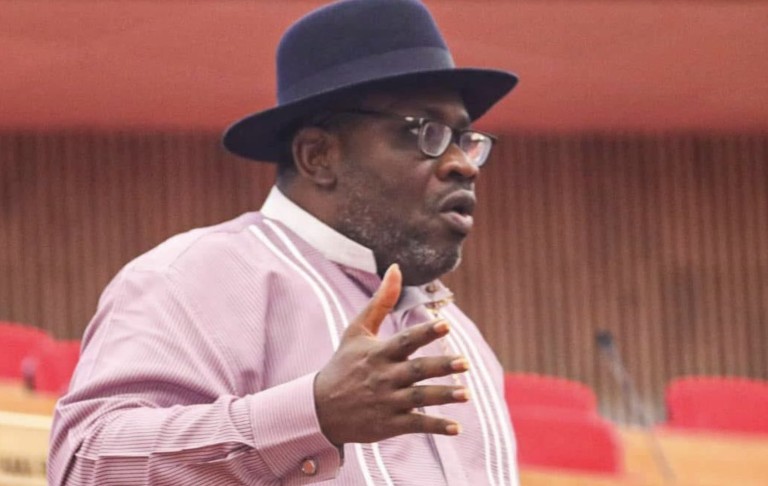
“Then, we amend the constitution to give governors power to appoint the commissioners of police working with the Police Service Commission, PSC, and then putting them to the Houses of Assembly for screening and oversight,” he said.
Sen. Dickson, though considered part of the opposition to the present government, seems to have raised a very important point. How Nigeria implements state police may be just as important as creating it in the first place.
His suggestion is simple. Don’t hand full policing powers to the states immediately. Test the waters first through zonal policing, strengthen the system, identify the loopholes and then gradually devolve policing to individual states. Looking at Nigeria’s political history, it is difficult to dismiss that argument.
The truth is, the case for state police has almost made itself over the years. Every part of Nigeria is battling a different security challenge. The North East continues to fight insurgency. The North West struggles with banditry and mass kidnappings. The North Central faces recurring communal clashes, while several southern states deal with cult violence, oil theft and organised crime.
The question then becomes, can one police command sitting in Abuja truly respond effectively to all these problems at the same time?
Many security experts don’t think so. They have repeatedly argued that policing works better when officers understand the communities they serve. Someone recruited from a local community is more likely to know the terrain, understand the language, recognise suspicious movements and build trust with residents than an officer posted hundreds of kilometres away. That local intelligence is often the first line of defence against crime.
Then there is another contradiction that has existed for years.
Governors are called the Chief Security Officers of their states, yet they have no direct control over the police. Whenever insecurity worsens, the first person citizens blame is the governor, but the governor cannot recruit officers, deploy them or even instruct the Commissioner of Police without the approval of authorities in Abuja. Giving governors greater control over policing appears to solve that contradiction.
But there is also the other side of the argument, and this is exactly where Dickson’s warning begins to make even more sense.
Nigeria’s politics is highly competitive, and not every governor has a spotless record when it comes to handling political opponents. Giving every state its own armed police force without strong safeguards could create a different problem altogether. Critics fear that state police could be used to intimidate opponents, influence elections or settle political scores. Whether those fears eventually materialise is another debate, but they are concerns that cannot simply be brushed aside.
There is also the issue of funding. Running a police force is expensive. It is not just about buying uniforms and patrol vehicles. Officers must be trained continuously. Intelligence units need funding. Forensic laboratories, communication equipment, technology, salaries and welfare all require huge and consistent investment. While states like Lagos, Rivers or Akwa Ibom may be able to sustain such a system, can every state honestly say the same?
Perhaps that is why Dickson believes Nigeria should slow down, not because state police is a bad idea, but because getting it wrong could create fresh problems while trying to solve existing ones.
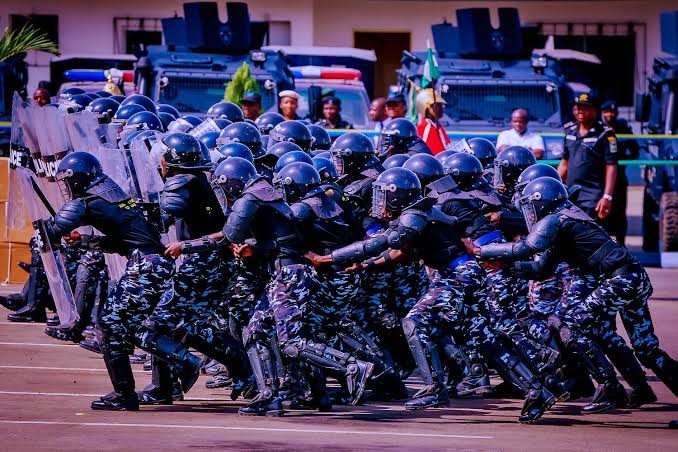
At this point, the conversation is no longer about whether Nigeria needs state police. Judging by the level of insecurity across the country, many believe that debate has already been settled. The bigger question now is whether Nigeria can build a state policing system that truly protects citizens without turning it into another political tool. That may be the real test of this reform.
FURTHER READING
- Governor Abba Yusuf Pledges Kano’s Total Support For President Tinubu’s Re-Election Bid
- UN Estimates Nearly 6.8 Million People Affected by Devastating Twin Earthquakes in Venezuela
- NNPCL Cuts Petrol Price Second Time In Four Days
.