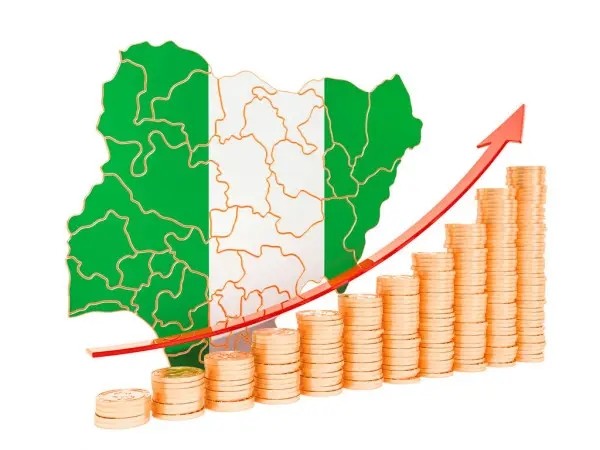
- Capital expenditure across 26 Nigerian states dropped by ₦2.19tn (58.1%) in the first quarter of 2026, falling from ₦3.79tn in Q4 2025 to just ₦1.59tn.
- Despite the spending cuts, 13 states secured ₦361.98bn in fresh loans during the same period, with Oyo State accounting for nearly half of the total debt at ₦164.88bn.
- Analysts warn that the shift toward political maneuvering ahead of the 2027 elections is diverting funds from critical long-term projects like roads, hospitals, and schools toward recurrent spending and debt servicing.
Infrastructure development across Nigeria has hit a significant roadblock as state governments sharply reduced their capital investments in early 2026.
Eko Hot Blog reports that data analyzed from 26 states revealed that the majority recorded steep declines in spending, with Enugu seeing a staggering 91.4% plunge. While Lagos remains the top spender in absolute terms, even its investment fell by 36.4%.
EDITOR’S PICKS
- JAMB Delists 23 CBT Centres, Warns 89 After Mock UTME Review
- NASA Astronauts Return to Earth After First Human Trip to the Moon in 50 Years
- INEC Shifts Nationwide Voter Revalidation Until After 2027 General Election
Experts suggest this trend reflects a dangerous “political season” pivot, where governance often takes a backseat to electioneering and the consolidation of political power.
Oyo State emerged as the sole major outlier, more than doubling its capital expenditure to ₦231.27bn.
However, this growth was fueled by heavy borrowing, as the state took on over ₦164bn in new debt.
Conversely, oil-rich Akwa Ibom and Bayelsa slashed their development budgets by 67.9% and 79.9%, respectively.
This contraction raises questions about the future of public welfare projects, as capital expenditure is the primary engine for job creation and economic growth at the subnational level.
Economic analysts are sounding the alarm over the sustainability of this fiscal model.
While some experts, like Muda Yusuf of the CPPE, argue that Q1 is naturally slow due to bureaucratic procurement processes, others warn that rising external debt, which hit nearly $5.7bn for states in 2025, is beginning to crowd out essential services.
With 10 states yet to even publish their financial reports, the full extent of the fiscal slowdown remains to be seen, but the current data points to a year where infrastructure may play second fiddle to 2027 political calculations.