- Tinubu declined to meet South African envoys
- The delegation held talks with Nigeria’s foreign affairs minister
- Both countries pledged dialogue over xenophobic attacks
President Bola Tinubu declined to meet a special delegation sent by South African President Cyril Ramaphosa over the recent xenophobic attacks on Nigerians in South Africa, directing the team to hold talks with the Minister of State for Foreign Affairs, Ambassador Sola Enikanolaiye, instead.
Eko Hot Blog gathered that presidency officials confirmed that the delegation, led by South Africa’s Minister of International Relations and Cooperation, Ronald Lamola, arrived in Abuja on Friday seeking an audience with the Nigerian leader. However, the request was not granted.
EDITOR’S PICK
- Tinubu Approves Army Expansion, Recruitment of 28,000 Personnel
- Aregbesola Claims Record as First Nigerian Governor to Serve Eight Years Without Owning a House
- Ikosi-Ejinrin LCDA Commissions Fully Equipped NSCDC Divisional Headquarters, Donates Patrol Vehicle and Motorcycle to Boost Security
According to sources familiar with the development, the delegation initially sought an immediate meeting with the President but was informed that such a request required prior approval. Although Tinubu reportedly agreed they could return on Monday, he later instructed them to meet with Ambassador Enikanolaiye, who would brief him on the outcome of the discussions.
Another Presidency official confirmed that the President would not receive the delegation, while a separate source noted that no such meeting appeared on Tinubu’s official schedule.
The visit comes amid heightened diplomatic tensions between Nigeria and South Africa following renewed attacks on Nigerians and other African nationals, which forced the evacuation of hundreds of Nigerians from South Africa.
The South African delegation reportedly remained in Abuja throughout the weekend after arriving on July 24 with a message from President Ramaphosa.
Sources also disclosed that the Minister of Foreign Affairs, Ambassador Bianca Odumegwu-Ojukwu, who is attending official engagements in Addis Ababa, advised against a direct meeting between Tinubu and the delegation while the attacks on Nigerians and their businesses were still ongoing.
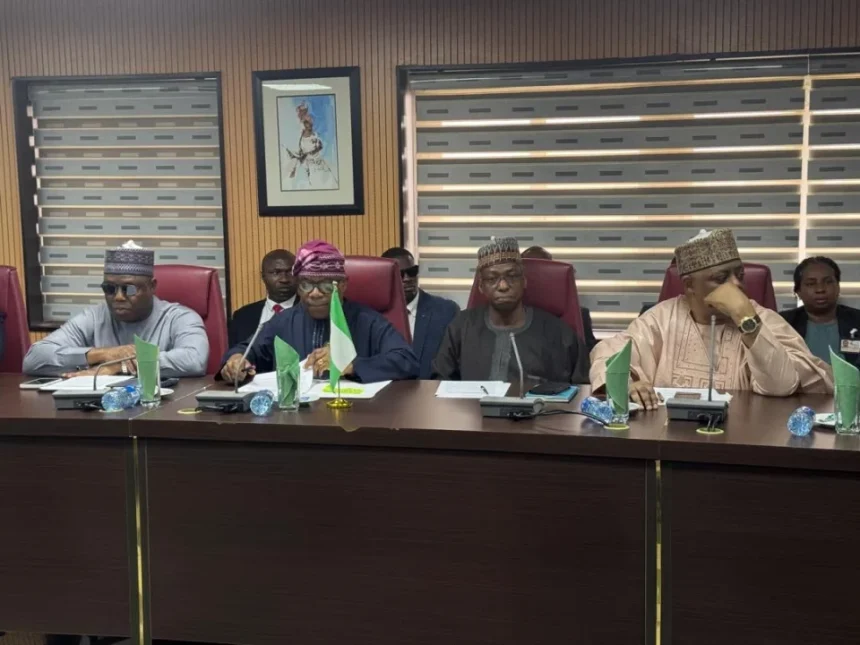
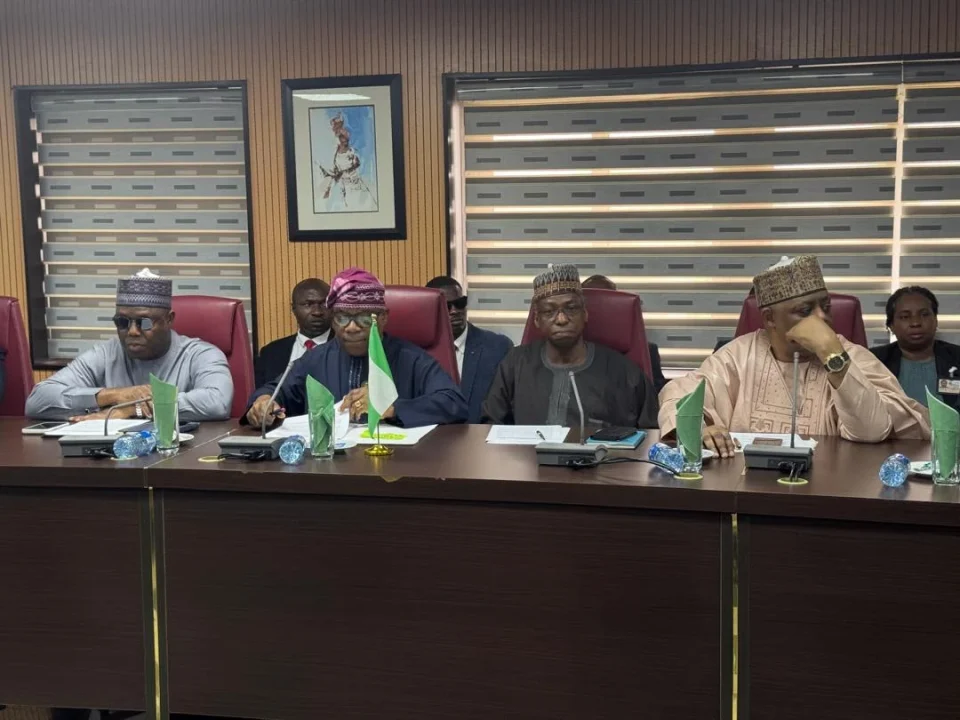
Welcoming the South African officials in Abuja, Enikanolaiye said President Tinubu mandated him to discuss possible solutions to the crisis, stressing that the longstanding ties between Nigeria and South Africa should not be undermined by violence against African migrants.
He described the attacks as a recurring problem, recalling similar incidents over the years and noting that dozens of Nigerians had reportedly lost their lives in mob attacks since 2022.
The minister said Nigeria remained opposed to criminal activities but insisted that anyone accused of wrongdoing should face lawful prosecution rather than mob justice.
He also expressed concern over reports that security agencies in South Africa failed to prevent some of the attacks, raising questions about the responsibility of state authorities.
Enikanolaiye described the humanitarian consequences of the violence as heartbreaking, recalling previous evacuation exercises in which many Nigerians returned home after losing their homes and businesses.
Responding on behalf of the South African government, Lamola said President Ramaphosa sent him to deliver a message to Tinubu and reaffirm South Africa’s opposition to xenophobia, racism and other forms of discrimination.
He maintained that while South Africa condemns attacks on foreign nationals, it would continue enforcing its immigration laws and tackling criminal activities within its borders.
Lamola added that migration remains a shared African challenge that requires cooperation among governments and expressed optimism that continued dialogue between both countries would help ease tensions.
Relations between Nigeria and South Africa have deteriorated in recent weeks following a fresh wave of xenophobic attacks that began in April 2026. The crisis prompted the Nigerian government to organise evacuation flights for affected citizens, while lawmakers also considered diplomatic measures against South African interests in Nigeria.
FURTHER READING