- Tinubu urged governors to invest more in roads instead of unnecessary flyovers
- He said increased federal allocations should improve infrastructure and security access
- The President also ruled out ransom payments and backed state police to tackle insecurity
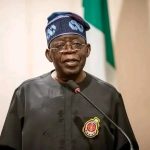
President Bola Tinubu has urged state governors to prioritise the construction of road networks over flyovers in areas with minimal traffic, saying improved roads would enhance economic activities, raise living standards and strengthen security operations across the country.
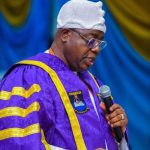
Eko Hot Blog gathered that the President made the appeal on Thursday while receiving a delegation of traditional rulers from Oyo State, led by the Olubadan of Ibadanland, Oba Rashidi Ladoja, who visited the Presidential Villa to congratulate him on the rescue of pupils and teachers abducted in Oriire Local Government Area after spending 56 days in captivity.
EDITOR’S PICK
- Tinubu Approves Army Expansion, Recruitment of 28,000 Personnel
- Aregbesola Claims Record as First Nigerian Governor to Serve Eight Years Without Owning a House
- Ikosi-Ejinrin LCDA Commissions Fully Equipped NSCDC Divisional Headquarters, Donates Patrol Vehicle and Motorcycle to Boost Security
Addressing members of the delegation, including former governors, Tinubu noted that state governments now receive significantly higher allocations from the Federation Account than in previous years.
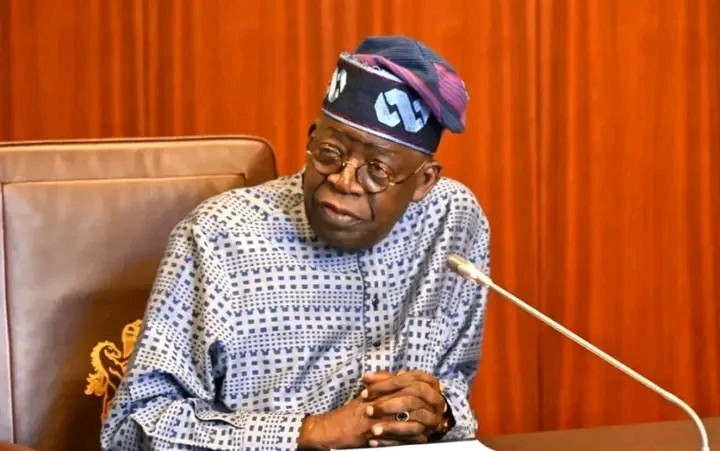
He said the increased funding should be invested in road infrastructure that connects communities and improves access for security personnel rather than projects with limited public value.
According to the President, many states now receive between four and five times their previous allocations, making it possible to execute more impactful development projects without relying on borrowing to pay salaries or pensions.
Tinubu also disclosed that the terrorists behind the Oriire school abductions demanded both ransom payments and the release of detained gang members, but the Federal Government rejected the conditions.
He reaffirmed his administration’s position against negotiating with kidnappers or paying ransom, insisting that the government would not reward criminality.
The President explained that the recent decision to expand the Nigerian Army from eight to 12 divisions was informed by the need to improve security operations, reduce response times and strengthen the military’s capacity to combat terrorism and banditry.
He commended the armed forces for successfully rescuing the abducted victims, describing the operation as a reflection of improved intelligence and knowledge of the terrain where the kidnappers operated.
Tinubu said every security challenge provides lessons that help the government review its strategies, operational plans and security architecture.
He added that his administration is also working towards establishing state police with safeguards to prevent abuse while giving traditional rulers greater roles in maintaining security at the grassroots.
The President further linked the rising insecurity in Nigeria to instability in neighbouring Sahel countries, including Mali, Burkina Faso and Niger Republic, noting that the regional security crisis has increased pressure on Nigeria’s borders.
He stressed that strengthening forest guards and introducing state police remain key measures in the government’s broader strategy to improve national security.
FURTHER READING