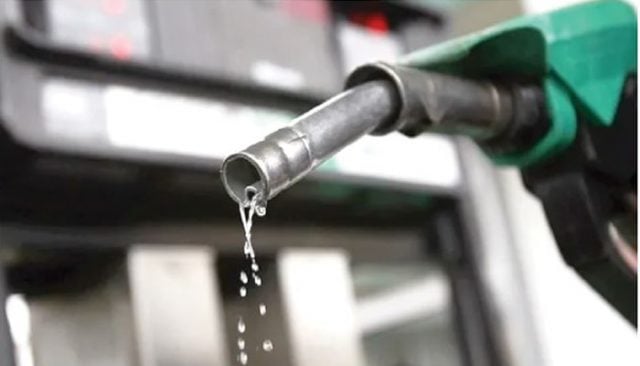
President Bola Tinubu’s decision to suspend the implementation of the proposed 15 per cent import duty on petrol and diesel has reshaped expectations across Nigeria’s downstream oil and gas market, signalling a temporary pause in a policy designed to boost local refining and align import costs with domestic production realities.
Though the Nigerian Midstream and Downstream Petroleum Regulatory Authority (NMDPRA) initially suggested an indefinite halt, documents later revealed the measure has only been postponed until the first quarter of 2026, pending further review.
EDITOR’S PICKS
The duty, approved in October 2025 as part of the Federal Government’s new tariff framework, was intended to support emerging local refineries, strengthen fiscal reforms, and promote competitive parity between imported and domestically refined products.
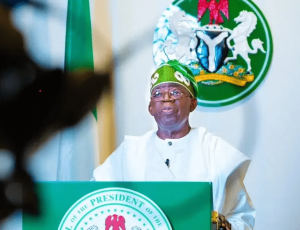
However, concerns about inflationary pressure, supply disruptions, and the readiness of domestic refineries prompted Federal Inland Revenue Service Chairman Zacch Adedeji to request a formal deferment. President Tinubu approved the shift, with agencies now expected to use the coming months to align technical templates, refine operational frameworks, and monitor production trends ahead of any future rollout.
Short-Term Market Relief and Stabilisation
The suspension provides immediate relief to consumers and marketers who feared the tariff would trigger a sharp rise in pump prices. Petroleum retailers, importers, and independent marketers widely agree that imposing a 15 per cent duty at this stage, when Nigeria still relies heavily on imports, would have inflated transportation and landing costs, cascading into higher fuel prices and worsening inflation.
The Petroleum Products Retail Outlets Owners Association of Nigeria and the Independent Petroleum Marketers Association of Nigeria publicly welcomed the pause, describing it as a “people-centred” decision that shields consumers and allows the market to avoid sudden distortions. Some experts argue the tariff was “outrageous and ill-timed,” noting that even major oil economies with stronger domestic refining capacity impose far lower duties on imported fuel.
Marketers say the suspension ensures that fuel importation will continue unhindered, preserving supply volumes and preventing a pricing shock at a time when local refineries, including the Dangote facility and modular plants, have not yet achieved stable, full-scale output. For now, the decision forestalls possible supply tightening and leaves pump prices largely dependent on global oil prices and foreign exchange movements rather than new taxation.
What It Means for Local Refiners and Government Policy
While the duty was conceived as a tool to strengthen domestic refining, the deferment reflects the government’s recognition that local plants are still ramping up. The FIRS advised the Presidency that implementation should align with “verified production data” and broader market readiness to avoid unintended consequences. Industry observers say the suspension removes the risk of creating an uneven competition environment that could favour certain refiners before the sector reaches equilibrium.
However, local refiners may now face a slower transition toward a tariff-protected market. Stakeholders expected the duty to enhance the price advantage for domestically produced fuel, accelerating Nigeria’s path to self-sufficiency. With the pause, refineries must continue working within a marketplace where imported fuel remains comparatively cheaper, though the government insists the delay is temporary and intended to ensure reforms are “economically sustainable and socially responsible.”
The review window up to Q1 2026 gives regulators time to refine the rollout plan, strengthen technical checks, and communicate policy details more clearly, an essential step after marketers criticised the initial approval for inadequate consultation.
Political and Economic Considerations Going Forward
Some industry voices believe the reversal reflects deeper political and economic calculations. Marketers note that sudden increases in petrol prices often carry significant political risk, especially at a time of inflation, ongoing energy reforms, and public scrutiny of government decisions affecting household spending. Others point to the possibility that the initial duty was perceived as protecting one major refinery, heightening industry pushback.
Looking ahead, the suspension may support market stability while buying the administration time to synchronise fiscal reforms, monitor refinery performance, and avoid premature policy execution. But the broader goal remains unchanged: transitioning Nigeria from a fuel-import-dependent economy to one anchored on domestic refining.
FURTHER READING
Whether the postponed duty will eventually be implemented — and in what form — will depend on Nigeria’s refining output in early 2026, consumer price trends, and the readiness of key agencies to execute a policy that has already sparked debate across the energy sector. For now, the market settles into a holding pattern, awaiting the next phase of the government’s downstream reform agenda.
Philip Ibitoye is a Special Correspondent with EKO HOT BLOG. Click here to find daily analysis and critical insight on trending issues in Lagos and other parts of Nigeria.
Click here to watch the video of the week below: