- The US plans tougher sanctions against Iran
- Bessent said details will be released Monday
- Iran and China rejected the sanctions approach
The United States has announced plans to impose what Treasury Secretary Scott Bessent described as the “toughest sanctions in history” on Iran, as Washington seeks to increase economic pressure on Tehran and limit the possibility of renewed large-scale military action.
Eko Hot Blog gathered that Bessent said the details of the new sanctions package would be unveiled on Monday, following President Donald Trump’s warning that countries providing economic support to Iran could face severe consequences.
EDITOR’S PICK
- Tinubu Directs Installation of 3,700 Telecom Towers Across Nigeria
- Alara of Ilara Praises Sanwo-Olu, LASU Staff’s Dedication To Progress
- Burna Boy, Tems Bag Nominations at 2026 MTV VMAs
The announcement comes amid an ongoing conflict that has disrupted regional trade and pushed oil prices higher, with tensions particularly affecting shipping through the Strait of Hormuz, a major global energy route.
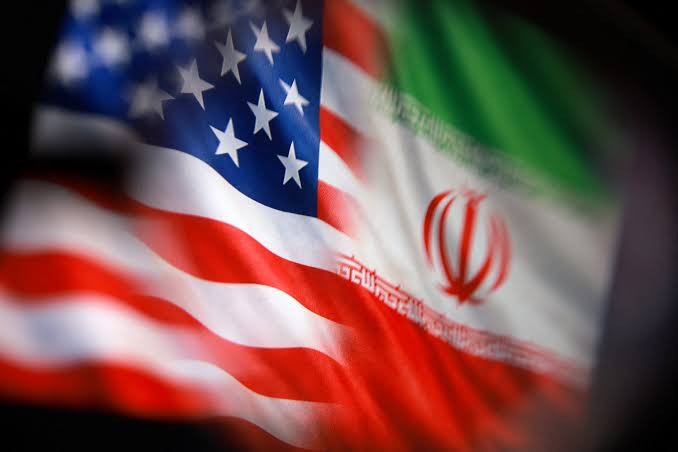
Bessent said the US was pursuing maximum economic pressure against Iran and suggested that stronger sanctions could reduce the need for another major military offensive.
The United States and Iran have previously announced ceasefire agreements aimed at restoring shipping through the Strait of Hormuz, but both arrangements broke down as the conflict continued.
Iran has strongly rejected the planned sanctions, describing US economic and trade restrictions as “economic terrorism.” Iranian officials maintained that the measures would not weaken the country’s determination to protect its sovereignty and independence.
Iranian Foreign Minister Abbas Araqchi also criticised Trump’s approach, arguing that the US administration was using pressure against Tehran to divert attention from economic difficulties at home, including high debt and rising interest costs.
The proposed sanctions could also create tensions between Washington and China, which remains Iran’s largest buyer of shipped oil. Data from Kpler showed that China purchased more than 80 per cent of Iran’s exported oil in 2025.
Asked whether China could face penalties for continuing to trade with Iran, Bessent said discussions on the issue were better handled privately. He urged Beijing to cooperate with the US, pointing to China’s dependence on energy supplies from the Gulf.
China, however, rejected the use of sanctions as a solution to the conflict, calling instead for political and diplomatic efforts to resolve the crisis.
Trump had earlier warned that any country whose financial institutions, businesses, airports or government agencies provided support to Iran would face what he described as “tremendous economic consequences.”
The US administration has not yet provided full details of how the new measures will be implemented or which countries and entities could be targeted.
The escalating economic pressure comes as the conflict enters its sixth month, with thousands of people reportedly killed and global energy markets affected by disruptions around the Strait of Hormuz.
Bessent said Washington expected the new strategy to increase pressure on Iran and force a change in the country’s leadership, while Iran maintained that sanctions and military pressure would not make it surrender its position.
FURTHER READING