- According to Trump, the call focused on longstanding disagreements around drug trafficking and regional security
- Colombia was also recently placed on a US list of countries deemed uncooperative in anti-drug efforts
- Colombia has traditionally been one of Washington’s closest allies in the region and a central partner in decades-long anti-narcotics cooperation
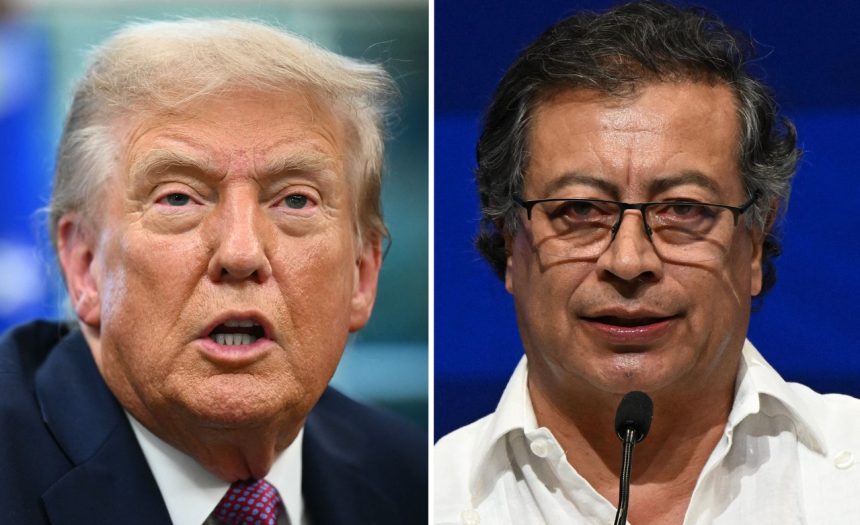
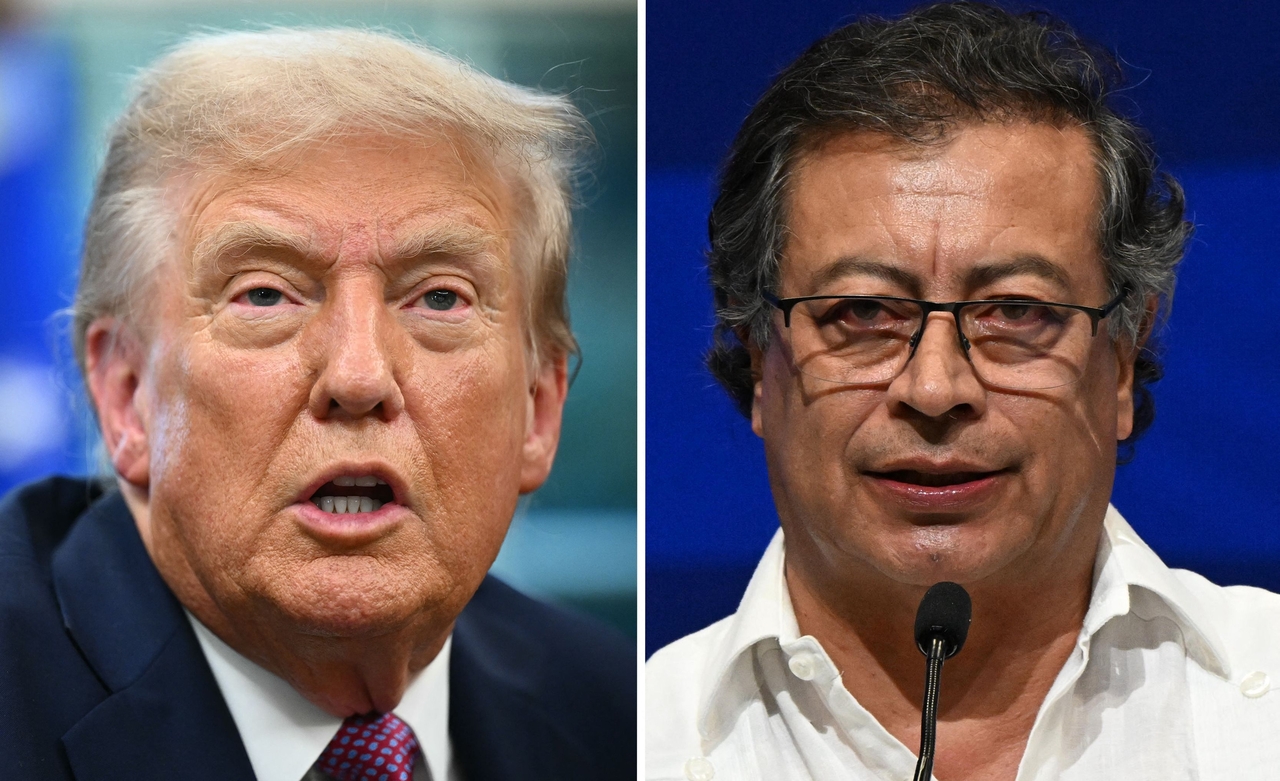
US President Donald Trump struck a more conciliatory note toward Colombian President Gustavo Petro on Wednesday, signaling a sudden shift in rhetoric after days of sharp criticism and diplomatic tension between Washington and Bogotá.
Eko Hot Blog reports that Trump disclosed he had a cordial phone conversation with Petro, describing it as respectful and productive, and revealed that he had extended an invitation to the Colombian leader to visit the White House.
EDITOR’S PICK
- DDG Says Streaming Pays More Than Music
- NRC Records Massive Passenger Turnout as 50 Percent Festive Fare Discount Ends
- SERAP Urges Tinubu to Probe Alleged ₦128bn Power Funds
According to Trump, the call focused on longstanding disagreements around drug trafficking and regional security, issues he said Petro personally reached out to address.
The change in tone marked a sharp contrast to Trump’s recent remarks following the US-led operation that removed Venezuelan leader Nicolás Maduro, when he publicly accused Petro of fueling the cocaine trade and suggested the Colombian president’s time in office might be short. At the time, Trump even hinted that US intervention in Colombia could be an option.
Speaking later in Bogotá, Petro confirmed the call with Trump lasted about an hour and said their discussion centered on Venezuela and narcotics control. His comments came during a mass rally he convened to push back against what he described as growing military and political pressure from the United States.
Petro told supporters that certain Colombian political figures with alleged links to drug trafficking had distorted facts about his administration and influenced Trump against him. He argued that these internal actors were responsible for what he termed a diplomatic and verbal crisis between the two countries.
The apparent thaw in relations surprised many observers, especially given Petro’s earlier condemnation of the US action in Venezuela, which he had described as a violation of Latin American sovereignty and likened to historic acts of aggression in Europe.
Colombia has traditionally been one of Washington’s closest allies in the region and a central partner in decades-long anti-narcotics cooperation. The United States has invested heavily in security assistance, counterinsurgency operations, and rural development programmes aimed at curbing cocaine production.
However, relations have been strained in recent months. The Trump administration imposed sanctions last October on Petro, members of his family, and a government official over alleged ties to the global drug trade.
Colombia was also recently placed on a US list of countries deemed uncooperative in anti-drug efforts, triggering cuts in American aid for the first time in nearly three decades.
Despite the renewed diplomatic outreach, underlying tensions remain, as Washington continues expanded maritime operations against suspected drug-smuggling routes linked to both Venezuela and Colombia.
Whether Trump’s softened stance signals a lasting reset or a temporary pause in hostilities remains to be seen.
FURTHER READING