- US officials, including Vice-President JD Vance, have accused Venezuela of unlawfully benefiting from American-linked oil assets in the past
- Industry experts have also warned that investors would likely demand strong guarantees of political stability before committing funds
- the arrangement is part of a broader vision to revive Venezuela’s oil industry
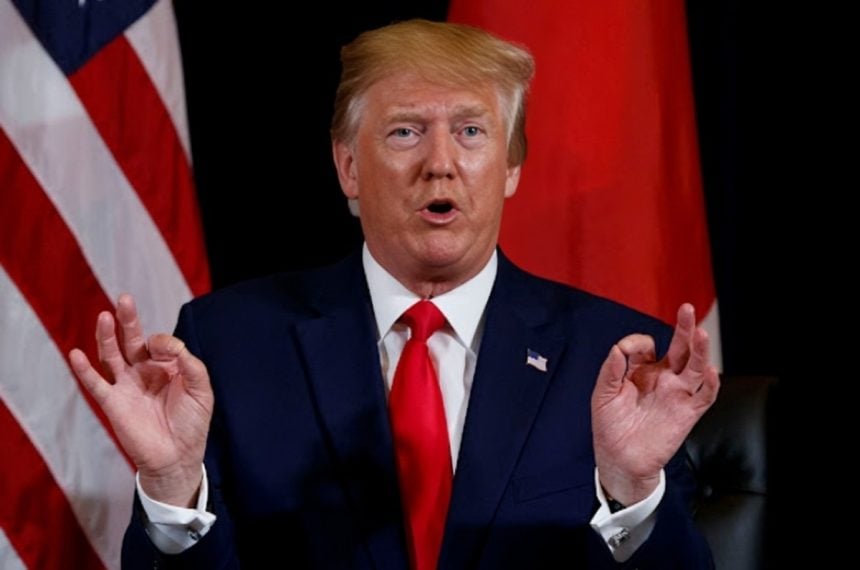
United States President Donald Trump has unveiled plans for the transfer of tens of millions of barrels of Venezuelan crude oil to the US, following a dramatic political shake-up in the South American country that led to the removal of President Nicolás Maduro from office.
Eko Hot Blog reports that Trump announced the development via his social media platform, stating that between 30 and 50 million barrels of what he described as high-quality oil would be handed over to the United States and sold at prevailing market rates, with proceeds placed under his direct control to serve the interests of both nations.
EDITOR’S PICK
- DDG Says Streaming Pays More Than Music
- NRC Records Massive Passenger Turnout as 50 Percent Festive Fare Discount Ends
- SERAP Urges Tinubu to Probe Alleged ₦128bn Power Funds
According to the US president, the arrangement is part of a broader vision to revive Venezuela’s oil industry, with American energy firms expected to begin large-scale operations within the next 18 months, a move he believes will attract massive foreign investment and help stabilise global oil prices.
Trump’s remarks followed the inauguration of Delcy Rodríguez as Venezuela’s interim president, a day after Maduro was reportedly transferred to the United States to face charges related to drug trafficking and weapons offences.
While the White House argues that restoring Venezuela as a major oil producer would benefit the US by keeping fuel prices low, energy analysts remain cautious, noting that reviving the country’s ageing oil infrastructure could cost billions of dollars and take several years to yield significant output.
Industry experts have also warned that investors would likely demand strong guarantees of political stability before committing funds, especially given Venezuela’s long history of policy reversals and state intervention in the energy sector.
Venezuela holds the world’s largest proven oil reserves, estimated at over 300 billion barrels, but production has steadily declined since the early 2000s due to underinvestment, sanctions and mismanagement.
Despite Trump’s confidence that American companies can quickly rehabilitate the sector, only Chevron currently maintains limited operations in the country, while other major firms such as ConocoPhillips and Exxon have adopted a wait-and-see approach.
US officials, including Vice-President JD Vance, have accused Venezuela of unlawfully benefiting from American-linked oil assets in the past, claims that experts say overlook the complex history of nationalisation and compensation disputes surrounding the country’s oil industry.
Analysts argue that while Venezuela’s vast reserves present long-term opportunities, translating political change into meaningful oil production gains will require time, stability and sustained investment.
FURTHER READING