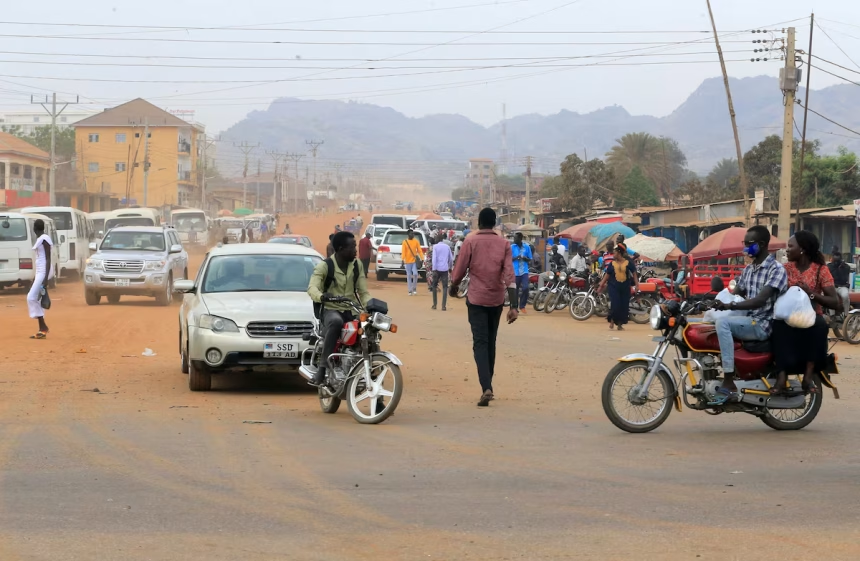
- South Sudanese nationals a 60-day grace period to leave the country
- South Sudan no longer meets the criteria for TPS designation
- U.S. government has also imposed the lowest refugee admission cap
The administration of U.S. President Donald Trump has announced the termination of Temporary Protected Status (TPS) for South Sudanese nationals, ending a program that has been in effect for over ten years.
Eko Hot Blog reports that the U.S. Department of Homeland Security (DHS) has given South Sudanese nationals a 60-day grace period to leave the country following the expiration of their protected status on Monday.
EDITOR’S PICK
- Epe Division Sets Pace as APC Chairman’s Cup LOC Officially Inaugurated
- FG to Replace ETC with Single Travel Emergency Passport
- PHOTO STORY: Eko Club Atlanta And Ojodu LCDA Present A Free Medical Outreach For Residents.
The Trump administration has consistently pursued policies aimed at reducing legal protections for migrants as part of its broader “America First” immigration agenda.
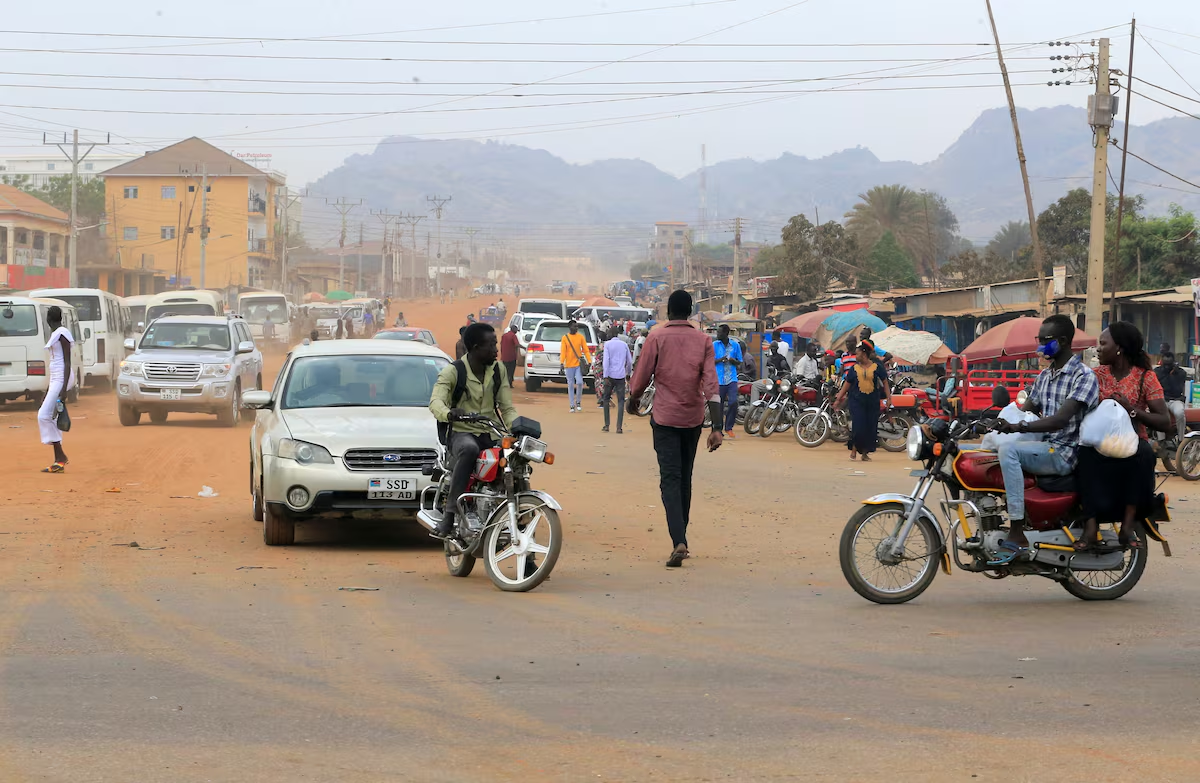
The TPS program, a humanitarian initiative under U.S. law, offers temporary relief from deportation and work authorization to nationals from countries affected by conflict, natural disasters, or other crises.
Since gaining independence in 2011, South Sudan has endured ongoing instability, including a devastating civil war between 2013 and 2018 that claimed an estimated 400,000 lives. A recent report by a U.N.-backed hunger monitor revealed that food insecurity and malnutrition in the country remain alarmingly high.
DHS stated in its notice that South Sudan no longer meets the criteria for TPS designation. The program had covered approximately 232 South Sudanese individuals, with an additional 73 applications pending review.
South Sudan now joins a list of countries, including Syria, Venezuela, Haiti, Cuba, and Nicaragua, whose nationals have seen their TPS protections revoked under the Trump administration.
Meanwhile, the U.S. government has also imposed the lowest refugee admission cap in the nation’s history.
FURTHER READING