Since Russia launched its full-scale invasion of Ukraine in 2022, the conflict has evolved into more than a territorial war.
EDITOR’S PICKS
- Judge Frees 37 Inmates Over Prolonged Detention in Akwa Ibom
- Trump Threatens Iran Over Energy Attacks
- Tinubu Excludes Kemi Badenoch from UK State Visit Itinerary
It has become a prolonged contest shaped by military supply chains, economic endurance, and political alliances, most of which run through Washington.
Under Trump’s presidency, that influence is direct and immediate. Decisions taken in the United States now affect not just diplomatic posture, but the reality on the battlefield.
America’s Role at the Core of the War
From the early stages of the invasion, U.S. support became central to Ukraine’s ability to resist.
American assistance has gone beyond symbolic backing. It has involved a steady flow of advanced weapons, real-time intelligence, and financial support that keeps the Ukrainian state functioning under wartime pressure.
This support is also the anchor for a broader Western response. Through NATO, the United States coordinates military aid and aligns allied strategy.
European countries contribute significantly, but much of the structure, from planning to high-end military capability, depends on U.S. leadership.
As a result, Ukraine’s capacity to defend its territory is closely tied to decisions made in Washington. Any change in that support has immediate consequences.
Trump’s Approach and Policy Signals
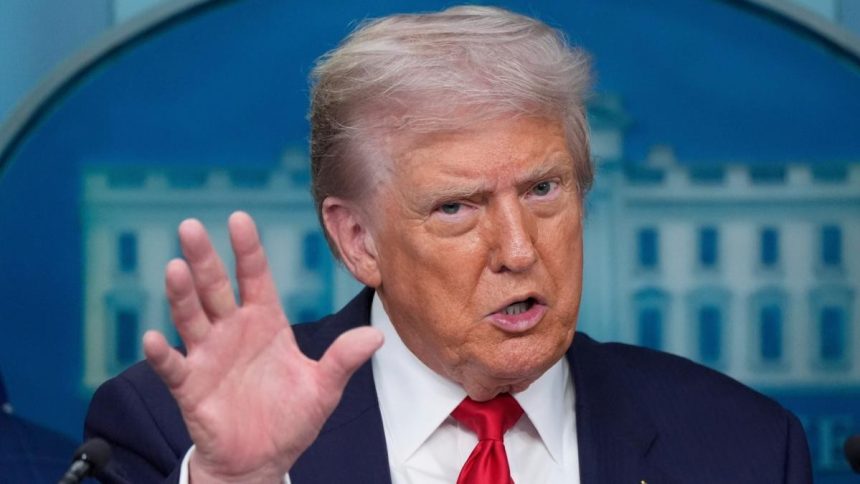
Trump’s presidency introduces a different tone to U.S. involvement. His position has consistently leaned toward reassessing the scale and purpose of American support, particularly in terms of cost and long-term commitment.
Rather than framing the war as an open-ended responsibility, his approach places emphasis on negotiation and burden-sharing.
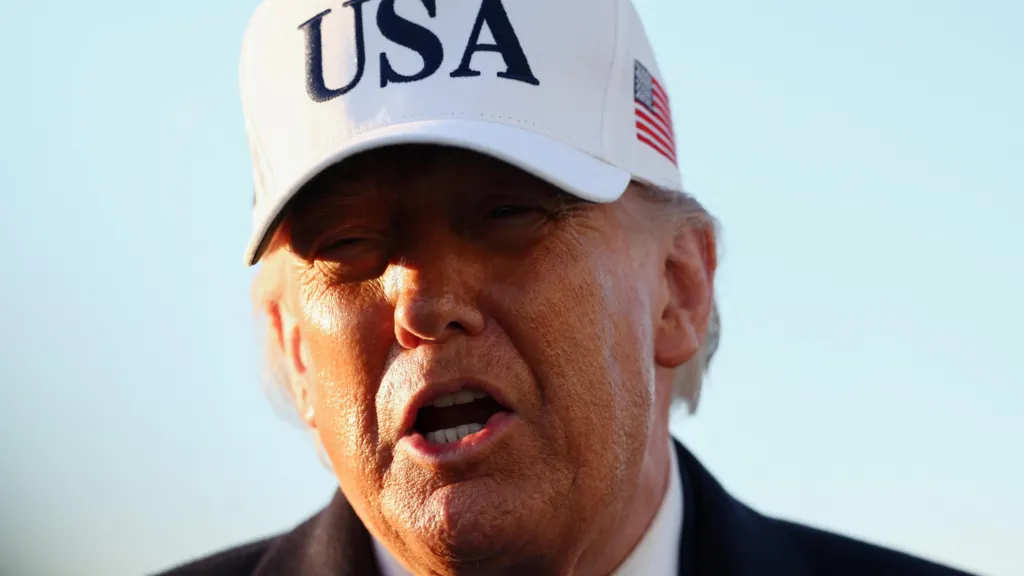
He has argued that European nations, given their proximity to the conflict, should take on a greater share of the responsibility.
This does not amount to a complete withdrawal of support, but it signals a shift in priorities.
Under such an approach, assistance to Ukraine becomes more conditional, and the push for a negotiated settlement becomes more pronounced.
Why U.S. Power Extends Beyond Military Aid
What makes the United States central to the conflict is not only the scale of its military support but the range of its influence.
Washington plays a leading role in shaping sanctions against Russia, targeting financial systems and energy revenues that fund the war.
At the same time, U.S. diplomatic weight helps maintain a unified front among allies.
The ability to align multiple countries behind a single strategy is a form of power in itself, one that has kept pressure on Moscow while sustaining support for Kyiv.
This combination of military, economic, and diplomatic influence means that even subtle changes in U.S. policy can shift the wider balance of the war.
Russia’s Calculations and the U.S. Factor
For Russia, the war is as much about resisting Western influence as it is about Ukraine. The Kremlin has long opposed the expansion of NATO and views U.S. involvement as a direct challenge to its strategic interests.
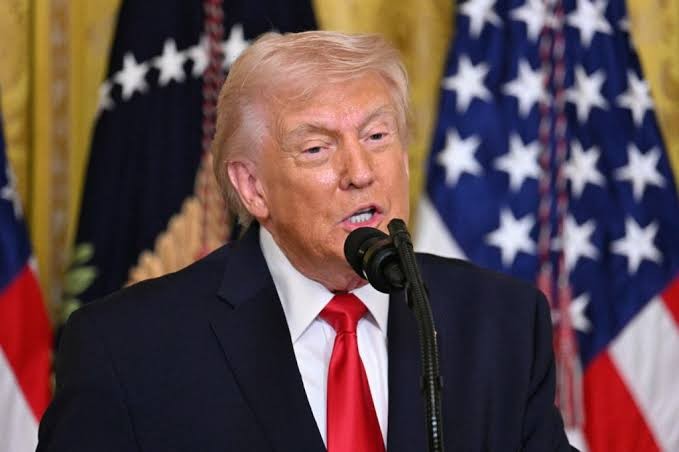
Because of this, Russia closely watches signals from Washington. Any indication of reduced U.S. commitment can alter its calculations, potentially strengthening its position both on the battlefield and in negotiations.
Ukraine at the Centre of a Larger Contest
Ukraine remains the focal point where these global tensions converge. While its forces continue to demonstrate resilience, the country’s long-term ability to sustain the war depends heavily on external support.
The United States, more than any other partner, provides the depth of resources required to maintain that resistance. This reality places American policy, and by extension, Trump’s decisions at the centre of Ukraine’s immediate future.
The global focus on Trump’s stance reflects an understanding that this war is not determined solely on the frontlines.
It is also shaped in political offices, budget approvals, and strategic decisions far from the battlefield.
Under Trump’s presidency, the direction of U.S. policy is being closely monitored for signs of change, whether toward continued support, stricter conditions, or increased emphasis on negotiation.
Each of these paths carries consequences, not just for Ukraine, but for the wider balance of power in Europe.
Trump’s influence over the Russia–Ukraine war is a function of the United States’ position in the global order.
As the primary source of support for Ukraine and the central coordinator of Western response, U.S. decisions remain critical to how the conflict evolves.