- China’s Ministry of Commerce has issued a prohibition order for domestic companies to disregard US sanctions imposed on five Chinese refineries.
- This move marks the first time Beijing has utilized its 2021 Blocking Rules, a legal tool designed to counter foreign extraterritorial measures.
- The US Treasury Department previously sanctioned these refineries for allegedly refining Iranian crude oil and generating billions in revenue for Tehran.
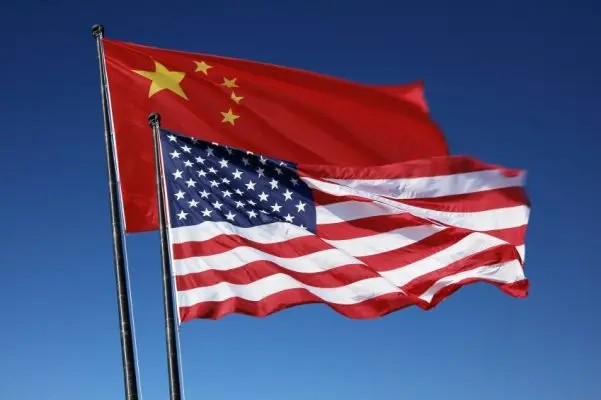
The United States and China have entered a direct legal confrontation over sanctions targeting Chinese refineries accused of processing Iranian crude oil.
Eko Hot Blog reports that the Beijing has rejected the US measures, arguing they violate international law, and has instructed domestic firms to continue business with the targeted entities.
EDITOR’S PICKS
- JAMB Delists 23 CBT Centres, Warns 89 After Mock UTME Review
- NASA Astronauts Return to Earth After First Human Trip to the Moon in 50 Years
- INEC Shifts Nationwide Voter Revalidation Until After 2027 General Election
Under China’s Anti-Foreign Sanctions Law and Blocking Rules, multinational companies and financial institutions now face a significant dilemma: complying with US sanctions could lead to penalties in China, while following Beijing’s directive could result in secondary sanctions from Washington, including the loss of access to the US dollar financial system.
The refineries protected by Beijing’s order include Hengli Petrochemical’s advanced Dalian facility and four independent “teapot” refineries: Shandong Jincheng Petrochemical, Hebei Xinhai Chemical, Shouguang Luqing Petrochemical, and Shandong Shengxing Chemical.
These independent processors have been major purchasers of discounted Iranian crude, providing a critical outlet for Tehran as the US continues its “maximum pressure” policy aimed at curbing Iranian oil exports.
Analysts have warned that this escalation could disrupt global energy markets and financial payment channels, especially if US sanctions are expanded to include Chinese banks.
The standoff occurs just weeks before a scheduled meeting between US President Donald Trump and Chinese President Xi Jinping, further complicating an already strained bilateral relationship and highlighting the growing fragmentation of the global sanctions regime.