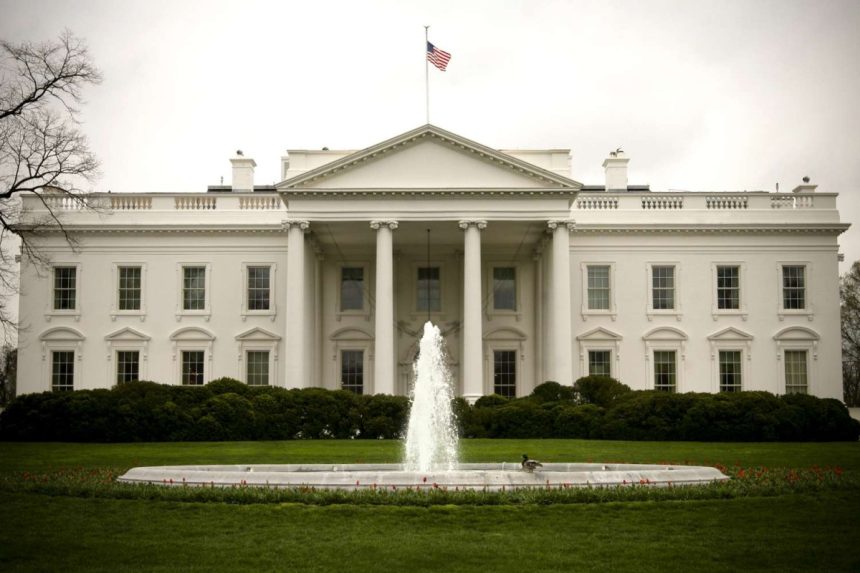
- If no agreement is reached by January 30, parts of the federal government would begin to shut down
- Meanwhile, some Republican senators have called for investigations into the Minneapolis shooting
- Schumer later indicated that Democrats are prepared to move ahead with the other five funding bills
U.S. lawmakers are facing mounting pressure this week as the possibility of a partial federal government shutdown grows, following Senate Democrats’ decision to oppose a key funding package in the aftermath of the fatal shooting of a Minneapolis resident by federal agents.
Eko Hot Blog reports that, with government funding set to expire on Friday, January 30, both parties have spent weeks trying to pass the remaining appropriations bills to keep federal agencies running. So far, six of the 12 funding bills have cleared Congress and have already been signed into law.
EDITOR’S PICK
- ADC Requests INEC Postpone FCT Area Council Elections
- Tope Alabi Welcomes Grandchild
- CBN to Introduce New Policy to Regulate Debit Card Issuance, ATM Operations
Attention has now shifted to the final six bills, which were approved by the House earlier this month and bundled together in the Senate to speed up consideration.
The package covers funding for the Departments of Defense, Labor, Health and Human Services, Education, Transportation, Housing and Urban Development, State, Treasury, and Homeland Security.
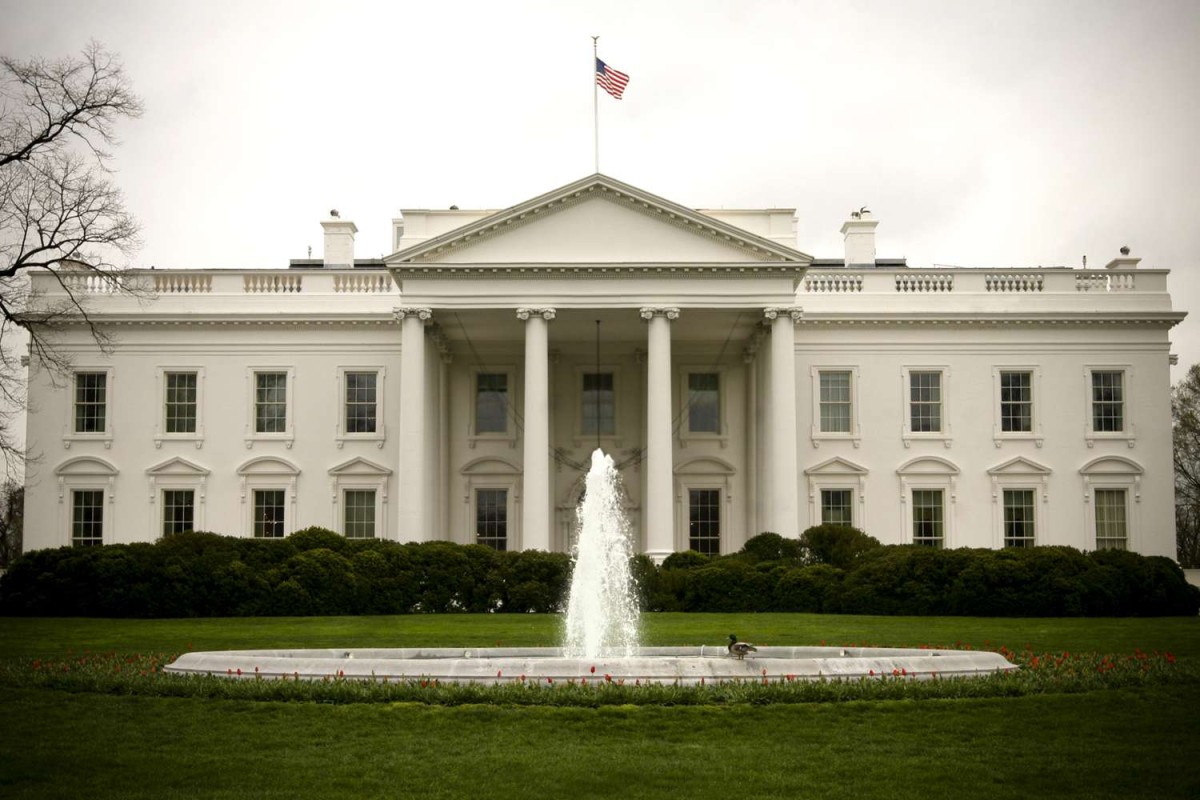
The inclusion of the Department of Homeland Security, which oversees Immigration and Customs Enforcement (ICE) and the Border Patrol, has become the major sticking point.
Senate Democrats have drawn a red line over DHS funding following the killing of 37-year-old Alex Pretti by Border Patrol agents in Minneapolis. Senate Minority Leader Chuck Schumer announced that Democrats would withhold support for advancing the package unless DHS funding is removed. With Republicans holding 53 seats, at least 60 votes are required to move the legislation forward, making Democratic backing essential.
Even independent Senator Angus King of Maine, who previously helped broker an agreement to end the longest shutdown in U.S. history, said he would not support a funding bill that includes DHS under the current circumstances.
“I hate shutdowns,” King said during a television interview. “But I can’t vote for a bill that includes ICE funding in this situation.”
King argued that the Senate could avoid a shutdown by separating the DHS bill from the rest of the package, allowing the other five measures to pass and fund the vast majority of government operations.
“If those bills pass, about 96 per cent of the federal government is funded,” he said, calling for DHS funding to be debated separately with stricter oversight and accountability.
Several Senate Democrats have endorsed this approach. Schumer later indicated that Democrats are prepared to move ahead with the other five funding bills while negotiations continue on DHS.
“Senate Republicans should work with Democrats to advance the other five bills as we revisit the DHS measure,” Schumer said, describing it as the most practical path forward.
However, it remains unclear whether Senate Republicans are willing to split the package, a move that would require unanimous consent. Republican leaders are expected to push ahead with the combined funding plan as originally scheduled.
The DHS funding measure has already faced resistance in the House, where some Democrats refused to back it over concerns that it lacked meaningful reforms to ICE following an earlier fatal shooting involving federal agents. Although the bill eventually gained limited Democratic support, top appropriators acknowledged it fell short of their reform goals.
Senator Patty Murray of Washington and Representative Rosa DeLauro of Connecticut, the leading Democratic appropriators, described the bill as a step forward but ultimately said it did not go far enough. Both have pledged to oppose it, with Murray stating that federal agents “cannot kill people in public and face no consequences.”
Meanwhile, some Republican senators have called for investigations into the Minneapolis shooting. Senators, including Bill Cassidy, Thom Tillis, Lisa Murkowski, and others, described the incident as disturbing and urged independent, transparent probes to restore public trust in federal law enforcement agencies.
Complicating matters further, severe winter weather in Washington has shortened the Senate’s working week. Lawmakers are now expected to return on Tuesday afternoon instead of Monday, reducing the already narrow window to pass funding legislation before the deadline.
If no agreement is reached by January 30, parts of the federal government would begin to shut down. However, the impact would be limited compared to previous shutdowns, as several departments — including Veterans Affairs, Agriculture, Commerce, Justice, and Energy have already received full-year funding and would continue operating normally.
As the deadline approaches, all eyes remain on the Senate to see whether lawmakers can bridge the divide or whether another shutdown will disrupt parts of the U.S. government.
FURTHER READING