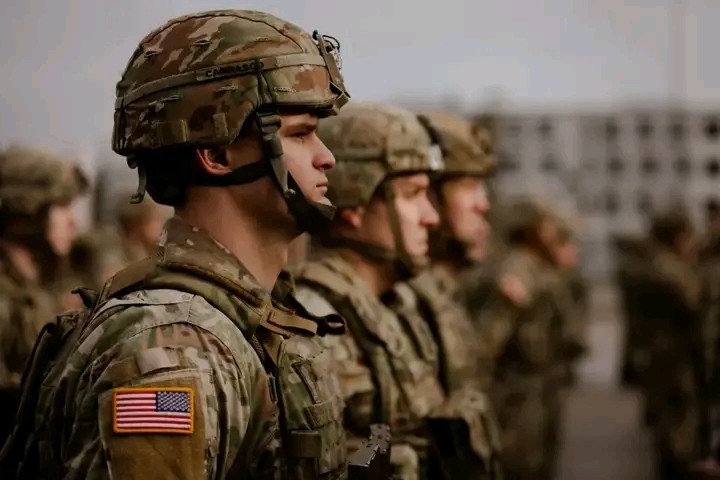
- The United States has withdrawn the majority of its special operations troops from the Lake Chad Basin following the completion of their counter-terrorism mission against Islamic State-linked militants.
- Nigeria’s Defence Headquarters and intelligence analysts clarified that the drawdown does not signal a rift, as essential bilateral cooperation, including intelligence sharing and technical training, remains fully active.
- Civil society groups and security experts urge the Federal Government to use this transition to enhance transparency in defense spending and build independent, sustainable national security institutions.
The recent announcement regarding the drawdown of United States troops from the Lake Chad Basin has sparked a significant national debate among security experts and civil society stakeholders.
Eko Hot Blog reports that the troops, who were deployed for a specialized counter-terrorism operation against Islamic State-linked militants, have largely completed their mission and departed, according to Gen. Dagvin Anderson, Commander of the US Air Forces in Africa.
EDITOR’S PICK
- Hamzat Appoints Obanikoro as Campaign DG Ahead of 2027 Lagos Governorship Race
- Tinubu’s State Police Plan Gains Momentum as Amendment Looms
- Residents Raise Alarm After Two Bodies Found in Lagos Waterway
While the news initially raised concerns about a potential shift in Washington’s commitment to regional stability, the Defence Headquarters quickly clarified that strategic bilateral cooperation, including vital intelligence sharing, technical logistics, and military training, remains fully intact.
Security analysts view this development not as a diplomatic rift, but as a deliberate pivot toward domestic ownership of defense strategies.
Kabir Adamu, the Managing Director of Beacon Security and Intelligence Limited, noted that the drawdown aligns closely with a strategic focus on ending long-term foreign military interventions.
He emphasized that the transition places the primary responsibility for regional security back onto partner nations, meaning Nigeria must actively step up to manage its internal security architecture effectively.
Because such operational shifts are standard practice in international military partnerships, the core foundation of US-Nigeria relations is expected to endure through ongoing intelligence collaborations rather than an active foreign boots-on-the-ground presence.
Adding to the call for internal reform, Auwal Musa, the Executive Director of the Civil Society Legislative Advocacy Centre, urged the federal government and citizens to view the troop departure as a moment for institutional reflection rather than anxiety.
Musa argued that no foreign military presence can substitute for robust governance, professional law enforcement agencies, and the political will needed to address the root causes of insecurity.
While acknowledging that the sudden reduction in external surveillance and tactical support might present brief operational hurdles in the field, he stressed that lasting peace requires substantial investments in economic development, transparency, and community resilience.
CISLAC highlighted that the fundamental issue facing the nation is ensuring that substantial defense budgets translate into measurable field victories and accountability.
Similarly, regional leaders have voiced mixed reactions, reflecting both hope and caution. Anthony Sani, the former Secretary-General of the Arewa Consultative Forum, expressed a degree of disappointment, noting that many had hoped the partnership would completely eradicate the insurgent threats plaguing northern communities.
With banditry, kidnappings, and extremist violence still disrupting daily life, Sani expressed hope that the United States would maintain a steady stream of intelligence sharing and hardware supply to ensure Nigerian forces are not left at a disadvantage.
Ultimately, the consensus among experts is clear: the fight against terrorism remains an inherently domestic responsibility, requiring Nigeria to fortify its own defense infrastructure to secure its borders permanently.