- The WHO further confirmed that six patients who had tested positive for Ebola have now recovered from the disease
- He noted that many individuals initially classified as suspected cases were later found to have other illnesses such as malaria or meningitis
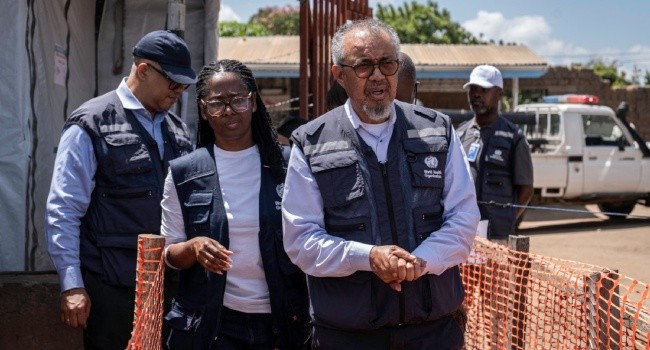
The World Health Organization (World Health Organization) has significantly revised downward the number of suspected Ebola cases in Central Africa, reporting 116 suspected infections compared to more than 900 recorded earlier.
In its latest update covering May 31, Eko Hot Blog gathered that the agency said that the reduction follows improved verification of cases in the Democratic Republic of Congo, where many previously listed suspected infections were later ruled out after testing.
EDITOR’S PICK
- APM Endorses Makinde For 2027 Presidency, Targets PDP Members In Osun
- Eredo Monarchs Suspend Ojude Oba Celebrations in Honour of Late Omola of Odomola
- “Do Not Cheat Back”—Actress Eriata Ese Warns Women Against Revenge Infidelity
According to WHO figures, 330 cases have now been confirmed across the region. Of these, 321 were recorded in the Democratic Republic of the Congo, with 48 fatalities, while neighbouring Uganda has reported nine confirmed infections, including one death.
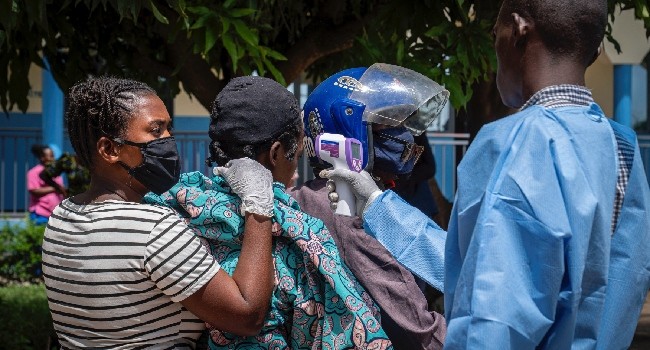
WHO spokesperson Christian Lindmeier explained that suspected cases often include anyone showing symptoms that could resemble Ebola until laboratory tests confirm or dismiss infection.
He noted that many individuals initially classified as suspected cases were later found to have other illnesses such as malaria or meningitis, leading to their removal from the Ebola tally.
The outbreak, first declared on May 15 in the conflict-affected Ituri province of eastern DR Congo, is linked to the Bundibugyo strain of the virus, which can initially present symptoms similar to common diseases like flu or malaria, making early detection difficult.
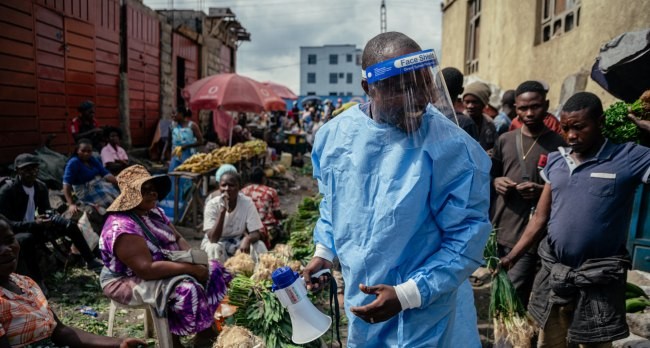
Health officials believe the virus may have been circulating undetected for weeks before the official declaration due to the similarity of its early symptoms to other illnesses.
Lindmeier added that case numbers are expected to fluctuate as testing continues, with confirmed cases steadily increasing while suspected cases are cleared or reclassified.
He also clarified that earlier figures listing deaths as “suspected Ebola fatalities” have been adjusted because many of those cases could not be independently verified, especially where testing was not possible.
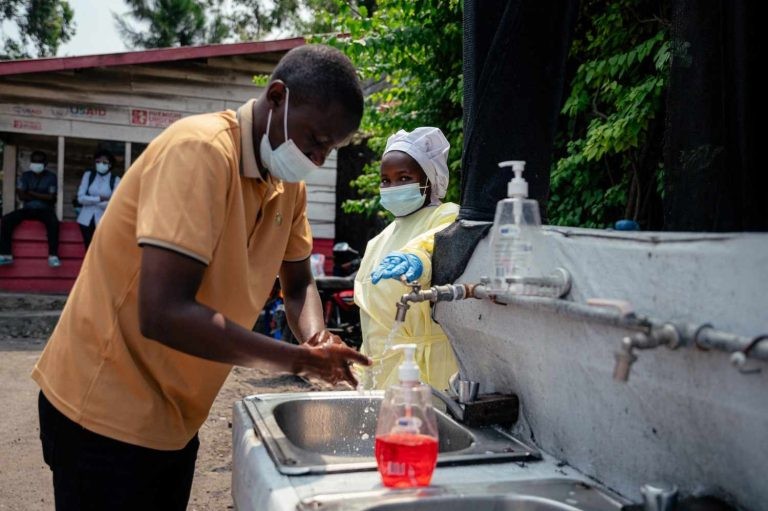
The WHO further confirmed that six patients who had tested positive for Ebola have now recovered from the disease.
Despite the outbreak, experts emphasise that tracking and testing remain the primary tools for containment, particularly because there is currently no approved vaccine or specific treatment for the Bundibugyo strain.
Health authorities continue to rely on surveillance, rapid diagnosis, and strict infection-control measures to prevent further spread of the virus across affected communities.
FURTHER READING