- He said cooperation between federal and state governments had played a major role in maintaining stability during the reform process
- He also praised state governors for supporting the reform agenda and helping citizens cope with the transition period
- The President assured Nigerians that efforts would continue to focus on reducing economic hardship
President Bola Tinubu has defended his administration’s decision to end fuel subsidy payments, saying the policy helped Nigeria avoid a severe financial crisis and created the conditions for economic recovery.
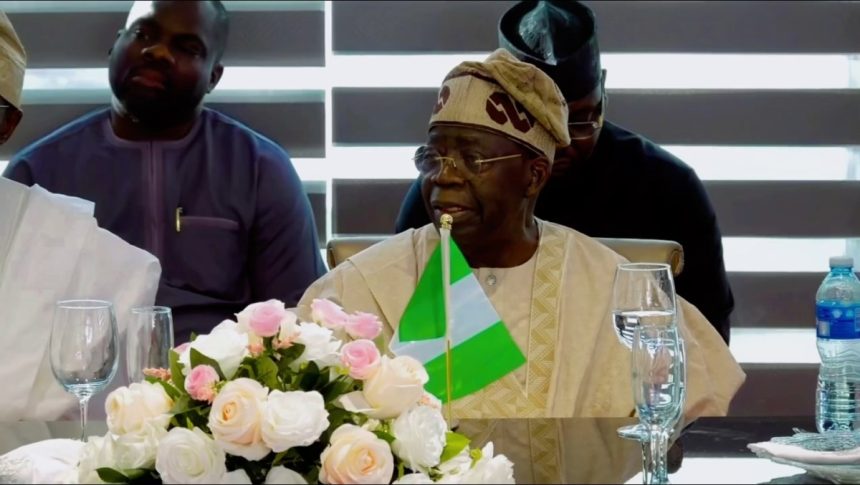
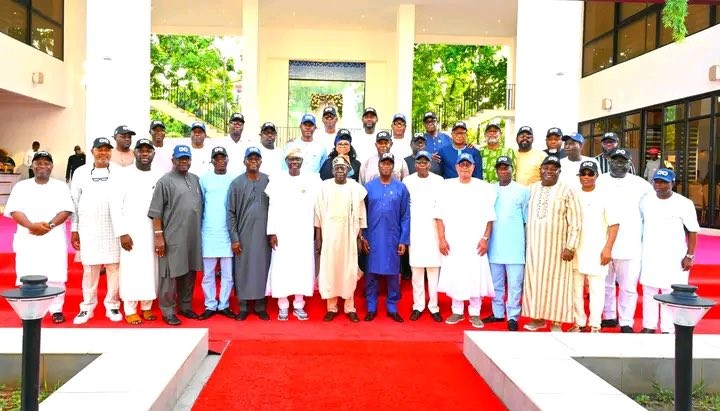
Eko Hot Blog gathered that the President made the remarks on Friday while receiving governors who visited him for the Eid-el-Kabir celebration and the commemoration of his third year in office.
EDITOR’S PICK
- Gov. Alex Otti Says Slashed State Debt by 60%, Completes 414 Roads In Few Years
- Nwoko Rejects APC Delta North Primary Result, Claims Victory Over Okowa
- Lagos Expands Infrastructure at Agbowa Timberville Project in Epe
According to a statement issued by his Special Adviser on Information and Strategy, Bayo Onanuga, Tinubu said the subsidy regime had become unsustainable and was placing enormous pressure on the country’s finances.
He acknowledged that the policy caused hardship for many Nigerians but argued that the decision was necessary to prevent the economy from slipping into deeper difficulties.

Tinubu stated that despite criticism, legal challenges and public opposition that followed the announcement, the reforms had helped stabilise the economy and support growth in key sectors.
He pointed to developments in agriculture, infrastructure, fiscal management and foreign exchange reforms as evidence that the country was gradually benefiting from the measures introduced by his administration.
The President assured Nigerians that efforts would continue to focus on reducing economic hardship, creating employment opportunities, improving food production and expanding social intervention programmes.
He also praised state governors for supporting the reform agenda and helping citizens cope with the transition period.
According to Tinubu, increased revenue allocations to states have improved their financial capacity, enabling many of them to meet salary obligations and execute development projects without relying heavily on federal assistance.
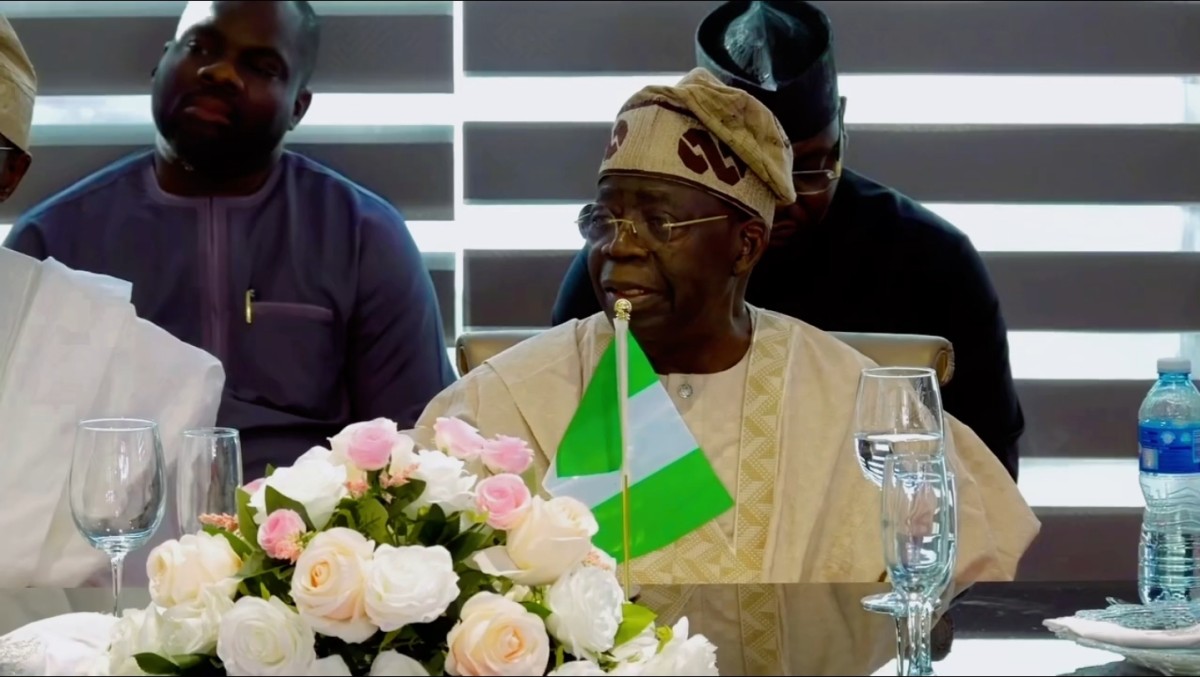
He said cooperation between federal and state governments had played a major role in maintaining stability during the reform process.
The President further expressed optimism about the future of the agricultural sector, noting that Nigeria possesses the resources needed to achieve greater food self-sufficiency if available land is properly utilised.
Vice President Kashim Shettima also defended the subsidy removal policy, describing it as a bold but necessary step taken to address long-standing structural problems within the economy.
He said the administration chose to confront difficult economic realities rather than postpone critical decisions.
Speaking on behalf of state governors, Chairman of the Nigeria Governors’ Forum and Governor of Kwara State, Abdulrahman Abdulrazaq, said the reforms had significantly boosted state revenues.
He noted that many states had used the additional funds to clear outstanding salary and pension obligations while investing in infrastructure and social programmes.
Abdulrazaq added that stronger state finances had reduced dependence on borrowing and suggested that authorities consider a new national minimum wage benchmark of ₦100,000.
Also speaking, Chairman of the Progressive Governors Forum and Governor of Imo State, Hope Uzodinma, commended the administration’s economic reforms, saying they had helped steady the country during a challenging period.
The governors attended the gathering as part of Sallah celebrations with the President and discussions on the administration’s achievements over the past three years.