- The WHO has declared the MV Hondius hantavirus outbreak officially over
- The outbreak recorded 12 confirmed cases and three deaths
- The agency will continue research to improve future outbreak response
The World Health Organization (WHO) has officially declared the hantavirus outbreak linked to the cruise ship MV Hondius over after the last person under monitoring completed quarantine without testing positive for the virus.
Eko Hot Blog gathered that the he outbreak, which raised global health concerns, resulted in 12 confirmed infections, one probable case and three deaths.
EDITOR’S PICK
- UN Mobilizes Humanitarian Aid For Venezuela Following Twin Earthquakes
- Dollar To Naira Exchange Rate Today, June 26, 2026
- Concerns As Repentant Boko Haram Members Allegedly Join Army Recruitment
Speaking at a press briefing on Thursday, WHO Director General Tedros Adhanom Ghebreyesus said the final individual who had been exposed to the virus tested negative after completing the required isolation period.
He added that no new infections had been reported since May 25, allowing the organisation to formally close the outbreak.
The Dutch flagged expedition vessel departed Ushuaia, Argentina, on April 1 for a voyage through remote South Atlantic islands, including Tristan da Cunha, before heading to Tenerife in Spain’s Canary Islands, where the remaining passengers were evacuated.
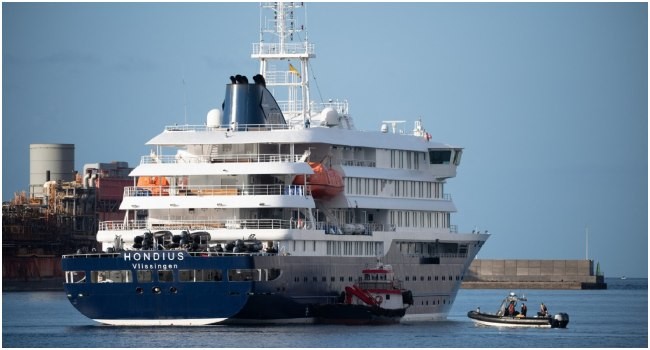
The ship later arrived in Rotterdam, the Netherlands, on May 18 and resumed operations after extensive cleaning and disinfection, receiving clearance to sail again on May 30.
According to Tedros, health authorities tracked more than 650 people who had contact with infected individuals across 33 countries and territories during the response effort.
Although the immediate health emergency has ended, he said the WHO will continue research to better understand the disease and support the development of improved diagnostic tools, treatments and vaccines.
The international health agency is coordinating a study involving researchers from 21 countries to examine how the virus spreads and progresses in infected patients.
Hantavirus is primarily transmitted by rodents, and there are currently no approved vaccines or specific antiviral treatments for the disease.
The Andes strain responsible for the MV Hondius outbreak is unique because it is the only known hantavirus capable of spreading from one person to another.
Investigators initially believed the virus originated from a passenger who had travelled through an area of Argentina where the disease is common. However, a later investigation by Argentine health authorities failed to find infected rodents in another province that had been examined.
WHO’s lead on high impact epidemics, Diana Rojas Alvarez, said that while the cruise ship outbreak no longer poses a public health threat, hantaviruses remain a concern in parts of South America and other regions where they are naturally present.
She stressed the need for continued surveillance, scientific research and stronger community preparedness to reduce the impact of future outbreaks.
The WHO also expressed hope that lessons learned from the incident would encourage member states to finalise the remaining elements of the global Pandemic Agreement, which is expected to be completed later this month.
FURTHER READING