Although inflationary pressures have eased significantly compared to the crisis levels recorded a year ago, the latest Consumer Price Index (CPI) report shows that household budgets remain under strain as prices continue to climb across key sectors of the economy.
EDITOR’S PICK
- Federal Lawmaker Yaya Tongo Dies In Abuja Hospital
- Rep. Wale Raji Celebrates Alhaja Aduke Salimot Seriki on Birthday
- Nancy Isime Recalls Alex Ekubo’s Fearless Humor, Generosity at Late Actor’s Tribute
The NBS reported that Nigeria’s headline inflation rate rose to 15.93 per cent in May 2026, marking the third consecutive monthly increase this year. The figure represents a gradual but persistent upward movement from 15.38 per cent in March and 15.69 per cent in April, raising concerns that inflation may be entering another period of sustained pressure.
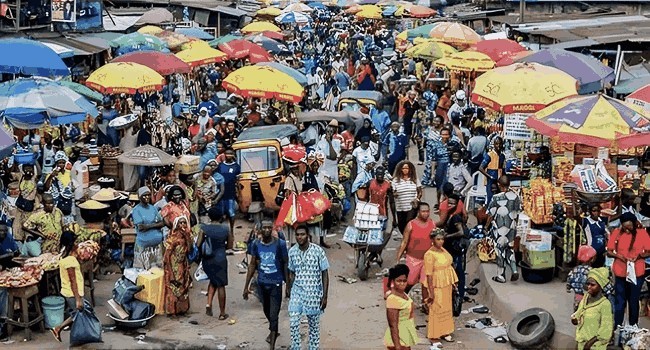
While economists may find comfort in the slower pace of monthly price increases, ordinary Nigerians are finding little relief at the checkout counter.
At major markets across Lagos, Kano, Port Harcourt and Abuja, traders and consumers say food prices remain stubbornly high despite signs of moderation in overall inflation.
The latest figures reveal that food and non-alcoholic beverages remain the single largest contributor to inflation, accounting for more than six percentage points of the annual rate. Essential staples including onions, tomatoes, maize, cassava products, yam, fresh pepper, cowpea, ginger and plantain continued to record price increases.
For many families, food expenditure now consumes a larger share of household income than ever before.
“The inflation rate may be lower than last year, but prices are not coming down,” said a Lagos-based civil servant who spends significantly more on groceries than she did six months ago. “Every visit to the market requires extra money.”
The NBS report supports such sentiments. Although food inflation slowed to 16.96 per cent compared to 24.55 per cent a year earlier, food prices still increased by nearly three per cent within a single month.
Beyond food, Nigerians are also contending with rising costs in transportation, housing, electricity, healthcare, education and hospitality services.
Transport contributed 1.70 percentage points to headline inflation, while housing, water, electricity, gas and other fuels accounted for 1.34 percentage points. Education and healthcare also remained major sources of financial pressure on households.
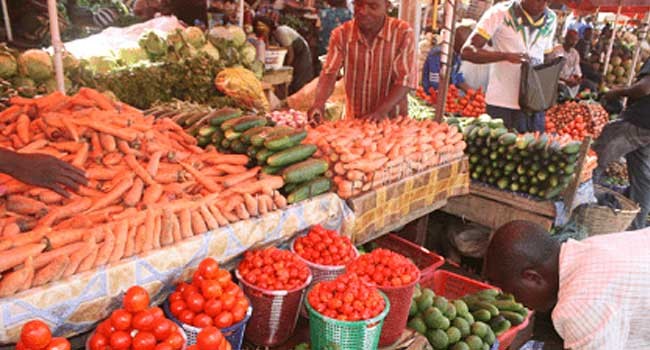
Particularly worrying is the rise in core inflation, which excludes volatile food and energy prices. Core inflation climbed to 16.82 per cent year-on-year, while its monthly rate nearly doubled from 1.03 per cent in April to 1.94 per cent in May.
This trend suggests that inflationary pressures are becoming more deeply rooted in the broader economy rather than being limited to seasonal food supply challenges.
Analysts say several factors continue to fuel price increases, including insecurity in farming communities, high logistics costs, exchange-rate pressures, global market uncertainties and rising service-sector charges.
The inflation story, however, differs sharply across Nigeria’s states.
Residents of Yobe faced the highest annual inflation rate at 24.94 per cent, followed by Anambra and Sokoto, where prices rose above 22 per cent. In contrast, Niger State recorded the lowest inflation rate at just 3.07 per cent.
Food inflation showed even wider disparities. Adamawa posted the highest annual food inflation rate at 29.62 per cent, while Borno experienced food deflation, indicating a decline in food prices.
Such variations highlight the complex nature of inflation in Nigeria, where local factors including security conditions, transportation networks, agricultural output and market accessibility often determine the prices consumers pay.
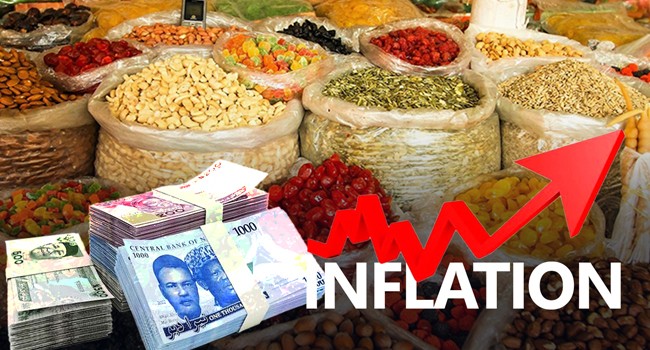
Despite the latest increase, the broader picture shows improvement compared to the inflation crisis of 2025. Headline inflation stood at 26.06 per cent in May last year, while the average inflation rate over the previous 12 months reached 30.57 per cent. Today, that average has fallen to 18.36 per cent.
Yet for many Nigerians, statistical improvements have not translated into meaningful reductions in living costs.
As the economy navigates ongoing reforms and global uncertainties, the challenge facing policymakers remains clear: how to sustain the downward trend in inflation while ensuring that the benefits are felt in household kitchens, transport fares, school fees and healthcare bills.
Until then, Nigerians may continue to celebrate lower inflation rates on paper while paying higher prices in reality.
FURTHER READING