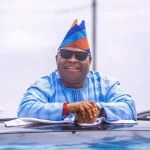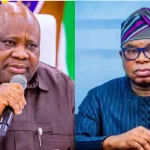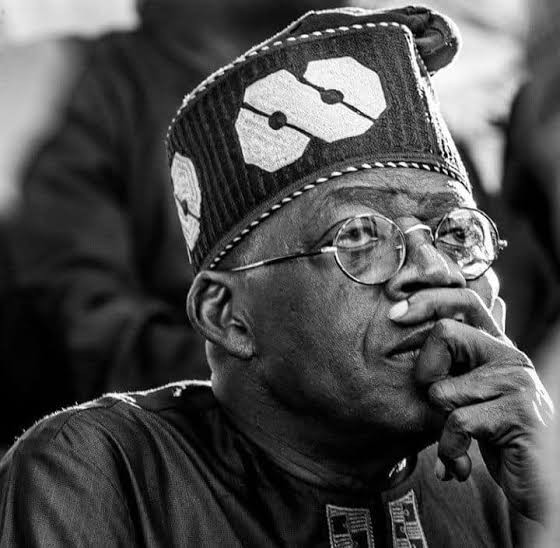
The Osun governorship election appears to be one of those moments, and for President Bola Ahmed Tinubu, it should not be treated merely as another state election that has come and gone, but as an early warning about the complexity of the road to 2027 as he seeks re-election.
EDITOR’S PICK
- Beyond the Glamour: The Hidden Price Celebrities Pay for Looking Perfect
- Hamzat Gives Condition for Reconstruction of Alaba Market Roads
- Lagos Must Prepare for Next Pandemic, Health Commissioner Warns
Consider the symbolism of what happened. Former governors and major political figures who have spent decades building political structures and commanding influence found themselves confronted with a rather humbling reality at their own polling units.
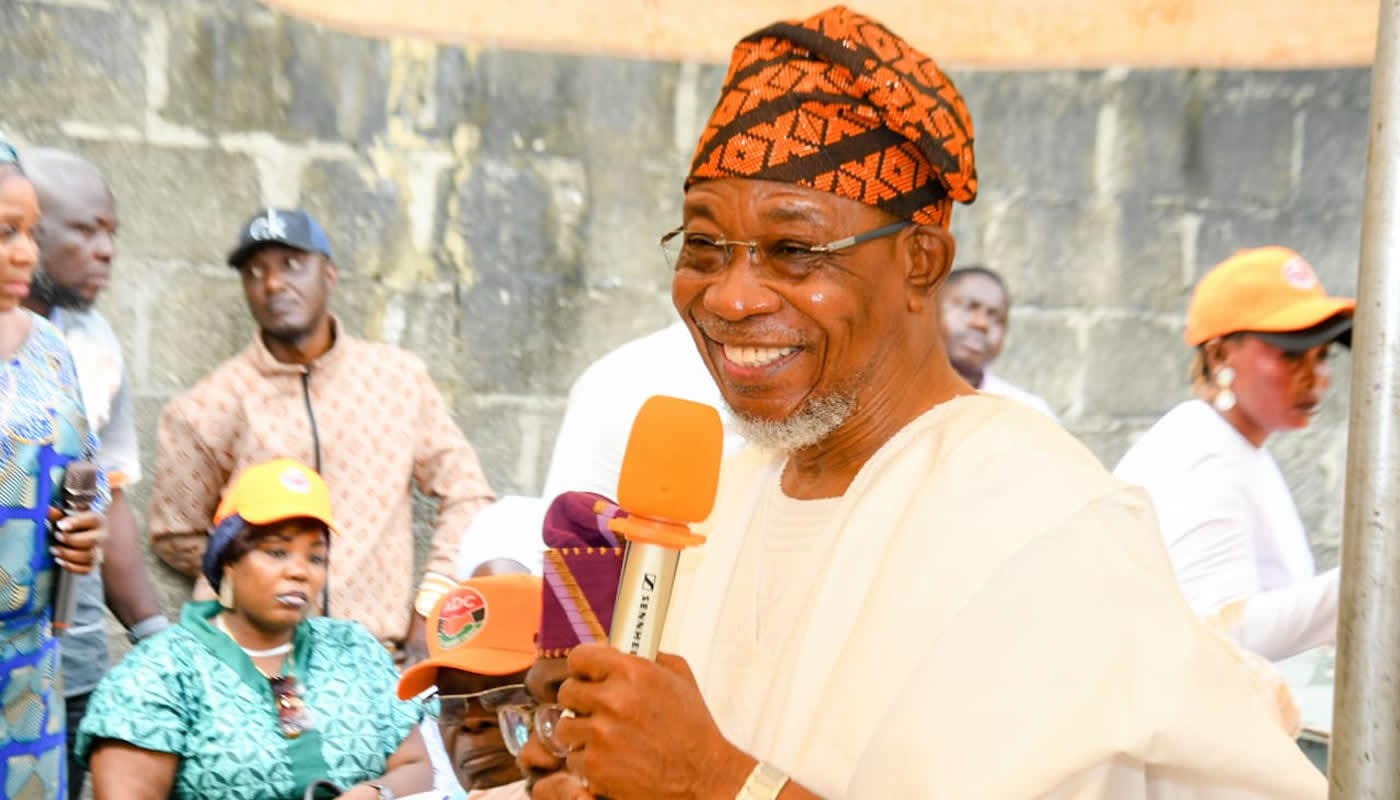
Rauf Aregbesola, one of the most influential political figures to emerge from Osun in recent decades, lost his polling unit; former governor Olagunsoye Oyinlola also lost his polling unit, while former deputy governor, former senator and former APC National Secretary, Iyiola Omisore, equally lost his polling unit to Accord.
That should make every serious political strategist pause, because if political influence could not guarantee victory even at the polling unit of some of its most prominent custodians, then the Nigerian political establishment needs to rethink what it means to actually possess political strength.
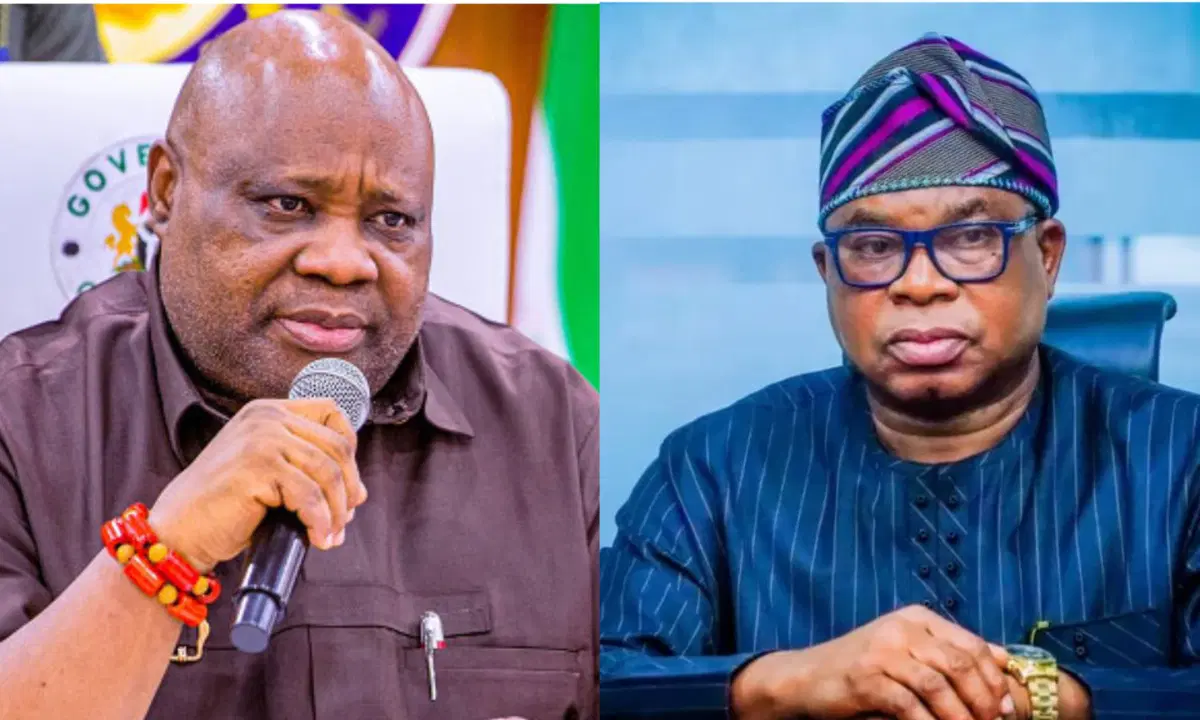
The larger result is even more instructive. Governor Ademola Adeleke, contesting under the Accord Party, defeated the APC candidate, Bola Oyebamiji, with 511,067 votes against 444,815, winning 19 of the state’s 30 local government areas.
The significance is not that Accord suddenly became a political giant overnight; rather, it is that a candidate operating outside the conventional national machinery of the governing party was able to withstand the weight of established political structures and emerge victorious. That distinction matters enormously as the APC begins to calculate the politics of 2027.
Mr President, permit me to say this respectfully: Osun should be studied, not explained away. It would be easy for political actors to reduce the outcome to local factors, personality clashes, campaign dynamics or the peculiarities of Osun politics.
All of those factors may have played a role, but beneath them is a deeper message about the Nigerian voter. Political structures matter, endorsements matter, governors matter, senators matter and the machinery of a governing party matters, but none of these is a perfect substitute for the acceptance of the electorate.
The party structure can deliver delegates; it cannot necessarily deliver voters. An endorsement can secure a ticket; it cannot guarantee affection. A convoy can attract a crowd; it cannot determine what happens behind the privacy of the ballot box.
This is where I believe the President must be particularly strategic as 2027 approaches. Your political instrument is formidable, and few politicians in contemporary Nigeria understand the mechanics of power as intimately as you do.
You know how to build alliances, how to manage competing interests and how to turn political relationships into formidable structures. But precisely because you possess such influence, you must be careful not to allow the strength of your political machinery to create the illusion that everyone standing within that machinery enjoys the same level of acceptance among the people.
There is a profound difference between access and acceptance. A politician may have access to the President, access to governors, access to senators and access to the highest levels of the party, yet remain deeply unpopular in his own constituency.
Another politician may not be a regular visitor to Abuja, may not have the loudest political profile and may not command the attention of the political establishment, yet possess an extraordinary relationship with the people who actually vote. The first may look stronger from Abuja; the second may be stronger on election day.
This is the lesson that the defeat of political heavyweights at their own polling units should force us to confront.
The ballot does not recognise former offices. It does not recognise the number of political meetings one has attended, the number of influential people one knows or the number of photographs one has taken with political leaders.
The ballot recognises only the decision of the voter at the moment of choice. Yesterday’s influence does not automatically become today’s vote, and yesterday’s political structure does not automatically survive into tomorrow’s election.
There is also a dangerous assumption within our political culture that the Nigerian voter can always be managed. Yes, vote buying exists. Yes, politicians distribute money and material inducements during elections. Yes, economic hardship makes some voters susceptible to whatever assistance is offered. But it would be a grave mistake to conclude from this that the voter has surrendered his political will. A man can collect your money and still vote according to his conscience; he can attend your rally, wear your branded shirt, cheer your candidate and still make a completely different choice when he is alone with the ballot paper. The Nigerian voter may be economically vulnerable, but that does not mean he is politically empty.
The voter remembers. He remembers the politician who appeared only during election season. He remembers the promise that was made and forgotten. He remembers the community that was neglected. He remembers the person who treated him with dignity and the person who treated him as an instrument. He remembers the candidate whose antecedents trouble him and the one whose record gives him confidence. Sometimes these memories are invisible to political strategists because they do not appear in spreadsheets, party reports or Abuja briefings, but on election day they can become decisive.

Mr President, this is why I would urge you to be wary of the political echo chamber that can develop around power. Every powerful leader attracts people who understand how to navigate the corridors of power, and over time, some of them can become so influential that they begin to determine what the principal hears, who gets access and which version of reality reaches the decision-making table.
The danger is not necessarily that these people deliberately want to mislead the leader; sometimes the problem is that they themselves have become detached from the realities of the communities they claim to represent.
This is the danger of what I would call the Abuja boys. Not every person who works in Abuja belongs to this category, of course, but there is a political mentality that can mistake proximity to power for ownership of the political reality.
It is possible for a candidate to have twenty powerful people standing behind him in Abuja and still have very little genuine support in his ward. It is possible for political associates to assure the President that the structure is intact when the structure is quietly collapsing. It is possible for people to interpret every criticism as sabotage, every warning as disloyalty and every complaint from the grassroots as the work of enemies.
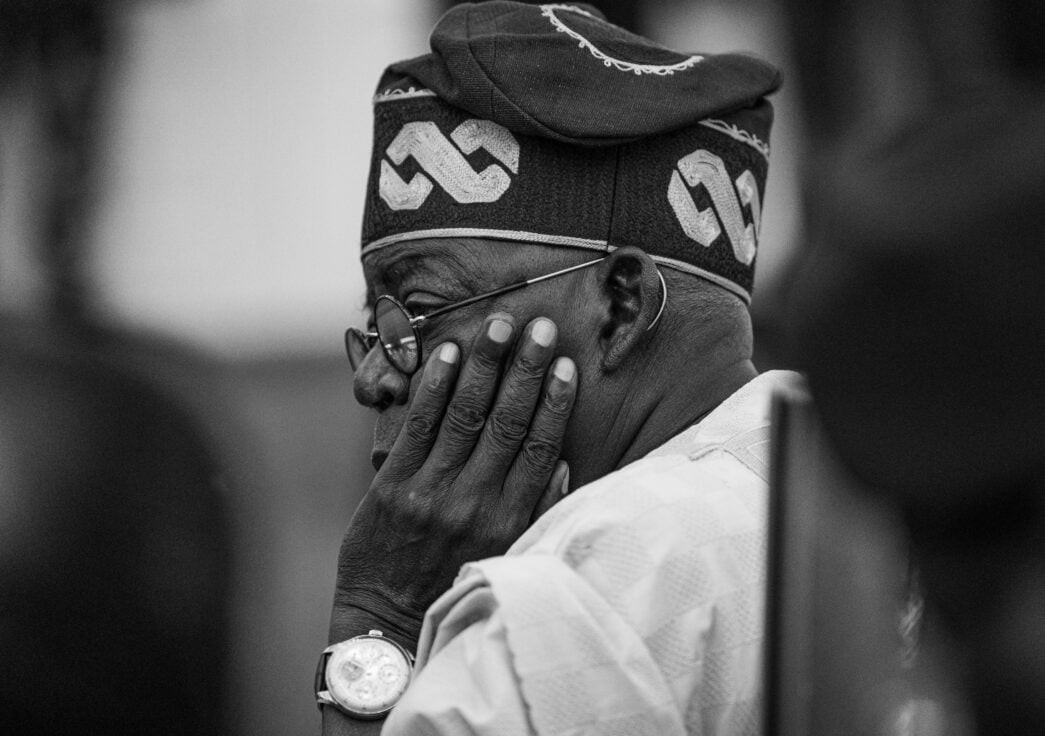
That is where those around you can, ironically, become a danger to the political structure they claim to be protecting. They can strangulate the President politically by insulating him from inconvenient truths.
The people around you should therefore include men and women who are willing to tell you when a candidate is unpopular, when a political arrangement is failing, when a party member is genuinely aggrieved and when a particular political choice could become an electoral liability. The person who tells a leader only what he wants to hear may be loyal to his own access; the person who tells him what he needs to hear may be loyal to his legacy.
And this brings us to the question of candidates. Mr President, there is nothing inherently wrong with a President having political preferences or supporting people he trusts. Politics is built around relationships, loyalty and shared interests. But there is a point at which political preference must give way to electoral realism.
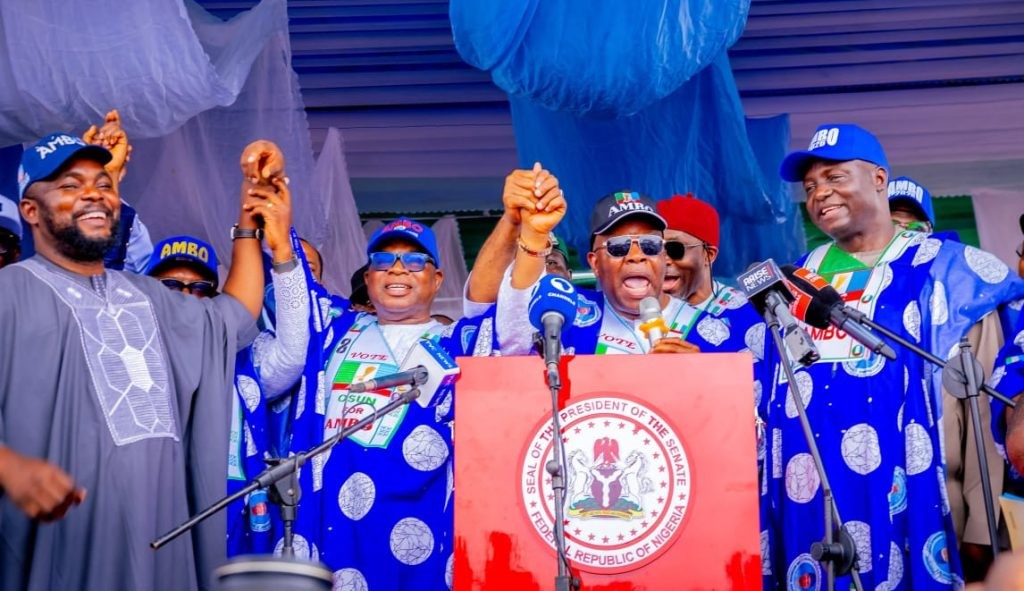
If the political instrument at your disposal identifies a candidate who is deeply unpopular, has serious antecedents or cannot command the confidence of the people, there must be the courage to reconsider that choice.
The ability to change a political calculation before an election is not weakness; it is strategic intelligence.
The question should therefore not simply be, “Can this person win the party ticket?” The more important question is, “Can this person win the people?” Those are not necessarily the same thing. A candidate can defeat his opponents in a primary because he has superior delegate mobilisation and then discover that the wider electorate is not prepared to accept him.
A party can produce a candidate through a perfectly legal internal process and still present someone whose political baggage becomes too heavy for the electorate to carry.
This is where genuine reconciliation becomes indispensable. Nigerian political parties often remember reconciliation only after the election, when the damage has already been done. We hold elaborate meetings, take photographs, issue statements about unity and declare that all is forgiven, while the underlying grievances remain unresolved. That is not reconciliation; it is political theatre.
Genuine reconciliation requires listening to the people who feel excluded, restoring dignity to those who feel humiliated and finding meaningful ways to keep defeated aspirants and their structures within the larger political family.
A person who loses a primary does not suddenly lose every person who supports him. A former aspirant who controls a ward today may determine the fate of a candidate tomorrow. A politician who feels deliberately humiliated may not openly defect, but his supporters may quietly withdraw their enthusiasm. Politics is full of silent consequences, and sometimes the most dangerous rebellion is not the one announced at a press conference but the one that manifests as indifference on election day.

That is why reconciliation must be treated as an electoral strategy, not an act of political charity. If the APC is serious about 2027, it must be prepared to reconcile before the election rather than begin searching for reconciliation after defeat. It must understand that political victories are rarely sustained by one faction alone. The party needs the people who won the primary, the people who lost it, the people who supported them and the grassroots structures that existed before the contest began.
There are loopholes and lapses everywhere, and Osun has exposed some of them. The assumption that powerful personalities automatically transfer their influence to candidates has been challenged. The assumption that party machinery is synonymous with voter loyalty has been challenged. The assumption that political endorsements automatically translate into electoral acceptance has been challenged. Even the assumption that a political heavyweight necessarily controls his own polling unit has been dramatically challenged.
The wise political response is not denial but adaptation.
This is why 2027 must not be approached with complacency. The election is still ahead, which means there is still time to correct weaknesses that are visible today.
There is time to review candidates, repair broken relationships, strengthen ward structures and identify political actors whose influence is genuinely rooted in the communities they claim to represent. There is time to ask uncomfortable questions about people who may be politically convenient but electorally vulnerable. There is time to distinguish loyalty from sycophancy and access from acceptance.
The APC must also understand that Nigeria cannot be politically managed from one template. The dynamics of Osun are not the dynamics of Lagos; Lagos is not Ogun; Ogun is not Oyo; Oyo is not Kaduna; Kaduna is not Kano; Kano is not Rivers; Rivers is not Enugu. Every state has its own history, grievances, personalities, alliances and political fault lines. A strategy that works in one state may collapse in another because the people are not merely responding to party labels; they are responding to local memories and lived experiences.

Mr President, you have the advantage of time. That advantage should not be wasted. The 2027 election is still sufficiently far away for strategic corrections to be made without the desperation that usually accompanies the final months of a campaign. This is the period when political leaders should be listening more than speaking, studying more than celebrating and correcting more than defending.
You should listen to governors, but not only governors. Listen to senators, but not only senators. Listen to ministers, party leaders and political advisers, but also listen to ward chairmen, youth leaders, women leaders, market associations, traditional communities, ordinary party members and voters who have no route into the Presidential Villa. Sometimes the person who cannot afford to travel to Abuja understands the political mood of his community better than the person who attends every meeting in Abuja.
There is an old political lesson that every leader eventually learns: the palace can become very quiet while the street is becoming very loud. The problem is that the people inside the palace often hear the quiet and assume that the country is quiet too. The wise leader finds ways to hear the street before the street becomes a political earthquake.
Osun has whispered. The question is whether Abuja is listening.
The loss of their polling units by Aregbesola, Omisore and Oyinlola should not become material merely for social media jokes or partisan celebrations. It should instead be treated as political evidence that political romance, alliances and relationships can change within a matter of seconds in politics. Political capital depreciates, relationships shift, loyalties change, voters evolve and circumstances alter. Yesterday’s political hero can become today’s liability if he stops listening to the people.
Mr President, this is ultimately what I am asking you to consider as you prepare for 2027: be strategic, be politically alert and be willing to change course. Do not allow the desire to reward loyalty to override the necessity of choosing candidates who can actually connect with the electorate.
Do not allow people around you to convince you that every unpopular candidate is popular simply because powerful people support him. Do not allow political grievances to fester until they become electoral rebellions. And above all, do not confuse the size of the political machine with the depth of the people’s trust.
There is still time to listen. There is still time to reconcile. There is still time to review. There is still time to replace where necessary. There is still time to close the loopholes and repair the lapses that Osun has exposed.
The 2027 election will not ultimately be won in the Presidential Villa, at a governors’ forum or in the meeting room of a political party. It will be won in thousands of communities, wards and polling units where ordinary Nigerians will make extraordinary decisions that powerful people cannot make for them.
The ballot has no protocol. It does not recognise a former governor, a senator, a minister, a godfather or a presidential endorsement. It does not know who attended the last meeting in Abuja. It simply records the choice of the voter.
And the voter, as Osun has reminded us, still has a will. Mr President, listen while the people are still whispering.
FURTHER READING
- How Lagos Achieved 57.4% Exclusive Breastfeeding Rate
- Nigeria Has Joined WEC to Lead, Not Just Participate – Tinubu
- Alausa Reviews NESRI Progress, Sets Fresh Push for Outstanding Deliverables
Click here to watch video of the week
Kehinde Micheal Adeleye is a Lagos based Journalist and Editor at EKO HOT BLOG