- FG urged South Africa to take concrete steps to end attacks on Nigerians
- Nigeria said 98 Nigerians have died in Afrophobic attacks since 2022
- South Africa pledged to combat xenophobia while enforcing its immigration laws
The Federal Government has renewed its call on South African authorities to take decisive measures to end the recurring xenophobic attacks targeting Nigerians and other African migrants.
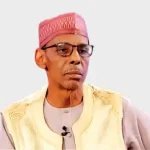
Speaking on Monday during a meeting with South Africa’s Minister of International Relations and Cooperation, Ronald Lamola, who is in Nigeria as a special envoy of President Cyril Ramaphosa, Eko Hot Blog reports that the Minister of State for Foreign Affairs, Ambassador Sola Enikanolaiye, expressed concern over the repeated violence against Nigerians living in South Africa.
EDITOR’S PICK
- Tinubu Approves Army Expansion, Recruitment of 28,000 Personnel
- Aregbesola Claims Record as First Nigerian Governor to Serve Eight Years Without Owning a House
- Ikosi-Ejinrin LCDA Commissions Fully Equipped NSCDC Divisional Headquarters, Donates Patrol Vehicle and Motorcycle to Boost Security
Enikanolaiye said the attacks have become a recurring pattern spanning several decades, citing incidents recorded in 1995, 1998, 2006, 2015, 2016, 2019, 2021, 2024 and 2026.
According to him, official records show that 98 Nigerians have lost their lives in mob attacks and hate-related incidents since 2022, describing the trend as a form of Afrophobia largely directed at African nationals, especially Nigerians.
While acknowledging South Africa’s commitment to maintaining cordial relations with Nigeria, the minister insisted that goodwill must be backed by practical steps capable of restoring confidence and guaranteeing the safety of foreign nationals.
He stressed that migration is a global reality and maintained that anyone accused of committing crimes should be prosecuted through the legal system rather than subjected to mob violence.
Enikanolaiye noted that Nigeria does not defend criminal activities such as drug trafficking but insisted that suspects must be treated in line with the South African Constitution, international human rights standards and the rule of law.
He also argued that the attacks had extended beyond alleged criminals, pointing out that many Nigerians with valid immigration documents had equally become victims of the violence.
The minister expressed concern over reports that security personnel had, in some instances, failed to intervene during attacks, raising questions about the responsibility of state authorities to protect residents and foreign nationals alike.
He disclosed that President Bola Tinubu directed the meeting to openly address the recurring attacks and seek lasting solutions to the crisis.
Enikanolaiye further recalled Nigeria’s historic support for South Africa during the struggle against apartheid and highlighted the longstanding cooperation between both countries in advancing African integration through institutions such as the African Union and the New Partnership for Africa’s Development.
Describing the humanitarian impact of the attacks, he revealed that about 1,500 Nigerians had been evacuated from South Africa in recent months.
He said the evacuation was emotionally difficult, recalling how many returnees, including women, children and elderly people, arrived in Nigeria after losing their homes, businesses and personal belongings.
According to him, such experiences should not define relations between two of Africa’s leading nations.
Responding on behalf of the South African government, Lamola reiterated President Ramaphosa’s opposition to xenophobia and all forms of intolerance.
He, however, maintained that South Africa would continue enforcing its immigration laws and dealing firmly with undocumented migrants and criminal activities within its borders.
Lamola said migration remains a continental challenge that requires cooperation among African countries, while emphasising South Africa’s commitment to maintaining strong diplomatic relations with Nigeria.
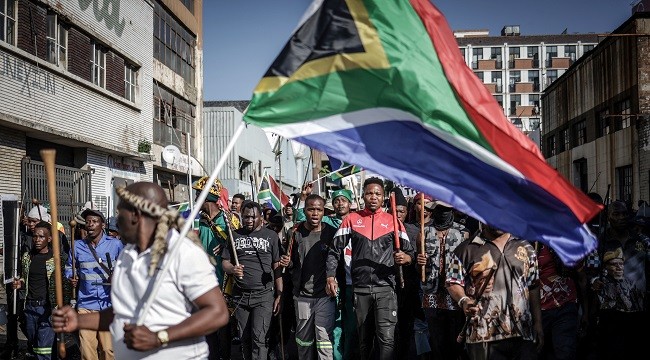
South Africa has experienced months of protests against migrants, with demonstrators accusing foreign nationals of contributing to crime, unemployment and pressure on public services.
Although South African police said at least four foreign nationals had died during the unrest, some African governments conducting evacuation exercises have reported higher casualty figures.
More than 160,000 people are estimated to have fled the country during the latest wave of violence, including about 1,500 Nigerians.
Analysts say South Africa’s economic challenges, including high unemployment, weak public services and rising crime, have fuelled anti-immigrant sentiment, with many migrants being unfairly blamed for broader socio-economic problems.
FURTHER READING