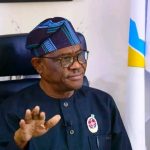
- Tinubu Launches New System to Lift 50 Million Nigerians Out of Poverty by 2030
- Over 63% of Nigerians currently face multidimensional poverty
- The rollout has drawn participation from key international partners, including the European Union, UNICEF, and the World Bank, alongside other stakeholders
President Bola Ahmed Tinubu’s administration has unveiled a new national framework aimed at lifting 50 million Nigerians out of poverty by 2030.
Eko Hot Blog reports that the initiative, known as the One Humanitarian–One Poverty Response System (OHOPRS), was introduced by the Minister of Humanitarian Affairs and Poverty Reduction, Bernard Doro, during a stakeholders’ workshop held at the UN House Abuja.
EDITOR’S PICK
- Alleged Abortion Case: NYSC Inspector Granted ₦500,000 Bail in Ogun
- Two Nurses Arrested as Sisters Die After Alleged Wrong Injection in Kebbi
- Lagos Taskforce Arrests Five Suspected ‘Omotaku’ Hoodlums
According to the minister, the new system signals a shift from simply managing poverty to creating a structured pathway that helps people move toward self-reliance. He noted that over 63% of Nigerians currently face multidimensional poverty, stressing the urgency for a more coordinated and effective response.
Doro highlighted long-standing challenges affecting poverty interventions, including fragmentation across ministries, departments and agencies, weak coordination, duplicated efforts, poor data systems, and inefficient funding. He said these issues have limited the impact of existing programmes, despite numerous interventions over the years.
To address this, the OHOPRS is designed as a unified national system that integrates humanitarian relief, social protection, and long-term development efforts. It will introduce a single data backbone, a unified beneficiary register to eliminate duplication, and a clear “poverty exit pathway” that guides individuals from vulnerability to economic stability.
The framework will also prioritise real-time digital accountability, ensuring better tracking, transparency, and measurable outcomes across all programmes.
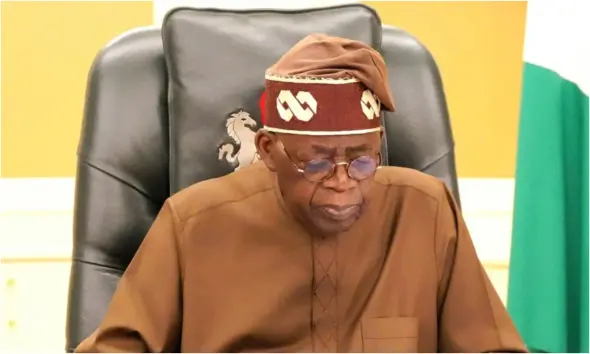
Also speaking, the Minister of State, Tanko Sununu, said the initiative will align short-term humanitarian support with long-term development goals, allowing interventions to address immediate needs while building sustainable livelihoods.
The rollout has drawn participation from key international partners, including the European Union, UNICEF, and the World Bank, alongside other stakeholders.
With its strong focus on coordination, data, and accountability, the government says the new system will serve as a national backbone for poverty reduction, shifting the country’s focus from managing poverty to building a pathway toward shared prosperity.
FURTHER READING
- Tinubu, EU Agree to Deepen Cooperation on Security, Investment
- UK Returnee Dies in Ogun Road Crash on Way to Wedding
- FG Unveils 65 Finalists for Student Venture Capital Grant Programme
Click here to watch video of the week