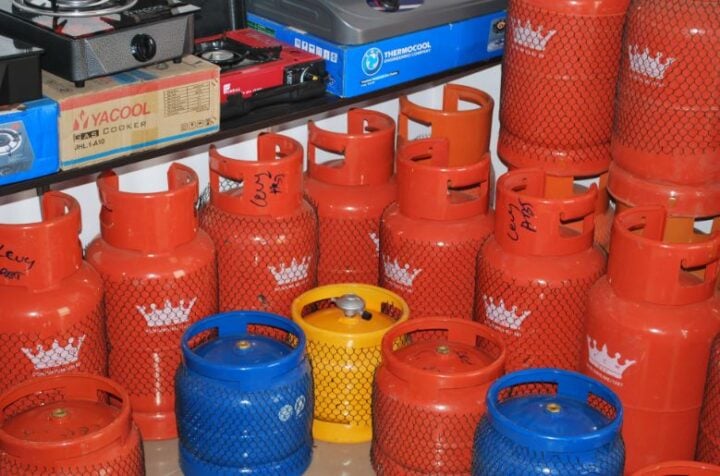
The recent surge in the price of liquefied petroleum gas (LPG), known locally as cooking gas, has triggered concern among Nigerian households already reeling from inflation.
In Lagos, the price of a 12.5kg cylinder has jumped to as high as ₦27,000 (at ₦2,200 per kg)., up from about ₦17,500 just weeks ago, a 48.5% increase. Abuja residents report paying around ₦20,000 for the same quantity.
EDITOR’S PICKS
According to Bayo Ojulari, group chief executive officer of the Nigerian National Petroleum Company (NNPC) Limited, who spoke to State House journalists on Sunday after a courtesy visit to President Bola Tinubu. the sharp increase was largely triggered by the recent industrial action by the Petroleum and Natural Gas Senior Staff Association of Nigeria (PENGASSAN).
The strike, which temporarily halted loading and movement of petroleum products for two to three days, disrupted supply chains and created a short-term scarcity in key urban centres.
Market Opportunism and Speculative Pricing
Ojulari’s remarks suggest that the hike was not entirely driven by genuine scarcity but by speculative pricing.
“So the increase you saw was relatively artificial because for the period of the strike, what that meant was movements and loading were delayed by about two, three days,” he said. “And because of that, you see that impact as things return back to normal. It takes some time for distribution to be fully restored.”
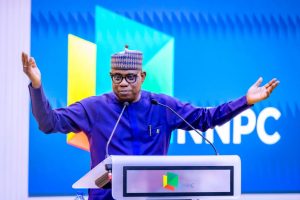
The NNPC boss noted that some retailers and marketers with existing stock took advantage of the distribution lag to inflate prices.
“And of course, as you know, in Nigeria, people take opportunity. With that delay, some of the people that have existing resources and reserves had to put up the price,” Ojulari said.
“My expectation is that now that things are back to normal, prices should return back to what they were before the strike.”
This “opportunistic” behaviour, he implied, transformed what should have been a temporary logistical setback into a consumer burden.
Nigeria’s LPG market, largely deregulated, is susceptible to such price distortions when supply disruptions occur. Without strong regulatory oversight or transparent pricing mechanisms, traders often adjust prices ahead of actual shortages, amplifying consumer costs.
Outlook: Temporary Spike or Deeper Market Distortion?
Ojulari assured Nigerians that the situation would stabilise as normal supply resumed, describing the spike as “relatively artificial.” However, the recurring disruptions, from labour disputes to logistical inefficiencies, continue to expose the fragility of the domestic LPG market.
FURTHER READING
While the PENGASSAN strike may have been the immediate trigger, the wider volatility of Nigeria’s energy pricing points to unresolved issues of infrastructure, import dependence, and weak consumer protection. Unless the government enforces clearer market rules and strengthens local production, “artificial” price hikes may continue to recur, each time with more painful consequences for ordinary Nigerians.
Philip Ibitoye is a Special Correspondent with EKO HOT BLOG. Click here to find daily analysis and critical insight on trending issues in Lagos and other parts of Nigeria.
Click here to watch the video of the week below: