Nigeria’s political landscape has become increasingly tainted by controversies over forged or falsified academic credentials.
The recent resignation of Uche Nnaji, former Minister of Innovation, Science and Technology, has once again exposed the rot within the system, a disturbing pattern of deceit that has plagued public office for decades.
EDITOR’S PICKS
Nnaji’s decision to step down, following revelations by Premium Times about discrepancies in his academic records, drew rare commendation from former Labour Party presidential candidate Peter Obi, who described it as “a sense of decency and accountability that should be the standard in public office.”
Yet, the incident highlights a deeper institutional failure, one that rests squarely on the shoulders of the Independent National Electoral Commission (INEC). Although Nnaji wasn’t an elected official, which means that the electoral commission couldn’t have done anything to prevent his situation, many political candidates have faced accusations of certificate forgery in recent years without INEC taking any responsibility for failing to ensure proper scrutiny.
EKO HOT BLOG explains reasons why INEC should start verifying the certificates of candidates to prevent disgraceful and harmful discoveries in the future.
Too Many to Ignore
From federal ministers to governors and lawmakers, Nigeria has witnessed an alarming number of cases involving certificate forgery and falsification. The scandal surrounding former finance minister Kemi Adeosun under the Buhari administration remains a reference point. Similar allegations have trailed other politicians at various levels, often surfacing only after elections or appointments have been made.
These are not isolated incidents; they point to a systemic weakness. INEC routinely accepts academic certificates as submitted by candidates without rigorous verification. This loophole allows dishonest aspirants to slip through the cracks, only for embarrassing revelations to surface later, damaging the nation’s image and eroding public trust in governance.
The Accountability Gap
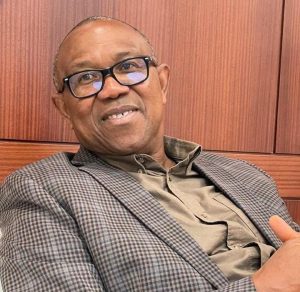
Obi’s call for INEC and other relevant agencies to verify and authenticate the academic and professional certificates of all candidates — from presidential hopefuls to councillors — strikes at the heart of Nigeria’s integrity problem. His argument is simple: a democracy built on deception cannot deliver justice or development.
“Every incumbent and aspiring candidate must submit all academic certificates immediately for verification and public accessibility,” Obi wrote on X, stressing that such transparency would help restore citizens’ faith in leadership.
Certificate Integrity and the Future of Nigerian Leadership
It is commendable that the Minister of Innovation, Science, and Technology, Mr Uche Nnaji, has resigned following the controversy surrounding discrepancies in his academic certificates. That is a decent and honourable…
— Peter Obi (@PeterObi) October 9, 2025
The ex-governor further noted that other African countries, including Ghana, already implement such checks as part of their electoral vetting process. Nigeria, he insists, must follow suit if it truly seeks credible elections in 2027.
There Should Be Policy of Prevention, Not Reaction
The recurring scandals suggest that Nigeria operates a reactive system, acting only after exposure and public outrage.
But certificate forgery is not just an ethical breach; it is a criminal offence under Nigerian law. The damage extends beyond individuals; it weakens democratic institutions and undermines the legitimacy of elected officials.
If INEC were to institute a comprehensive pre-election verification system, such crises could be averted. Verification should not be limited to sighting documents; it must involve collaboration with schools, universities, and relevant examination bodies to confirm the authenticity of credentials.
This preventive mechanism would serve multiple purposes, including protecting the electoral process from fraud, upholding the dignity of public office, detering dishonest aspirants through early detection, and restoring voter confidence in the fairness of elections.
Rebuilding Trust Before 2027
As Nigeria moves toward the 2027 general elections, the question is not whether INEC can verify certificates, but whether it will. The commission has the constitutional responsibility to ensure that only qualified candidates appear on the ballot. To achieve this, it must act with the same urgency it applies to voter registration and results transmission.
Obi’s warning is timely: “We cannot continue to allow dishonesty and criminality to sit at the heart of leadership.” The process of integrity, he said, “must begin now.”
FURTHER READING
Indeed, the credibility of the 2027 elections will depend not just on free and fair voting, but on the moral legitimacy of those allowed to contest. By verifying certificates before elections, INEC would not only prevent future embarrassments, it would take a decisive step toward cleansing Nigeria’s political system of one of its most persistent stains.
Philip Ibitoye is a Special Correspondent with EKO HOT BLOG. Click here to find daily analysis and critical insight on trending issues in Lagos and other parts of Nigeria.
Click here to watch the video of the week below: