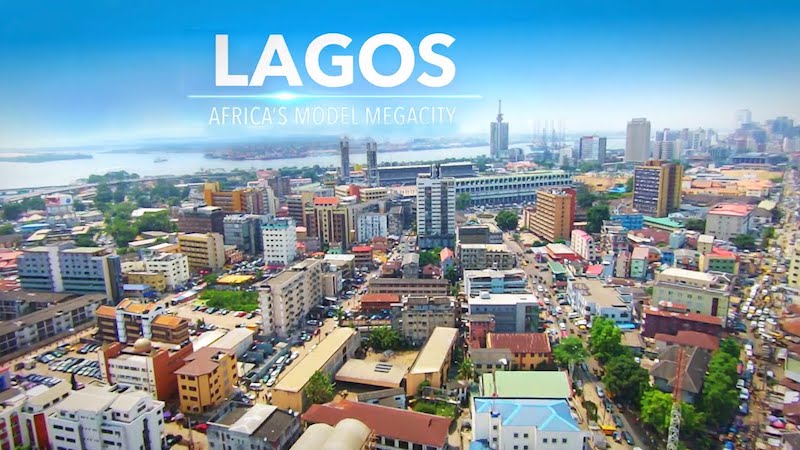
It has become a convenient slogan for those seeking to redefine belonging in Nigeria’s most diverse city. Yet beneath the noise lies a truth that deserves to be told once and for all Lagos has owners, history, and roots that go far beyond modern migration.
EDITOR’S PICK
- Army Confirms Death of Four Soldiers in Ngamdu Attack, Repels Insurgents
- Healthcare Relief in Epe: FMC Offers Free Matenal, Neonatal and Preventive Care
- Alausa Flags Off Distribution of Interactive Smart Boards in Public Schools
Lagos began as a collection of Awori fishing settlements along the lagoon, part of the wider Yoruba civilisation that stretched across the region. The Awori people were here long before colonial rule or modern Nigeria, building communities such as Isheri, Oto, and Iddo.
Later, the Benin Empire exerted influence through trade and military presence, but the cultural and linguistic fabric of Lagos remained Yoruba at its core.
When the British annexed Lagos in 1861, the city became a colonial port that attracted labourers, traders, and migrants from every part of the country. Over time, Lagos turned into a magnet for ambition, welcoming everyone from Igbo merchants to Hausa artisans, from foreign expatriates to displaced Nigerians seeking opportunity.
This openness gave rise to the idea of Lagos as “no man’s land”, a place where anyone could belong through hard work and determination.
But to call Lagos “no man’s land” ignores its ancestry. A land that welcomes does not become ownerless. Its spirit of hospitality reflects Yoruba culture, not its absence.
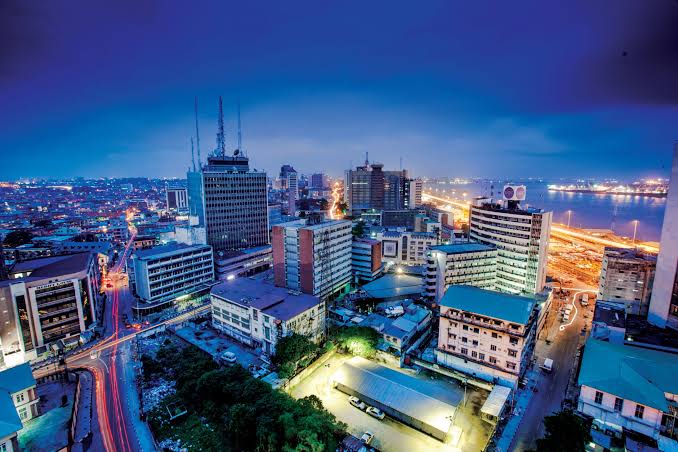
The language, festivals, and traditional institutions that still define Lagos today are evidence of a living heritage. The Awori story is not buried beneath the skyscrapers; it is the foundation that holds them up.
During electioneering, political rhetoric often distorts this reality, using identity as a weapon or a slogan. Yet even in global cities such as London or New York, where immigration has reshaped culture and demography, the indigenous and founding communities still retain recognition and rights over their land.
The British have never been displaced from being the original owners of Britain, nor have Native American claims to heritage in the United States been erased by the influx of others. Diversity does not erase identity. It deepens it when properly acknowledged.
Lagos belongs to everyone who calls it home, but it remains, at its heart, a Yoruba city. Its openness is its strength, not proof of abandonment. The myth of “no man’s land” should finally be put to rest. A city can be welcoming without losing its soul, and Lagos has always known how to do both.
FURTHER READING
- Dr. Alausa Moves Education Beyond Chalkboard, Prioritizes AI in New Curriculum
- ALARHOSPS to Donate Medical Supplies, Renovate Oke-Odo PHC for Annual Week Celebration
- Tobun Declares Fifth-Term Ambition Rooted in Constituents’ Demand
Click here to watch video of the week