- Why Presidency Avoided Calling Alleged Plot a Coup
-
Officials avoided public panic and ensured investigations remained discreet.
-
The government reaffirmed its commitment to democratic stability.
Fresh details have emerged explaining why the Federal Government deliberately used measured language in addressing the alleged plot to destabilise President Bola Tinubu’s administration.
EDITOR’S PICKS
- Trump Pushes for ‘Golden Fleet’ Warships to Counter China’s Growing Threat
- Former Oyo Catholic Bishop Julius Adelakun is Dead
- Nigeria to Deliver 4,000MW Renewable Energy Capacity Under ‘Nigeria First’ Policy
EKO HOT BLOG reports that according to PRNigeria, the restraint followed legal advice from a senior member of the President’s cabinet, regarded as one of Tinubu’s most trusted advisers on constitutional and national security matters. The adviser reportedly urged the government not to describe the development as a “coup attempt” pending the conclusion of investigations.
Sources within the Presidency revealed that intelligence operatives at the Defence Headquarters (DHQ) had intercepted what appeared to be a coordinated plan involving some military officers and civilians. However, the adviser cautioned that premature statements could complicate investigations.
One source said, “The counsel from the Presidency was very clear. He said we must avoid sensational language until investigations are complete. Once you call it a coup, you create panic, alert potential accomplices, and make prosecution harder.”
The legal advice reportedly emphasized the need to avoid legal and psychological complications within the armed forces while maintaining the integrity of ongoing intelligence operations. Investigators were urged to secure solid evidence before any public disclosure.
The report further stated that the government’s communication strategy aimed to prevent suspects from fleeing once the story became public. Security operatives were still tracing financial transactions and monitoring communications linked to detained officers.
An insider added, “The leadership wanted to quietly monitor the networks before any arrests or public disclosures.”
It was also learnt that some detained officers had prior disciplinary records, prompting the military to handle the matter discreetly to protect institutional integrity and prevent tension within the ranks.
The Defence Headquarters initially described the situation as “indiscipline” and “professional misconduct” rather than a coup attempt, a cautious move that later drew public confusion until more details surfaced.
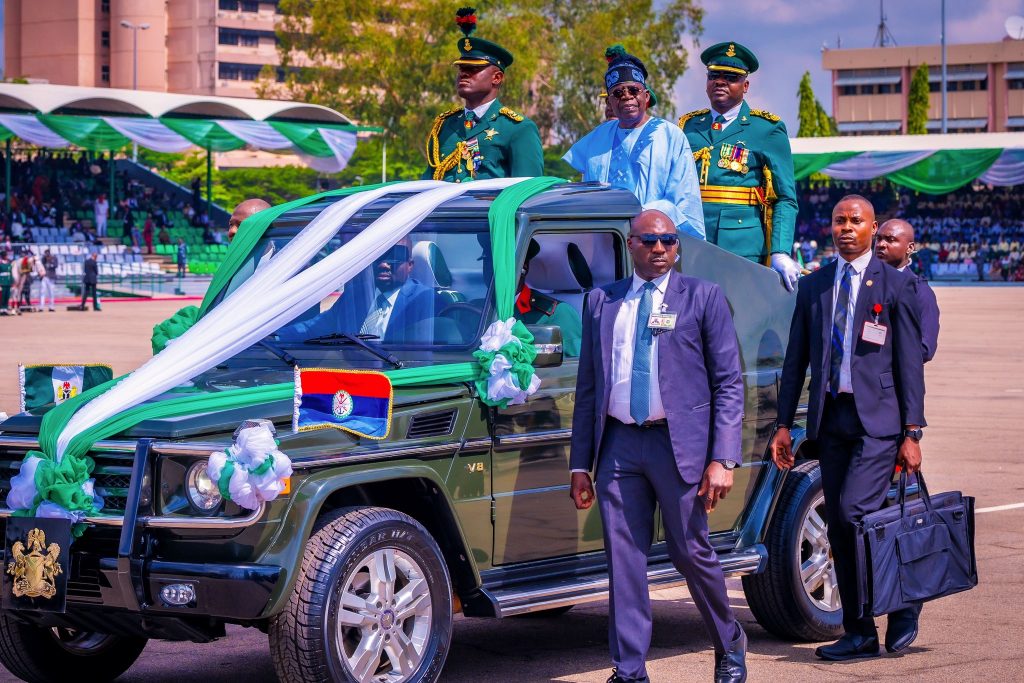
Both the Federal Government and DHQ have since reaffirmed their commitment to democracy, rule of law, and constitutional order.
FURTHER READING
- Obasanjo Explains Why He Rejected El-Rufai as Successor
- NOA Launches ₦22m Animation Contest to Promote National Values
- Gombe Commissioner Dies in Road Accident