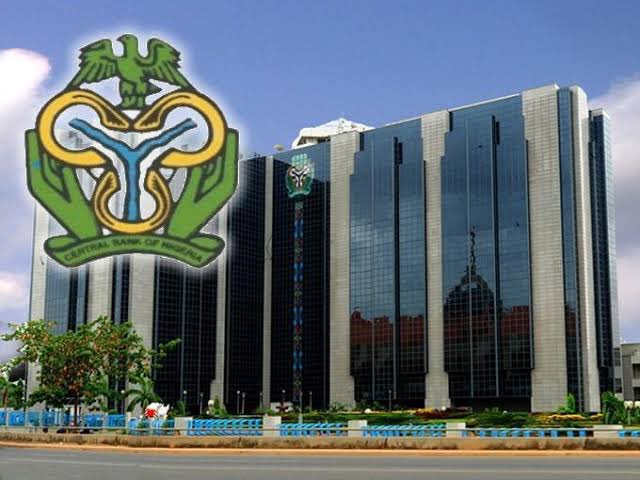
Nigeria’s foreign capital inflows have surged to $20.98 billion in the first 10 months of 2025, a development that the Central Bank of Nigeria (CBN) says reflects a decisive return of investor confidence following sweeping foreign exchange and monetary reforms.
CBN Governor Olayemi Cardoso, speaking at the Chartered Institute of Bankers of Nigeria (CIBN) annual dinner on Friday in Lagos, described the jump as a 70 percent rise compared to total inflows recorded in 2024 and a 428 percent increase from the $3.9 billion posted in 2023.
EDITOR’S PICKS
According to him, the trend marks “a clear resurgence in investor confidence.”
FX Reforms Driving the Rebound
Cardoso attributed the positive sentiment partly to the implementation of a unified exchange-rate system and the elimination of the country’s longstanding foreign exchange backlog.
“Today, the once-crippling multi-billion-dollar FX backlog has been fully cleared, restoring credibility and giving businesses the confidence to plan,” he said.
The governor also highlighted the rollout of the Nigerian foreign exchange code, which sets rules for transparency, governance and fair dealing among authorised dealers.
Alongside this, the deployment of the electronic foreign exchange management system (EFEMS), powered by Bloomberg BMatch, has imposed mandatory order submission and provided real-time regulatory visibility, measures he said have “transformed FX trading” while reducing opacity, manipulation and indiscipline in the market.

These reforms, he argued, helped narrow the gap between the official and parallel exchange markets to under 2 percent — a dramatic shift from over 60 percent previously.
External Sector Strengthening
Improvements in foreign exchange management have coincided with a strengthening external sector. Cardoso noted that Nigeria’s current account balance rose by over 85 percent to $5.28 billion in the second quarter of 2024, up from $2.85 billion in the first quarter.
Foreign reserves have also climbed to $46.7 billion as of mid-November — the highest in nearly seven years — providing more than 10 months of forward import cover.
Crucially, he stressed that the reserve build-up is “being rebuilt organically, not by borrowing, but through improved market functioning, stronger non-oil exports, and robust capital inflows”. Non-oil exports grew by more than 18 percent year-on-year, which he linked to greater exchange-rate flexibility and reforms that have boosted competitiveness.
Diaspora remittances, another key inflow source, also rose by about 12 percent in 2025, driven by improved transparency and the introduction of the Non-Resident BVN.
Policy Stability Remains Key
Cardoso said the CBN remains committed to maintaining a flexible exchange-rate framework that allows the naira to act as a “shock absorber” without triggering excessive volatility. He added that a revised FX Manual will soon be released to broaden market participation and strengthen EFEMS oversight to ensure consistency and guard against policy reversals.
FURTHER READING
For now, the sharp rise in capital inflows signals a degree of renewed confidence from global investors who had retreated in earlier years. Whether this momentum becomes durable will depend on sustained reforms, predictable policies, and Nigeria’s ability to deepen its external buffers without slipping back into the distortions that undermined confidence in the past.
Philip Ibitoye is a Special Correspondent with EKO HOT BLOG. Click here to find daily analysis and critical insight on trending issues in Lagos and other parts of Nigeria.
Click here to watch the video of the week below: