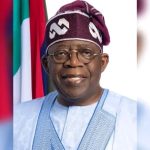
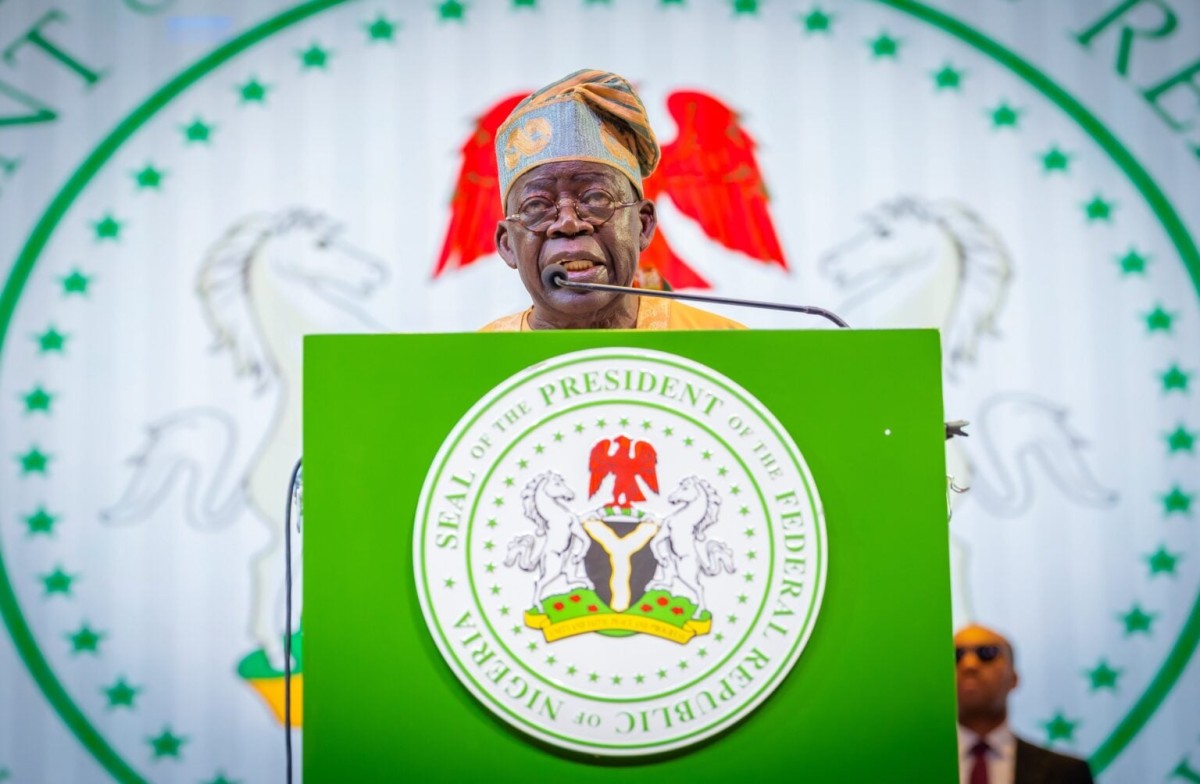
President Bola Tinubu on Tuesday reopened an old economic debate, arguing that Nigeria’s colonial-era tax system held the country back.
Speaking in Abuja at the commissioning of the Nigeria Revenue Service (NRS) headquarters, he said outdated, fragmented tax laws impoverished citizens and limited growth.
EDITOR’S PICKS
His administration’s new reforms, he added, are meant to simplify the system, boost revenue, and make the economy more competitive. His message was that fixing the tax system can unlock Nigeria’s prosperity.
But that claim raises a harder question. Has Nigeria’s problem really been how little it collects or how it spends what it has?
A weak tax system, no doubt
There is little argument that Nigeria’s tax structure has been inefficient. For decades, multiple taxes, overlapping authorities, and poor enforcement have made compliance difficult. Many businesses operate outside the formal system, while government struggles to raise enough revenue.
The result is a state that is often short of funds. Basic services — roads, schools, hospitals — remain underdeveloped, and the country has relied heavily on oil income instead of building a broad tax base.
In that sense, the president is on solid ground. A country that cannot collect revenue effectively will struggle to plan, invest, and grow. Reforming tax laws is necessary, and long overdue.
But spending tells another story
Yet revenue is only part of the picture. Nigeria’s history since independence shows a persistent pattern: even when money is available, it is not always used in ways that benefit the public.
From the oil boom years to the present day, political office has often come with visible privilege. Government officials are known for large entourages, expensive travel, and comfortable lifestyles that stand in sharp contrast to the conditions many citizens face.
When governors, presidents, and other officeholders call on ordinary Nigerians to make sacrifices and persevere through government-induced hardship, they don’t join in the suffering. In fact, Nigerian leaders are known to spend lavishly on cars and projects that personally benefit them in such times.
This gap has long drawn criticism. One often-cited story recalls Singapore’s founding leader, Lee Kwan Yew, observing the opulence of Nigerian officials in the early years after independence, specifically January 1966, and expressing concern about what it signalled for the country’s future.
His first visit to Nigeria pic.twitter.com/Fb2w0RDeMX
— Success (@jathom48) March 26, 2026
Whether told as anecdote or insight, it reflects a widely held view: that public office in Nigeria can appear more rewarding than productive enterprise.
Over time, this has shaped public perception. When leaders call for sacrifice — higher taxes, subsidy removals, tighter spending — many Nigerians question whether the burden is being shared equally.
Not one problem, but two
It is tempting to see Nigeria’s economic troubles as a choice between weak taxation and excessive spending. In reality, the two are linked.
A poor tax system limits what government can raise. But inefficient or lavish spending reduces the value of whatever is raised. One creates scarcity; the other wastes opportunity.
This helps explain why periods of higher revenue have not always translated into better living conditions. It also explains the scepticism that often greets new reforms. Nigerians are not only asking how much government will collect, they are asking how it will be used.
The real test ahead
The president’s reforms may well improve revenue collection. A simpler, more transparent tax system could strengthen public finances and attract investment.
But that will only be part of the solution. The larger test is whether increased revenue leads to visible improvements in people’s lives. Without that, even the best-designed tax system will struggle to win public trust.
FURTHER READING
Nigeria’s history suggests that growth depends not just on fixing how money comes in, but on changing how it goes out. Until both sides of that equation are addressed, the debate over what held the country back is likely to continue.
Click to watch the video of the week below: