- 6 Reasons Hypertension Remains Undetected in Millions of Africans
- Low preventive screening culture delays early diagnosis across communities.
- Limited access and poor follow up worsen undetected cases.
Hypertension remains one of the most dangerous yet overlooked health threats across Africa. Often called a silent killer, high blood pressure rarely shows clear symptoms in its early stages.
EDITOR’S PICKS
- Health Workers Warn as Antivenom Gaps Undermine Snakebite Treatment
- Tinubu Approves ₦40bn Zero-Interest Loans for University Lecturers, Staff
- 5 Health Risks Men Face After Age 40
EKO HOT BLOG reports that according to the World Health Organization, an estimated 46 percent of adults with hypertension in Africa are unaware they have the condition. This gap in awareness continues to fuel rising cases of stroke, heart failure and kidney disease across the continent.
Here are six major reasons hypertension remains undetected.
1. It Rarely Causes Early Symptoms
Unlike infections that produce fever or pain, hypertension can develop quietly for years. Many people feel normal while blood pressure levels remain dangerously high. Because there are no obvious warning signs, routine checks are often neglected until complications appear.
2. Low Culture of Preventive Checkups
In many African communities, people visit hospitals only when they feel seriously ill. Preventive health screening is not yet a strong culture. Blood pressure checks are simple and inexpensive, yet many adults go years without testing.
3. Misinterpretation of Mild Symptoms
When symptoms do appear, such as headaches, dizziness or fatigue, they are often blamed on stress, heat or lack of sleep. Few people connect recurring headaches with possible high blood pressure, delaying proper diagnosis.
4. Limited Access to Primary Healthcare
Rural and underserved communities face shortages of clinics, trained personnel and equipment. Some facilities lack functioning blood pressure monitors. This limits routine screening and early detection, especially among older adults.
5. Financial Barriers
Even when services are available, cost remains a barrier. Out of pocket health spending remains high in many African countries. As a result, individuals may avoid routine medical visits unless symptoms are severe.
6. Poor Follow Up and Record Keeping
Weak health information systems mean many patients are not properly tracked. Some individuals are told their blood pressure is high during one visit but receive no structured follow up. Without consistent monitoring, early hypertension progresses unnoticed.
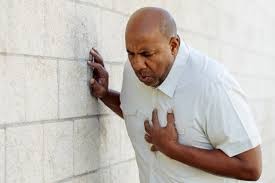
Hypertension is easy to detect with a simple blood pressure measurement. It is also manageable through lifestyle changes and medication. The danger lies not in complexity but in silence.
Routine screening, stronger primary healthcare systems and better public awareness could prevent thousands of avoidable deaths each year.
FURTHER READING
- Electronic Transmission: ‘Nigerians Always Complain’ – Senate Knocks Protesters
- FG Suspends NAFDAC Enforcement On Sachet Alcohol Ban
- Alaafin Seeks Supreme Court Halt On Ago-Oja Chieftaincy Elevation