- Nigeria Earned N65.85bn from Wood Energy Exports in Q1 2025 – NBS
- ECOWAS Countries Account for 74% of Nigeria’s Wood Energy Exports
- Says Nigeria Must Invest in Alternatives to Firewood
Nigeria ranks among the highest exporters of firewood globally, the Special Adviser to the Lagos State Governor on Climate Change and Circular Economy, Titi Oshodi, has said.
Eko Hot Blog reports that Oshodi noted that beyond local consumption, Nigerians export significant quantities of firewood and related products, generating substantial revenue from the trade.
EDITOR’S PICK
- Sanwo-Olu Administration Supports 300 Residents with Eko Cares Cheques
- Sanwo-Olu Launches Roadmap for Lagos International Financial Centre
- Police Probe Death of 10-Year-Old Girl Discovered at Dump Site in Sokoto
Data from the National Bureau of Statistics (NBS) shows that Nigeria exported energy goods worth N65.85 billion in the first quarter of 2025.
In its report titled Foreign Trade in Goods Statistics, the NBS disclosed that member states of the Economic Community of West African States (ECOWAS) accounted for N49.15 billion, representing over 74 per cent of the total exports.
The NBS categorised the energy goods as fuel wood in logs (including hardwood), charcoal, and coniferous wood in chips or particles. These products are increasingly in demand, particularly in neighbouring countries where alternative energy sources are limited or costly.
According to the report, Benin Republic emerged as the largest destination for Nigeria’s wood energy exports, receiving N29.83 billion worth of products in the first quarter of 2025. Togo followed with imports valued at N19.32 billion. Asian countries imported N94.80 million worth of firewood and charcoal products, while European nations accounted for N102.21 million.
Speaking in an interview, Oshodi raised concerns about the environmental and health implications of heavy reliance on charcoal and firewood. She stressed that Nigeria’s limited forest resources are insufficient to adequately absorb carbon emissions and mitigate climate change impacts.
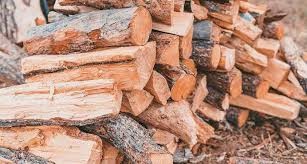
“We’re losing out on lives, we’re losing out on our health, and we’re losing out on economic opportunities,” she said, warning that continued dependence on firewood could have long-term consequences.
Oshodi estimated that the firewood industry generates about N300 billion annually but argued that transitioning to cleaner energy alternatives must be gradual and economically inclusive. She emphasised the need for investment in technology, innovation, logistics, and skills development to create viable alternatives for those dependent on the sector.
She also called for improved climate literacy, innovative financing structures, and stronger collaboration with private sector players and financial institutions to fund resilient energy solutions.
According to her, governments must demonstrate commitment to sustainable projects to attract international funding and ensure long-term climate and economic stability.
FURTHER READING
- Insecurity Is Unacceptable, We Will Defeat Terrorism – Tinubu
- ASUU Agreement: FG Commences Payment of Enhanced Academic Allowances
- Police Nab Edo Man Who Faked Abduction to Cover Gambling Loss
Click here to watch the video of the week
https://youtu.be/552knBEVttI