The Nigeria Centre for Disease Control and Prevention (NCDC) has reported two suspected cases of viral haemorrhagic fever in Abuja.
According to a public health advisory seen by EKO HOT BLOG, both patients tested negative for Ebola and Marburg viruses, but samples are being further examined for other illnesses such as Lassa fever and dengue fever.
EDITOR’S PICKS
The agency’s swift response has drawn attention to Nigeria’s preparedness against outbreaks of highly infectious diseases. Here is what Nigerians need to know.
A Traveller Who Did the Right Thing
The most recent case involved a traveller who returned from Kigali and immediately presented himself at a hospital in Abuja after feeling unwell. His quick decision to seek medical help allowed clinicians at Nisa Premier Hospital to activate protocols that minimized risk to the public.
“This responsible action is highly commendable and a good practice all Nigerians are urged to emulate,” the NCDC noted.
Early reporting and treatment, especially after travel, can save lives and prevent community spread.
How the System Responded
The suspected case triggered a coordinated response involving the Federal Capital Territory Epidemiology and Rapid Response Teams, Port Health Services, the National Reference Laboratory, and airline and immigration partners. Within 48 hours, health authorities were able to rule out Ebola and Marburg.
The NCDC has also conducted a dynamic risk assessment in light of recent Ebola activity in other countries, placing isolation facilities on alert, prepositioning infection-prevention supplies, and reinforcing training for healthcare workers nationwide.
What NCDC asks States and Health Facilities To Do
State governments have been urged to strengthen surveillance and ensure isolation centres remain functional.
Healthcare workers are reminded to maintain a high index of suspicion, strictly apply infection-prevention measures, and report unusual cases immediately through established disease-reporting channels.
Private hospitals, the NCDC stressed, play a critical role in early detection and must be fully integrated into the surveillance network.
About Ebola Virus Disease
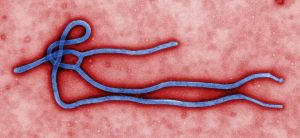
Ebola virus disease (EVD), once known as Ebola haemorrhagic fever, is a severe and often fatal illness with a case fatality rate ranging between 25 and 90 percent. There are five species of the virus: Bundibugyo, Reston, Tai Forest, Sudan, and Zaire—the latter responsible for recent outbreaks in the Democratic Republic of Congo.
Transmission occurs through contact with infected live or dead animals or direct exposure to body fluids of infected people. Human-to-human spread is common in outbreaks, with health workers, caregivers, and mourners at burials particularly at risk. The incubation period is typically between 2 and 21 days.
Symptoms to Watch For
Early symptoms include sudden fever, severe weakness, muscle pain, headache, and sore throat. These are often followed by vomiting, diarrhoea, and jaundice. In severe cases, uncontrolled bleeding and multi-organ failure may occur, with death sometimes within 8 to 9 days of symptom onset.
How You Can Stay Safe
The NCDC has advised Nigerians to:
- Practice good hand hygiene by washing hands with soap or using alcohol-based sanitizers.
- Avoid contact with symptomatic persons showing unexplained fever, bleeding, vomiting, or diarrhoea.
- Minimize animal-to-human risks by avoiding fruit bats, monkeys, or apes; handling animals with gloves; and ensuring animal products are well cooked.
- Avoid contact with body fluids such as blood, vomit, saliva, and urine from suspected or confirmed cases.
- Seek help immediately by calling 6232 or state health hotlines if symptoms develop after travel.
- Avoid rumours and rely only on official NCDC updates to prevent misinformation that fuels panic and stigma.
FURTHER READING
Meanwhile, in Southern Congo, the World Health Organization (WHO) revealed that 31 of 38 confirmed Ebola cases have resulted in deaths as of Thursday as authorities battle a new outbreak of the deadly virus.
Philip Ibitoye is a Special Correspondent with EKO HOT BLOG. Click here to find daily analysis and critical insight on trending issues in Lagos and other parts of Nigeria.
Click here to watch the video of the week below: