- Malaria Still Major Threat in Nigeria – Dr. Ogbulafor
- Pregnant Women, Children Most Vulnerable to Malaria
- Nigerians Advised to Prioritise Prevention and Early Diagnosis
As Nigeria joined the rest of the world to commemorate World Malaria Day 2026, the National Malaria Elimination Programme intensified efforts to educate Nigerians on the dangers of malaria and the importance of prevention, early testing and prompt treatment.
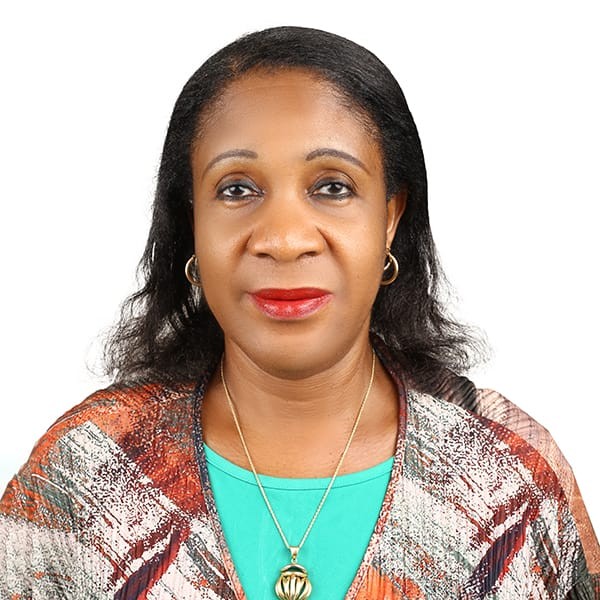
Eko Hot Blog reports that leading the awareness campaign, the National Coordinator of the programme, Nnenna Ogbulafor, called on citizens to take malaria prevention more seriously, describing the disease as one of the biggest health challenges still affecting millions of people across Africa.
EDITOR’S PICK
- Apapa, Tin Can, Lekki Ports Record Heavy Cargo Traffic
- Tinubu Investing Heavily In Knowledge-Driven Economy – Alausa
- Use Tinubu’s Correct Official Appellation, FG Tells Media Houses
Speaking during an online sensitisation campaign focused on malaria elimination, Ogbulafor explained that malaria is caused by parasites transmitted through the bites of infected female Anopheles mosquitoes.
She noted that although significant progress has been made globally, the disease continues to claim lives and place economic pressure on families and communities, especially in sub-Saharan Africa.
According to her, children under the age of five, pregnant women and people with weak immune systems remain the most vulnerable to severe malaria infections and complications.
She listed common symptoms of malaria to include fever, headache, chills, nausea, vomiting and body weakness, warning that untreated cases could become severe and lead to anaemia, breathing difficulties and convulsions.
The NMEP coordinator urged Nigerians to avoid self-medication and instead visit healthcare facilities for proper testing before taking any malaria drugs.
She explained that confirmed diagnosis through Rapid Diagnostic Tests or laboratory microscopy remains the safest approach to treatment, adding that indiscriminate use of anti-malaria drugs could worsen drug resistance.
On treatment, Ogbulafor reaffirmed that Artemisinin-based Combination Therapy remains the approved medication for uncomplicated malaria cases and stressed the need for early medical attention to reduce deaths.
She also highlighted preventive measures such as the use of insecticide-treated mosquito nets, environmental sanitation, indoor spraying and proper elimination of mosquito breeding sites.
According to her, special preventive treatments are also available for pregnant women and young children, especially during periods of high malaria transmission.
Ogbulafor further called for stronger collaboration among governments, healthcare workers, development partners and local communities to sustain awareness campaigns and reduce malaria infections across the country.
She maintained that defeating malaria would require collective responsibility, regular prevention practices and timely access to healthcare services.
FURTHER READING
- Sanwo-Olu Administration Opens Stewardship Account To Lagosians
- Lagos Targets Zero Waste Economy With New Waste Management Plan
- Police Recover Truck, Rescue Victims After Gun Battle With Bandits
Click here to watch video of the week