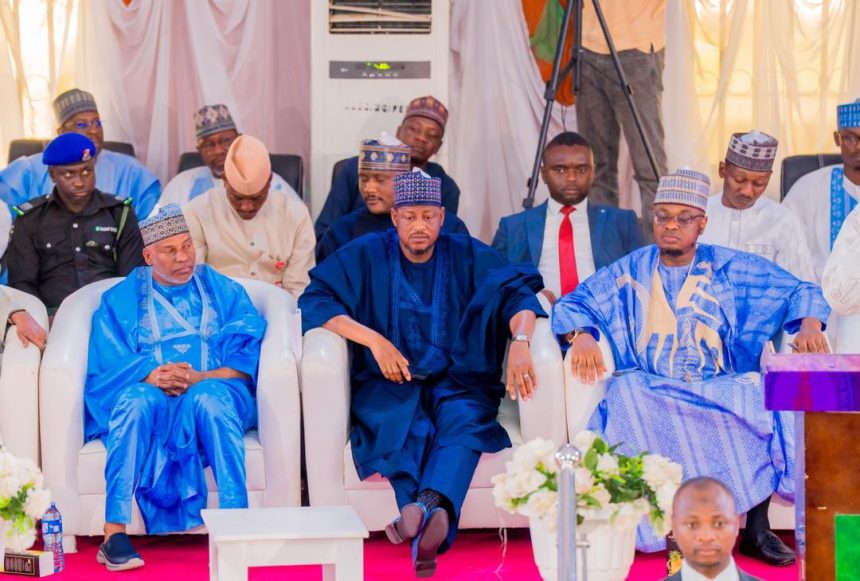
- Reforms aim to revitalize Qur’anic studies while also incorporating ethics
- Upgrading Integrated Qur’anic Model Schools in all 34 local government areas
- Governor expressing gratitude to dignitaries such as Isa Pantami
Katsina State Governor, Dikko Radda, has announced a far-reaching plan to transform the Almajiri and Islamiyya education system in the state, with the aim of restoring its dignity and preparing children for modern challenges.
Eko Hot Blog reports that in a statement issued on Wednesday, Governor Radda revealed that the proposal was unveiled during a one-day stakeholders’ engagement workshop, which brought together Islamic scholars, teachers, civil society groups, community leaders, and policymakers to design lasting solutions for Qur’anic education.
EDITOR’S PICKS
- Details Of Atiku’s Meeting With El-Rufai Emerge
- Tinubu’s Administration Prioritising Northern Development – Housing Minister
- JUST IN: Badagry West Vice Chairman Dies, Joins List of Female Council Leaders Dead in Two Months
EKO HOT BLOG reports that the governor noted that the Almajiri system, once a respected model of Islamic learning, has over time deteriorated into a cycle of neglect and hardship, leaving many children homeless, hungry, and vulnerable. “This situation demands urgent action to reclaim our heritage and safeguard the future of our children,” he stressed.
Highlighting Katsina’s rich legacy as a hub of Islamic scholarship in Sub-Saharan Africa, Radda said the reforms aim to revitalize Qur’anic studies while also incorporating ethics, vocational skills, agriculture, and basic Western education.
The objective, he added, is to produce well-rounded individuals capable of thriving as scholars, entrepreneurs, and leaders.
The reform strategy does not intend to abolish the existing system but to modernize it in line with global education standards. Plans include establishing and upgrading Integrated Qur’anic Model Schools in all 34 local government areas, complete with classrooms, hostels, feeding programs, uniforms, and trained teachers.
Radda emphasized that community participation is critical, pledging to empower Ward Development Committees and Community Education Councils to monitor and ensure accountability.
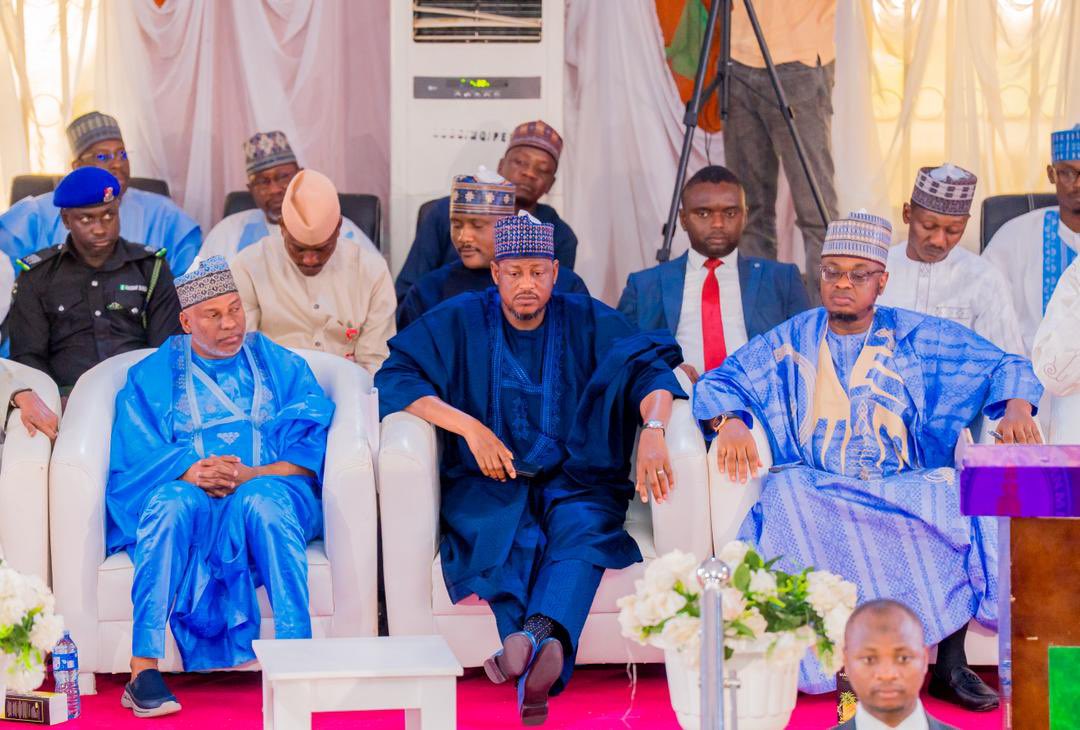
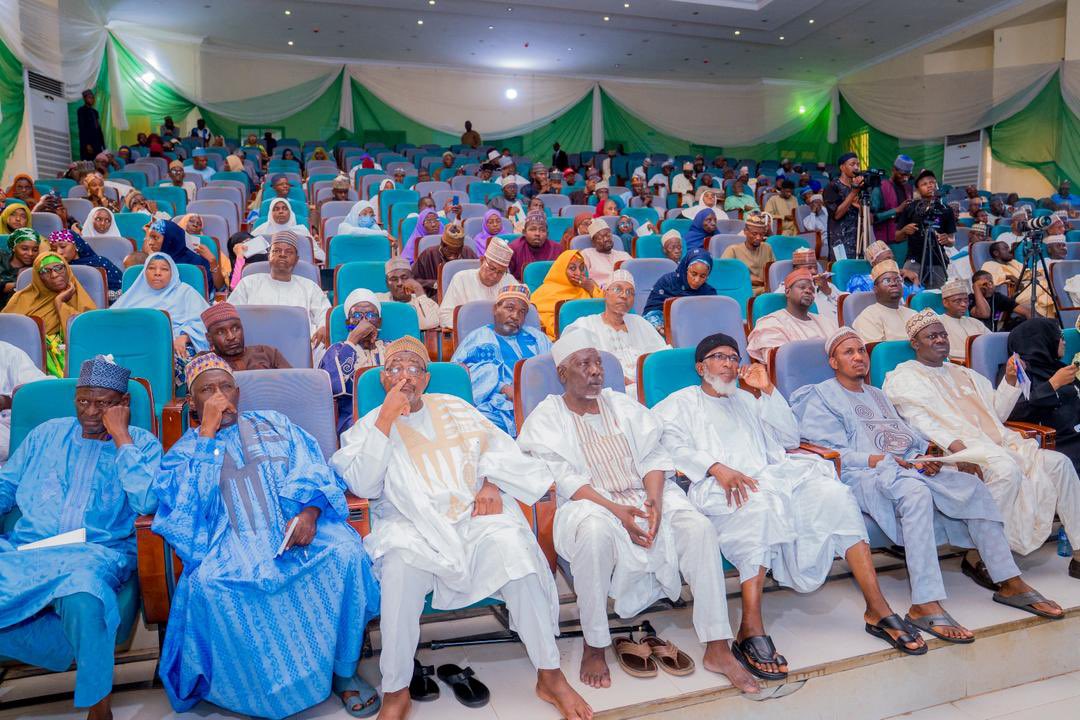
The governor expressing gratitude to dignitaries such as Isa Pantami, Mansur Sokoto, Nasir Dahir Usman Bauchi, Aminu Ibrahim Daurawa, and Jabir Maihula for their support, he assured residents that the state government will continue to consult stakeholders until every Almajiri child receives both protection and quality education.
FURTHER READING
- Ebola? What To Know About Suspected Viral Haemorrhagic Fever Cases in Abuja
- Why Africa Must Cut Investment Risks to Attract Capital – EFCC
- Trump Places Harvard on Strict Financial Monitoring