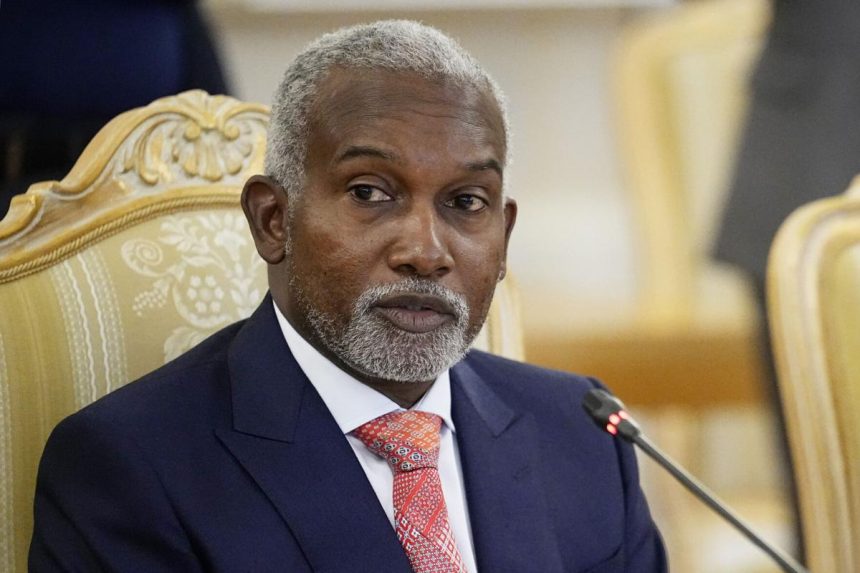
- Govt reinforcing “Africa deserves equity” in Security Council reforms
- Foreign Affairs Minister Yusuf Tuggar urges faster global backing
- Emphasis on ESSENTIALS: Article 108, Ezulwini Consensus, collective African stance
Nigeria is stepping up its demand for a permanent seat on the United Nations Security Council, pushing for reforms to ensure Africa is properly represented.
According to Eko Hot Blog, Foreign Affairs Minister Amb. Yusuf Tuggar stated in New York during the 80th UN General Assembly that Nigeria will intensify advocacy for a permanent Security Council seat.
EDITOR’S PICK
- PDP Postpones Congresses in Plateau, Cross River State
- ‘All Hands on Deck’ – FG Unveils Theme for Nigeria’s 65th Independence Anniversary
- Boy Beaten to Death Over Cocoa Harvest in Ondo State
The push is grounded in longstanding African consensus and supported by international diplomatic efforts.
Tuggar emphasized that Nigeria views this as part of a broader African position, referencing the Ezulwini Consensus and the Sirte Declaration frameworks that call for two permanent seats for African nations in the UN Security Council. He said this reform is crucial for equity and to reflect current global realities.
He also noted Nigeria’s strong participation in peacekeeping, deployment of troops, and multilateral diplomacy as credentials that underscore the country’s suitability.
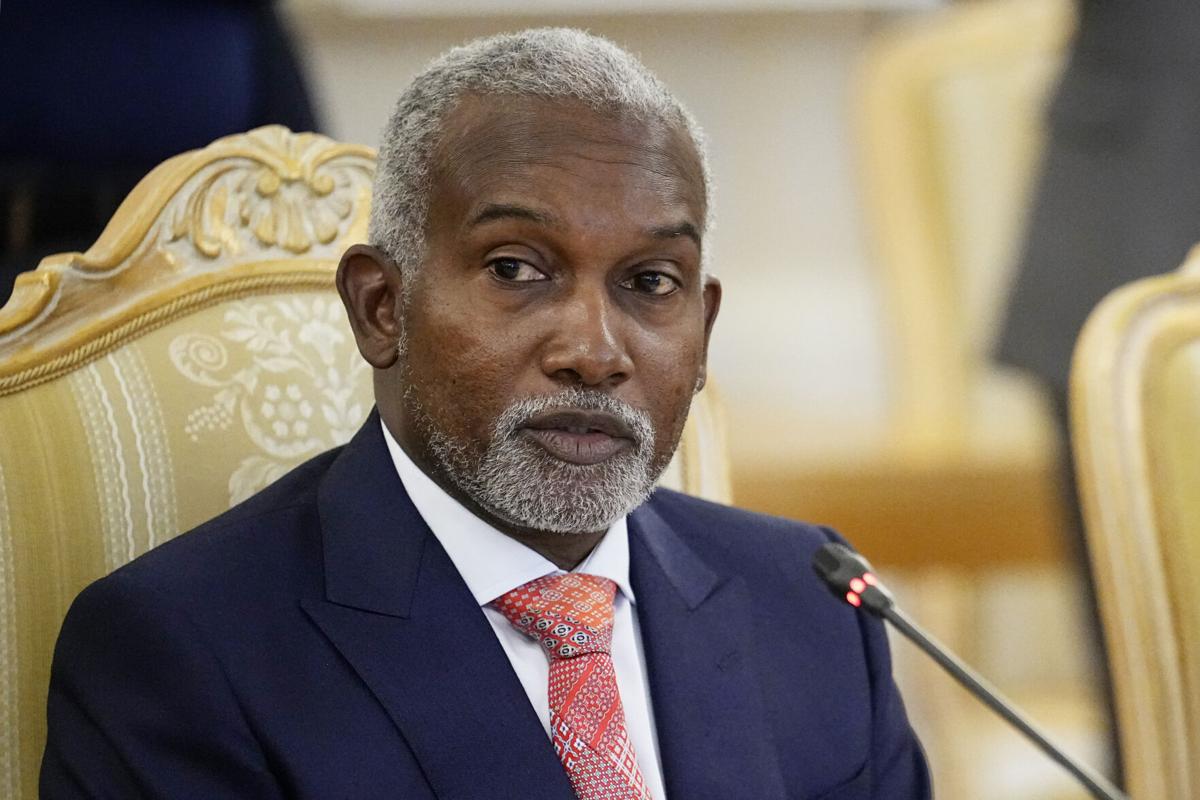
According to him, these contributions are not just symbolic; they reflect Nigeria’s willingness to be part of global decision-making, especially on issues affecting Africa.
During the same address, Tuggar urged world powers and UN members to accelerate discussions on reforming the Security Council, particularly Article 108 of the UN Charter, which deals with amendments.
He stressed that without such changes, many African countries will continue to have limited influence on decisions that heavily impact the continent.
Observers believe this renewed appeal comes at a strategic moment: with global challenges like conflict, climate change, and economic inequalities growing, African nations are pushing harder to have a voice that matches their burden of impact.
Some analysts see potential momentum building, especially as reform discussions have been quieter for years.
Critics, however, caution that achieving permanent seat status is difficult it involves UN Charter amendments, which require broad consensus including approval from permanent members.
They argue that while Nigeria’s case is strong, the road ahead demands sustained diplomacy and allied support.
For now, Nigeria’s government is clearly putting the issue on the international agenda again, aiming to move beyond statements toward real action. Whether that translates to change depends largely on global cooperation.
FURTHER READING
- UNICEF: Nigeria Ranks 3rd Globally in Female Genital Mutilation Cases
- 44th Olubadan Coronation: Committee Unveils Traffic Plan Ahead of Tinubu’s Attendance
- Lagos Will Keep Building Policies That Empower Women – Sanwo-Olu
Click here to watch video of the week