- Tinubu’s Poverty Reduction Drive Outshines Past Governments – IMPI
- Dr Omoniyi Akinsiju, IMPI said the current government’s approach stands out for its multi-sectoral design and sustainable impact
- IMPI also highlighted the Innovation Development and Effectiveness in the Acquisition of Skills (IDEAS) programme
The Independent Media and Policy Initiative (IMPI), a policy research group, has praised President Bola Ahmed Tinubu’s administration for introducing what it describes as the most comprehensive and effective poverty reduction policies in Nigeria’s recent history.
Eko Hot Blog reports that in a statement signed by its Chairman, Dr Omoniyi Akinsiju, IMPI said the current government’s approach stands out for its multi-sectoral design and sustainable impact, unlike the short-term or fragmented initiatives of past administrations.
EDITOR’S PICK
- Femi Kuti Urges Young Artists to Prioritise Quality Over Quick Hits
- Osun Resident Doctors Halt Services Over Nationwide Strike
- FG to Release ₦12bn, Pays ₦10.6bn to Resident Doctors
According to Akinsiju, the Tinubu administration’s programmes are institutionalised and tailored to meet the needs of different categories of Nigerians, representing a shift from the “one-size-fits-all” models that previously dominated anti-poverty efforts.
“President Tinubu’s poverty reduction tools are expansive and designed to tackle the root causes of poverty. They represent a shift from isolated interventions to coordinated, multi-sectoral programmes that can reach a broader spectrum of Nigerians,” IMPI stated.
The think tank recalled that past governments under Presidents Olusegun Obasanjo and Goodluck Jonathan rolled out several initiatives including the Directorate for Food, Roads and Rural Infrastructure (DFRRI), National Directorate of Employment (NDE), Better Life Programme (BLP), People’s Bank of Nigeria (PBN), and National Poverty Eradication Programme (NAPEP) but many failed to achieve lasting results.
While acknowledging former President Muhammadu Buhari’s strides with the National Social Investment Programme (NSIP), IMPI said Tinubu’s administration has expanded on that foundation by introducing new, more targeted interventions.
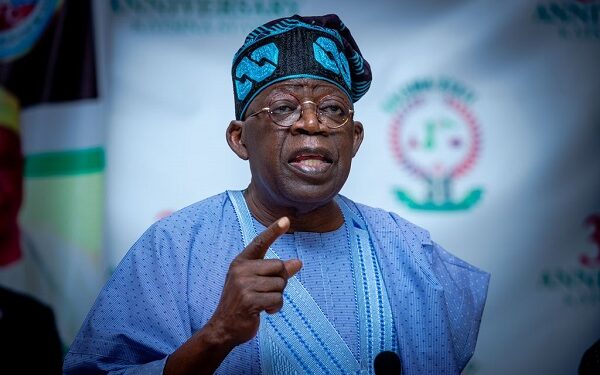
Among these are:
- Subsidised dialysis programmes, reducing session costs in federal hospitals from ₦50,000 to ₦12,000.
- Agricultural microfinance initiatives providing up to ₦100,000 per farmer under the revamped FarmerMoni scheme.
- An expanded Home-Grown School Feeding Programme reaching 20 million children.
- A ₦32,000 monthly pension increase for federal retirees.
- The Tertiary Institutions Staff Support Fund (TISSF) to boost welfare and training for academic staff.
Other key initiatives include the Creative Economy Development Fund (CEDF), which provides up to $100,000 in grants and loans to creative entrepreneurs, and the Digital Access and Livelihood Initiative (DALI), designed to connect digitally trained youths with employment and enterprise opportunities.
IMPI also highlighted the Innovation Development and Effectiveness in the Acquisition of Skills (IDEAS) programme, supported by the World Bank, which aims to train 30,000 young Nigerians in 36 skill areas.
“Our analysis shows that multidimensional poverty can only be effectively tackled through a multi-pronged policy approach. The Tinubu administration’s integrated strategy reflects a clear understanding of that reality,” IMPI concluded.
FURTHER READING
- Wike’s Faction Suspends PDP Acting Chairman Damagum
- PDP Convention Will Hold Despite Court Order – Ogidi
- Dangote Refinery Promises Uninterrupted Fuel Supply Nationwide
Click here to watch video of the week