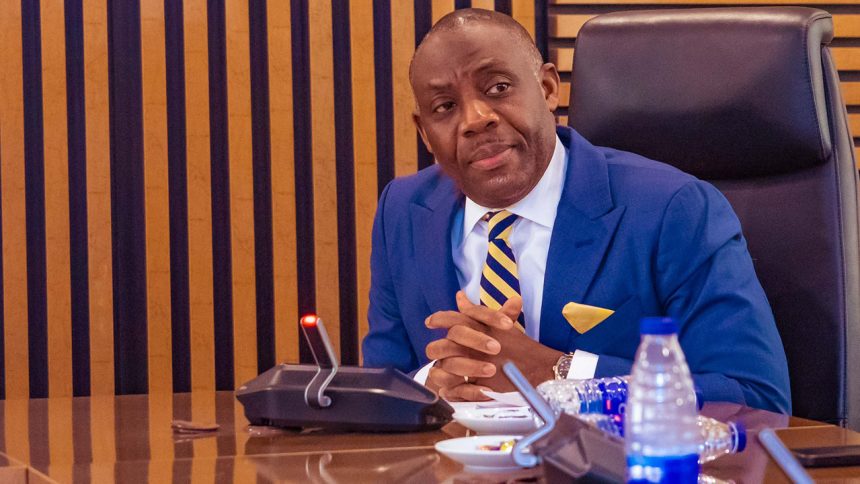
- Alausa Leads Digital Transformation Drive Across Nigeria’s Tertiary Institutions
- Alausa commended the BPP for its role in strengthening transparency
- … As institutions to handle up to N10bn procurements
The Federal Government has announced an ambitious plan to overhaul the procurement system across the education sector and connect all tertiary institutions in Nigeria to high-speed broadband by 2026 through the Nigerian Research and Education Network (NGREN).
Eko Hot Blog reports that the Minister of Education, Dr Tunji Alausa, disclosed this on Tuesday in Abuja during a joint meeting with the Bureau of Public Procurement (BPP), heads of federal tertiary institutions, bursars, procurement directors, and education agency leaders.
EDITOR’S PICK
- Lagos Govt Clamps Down on Illegal Dredging Sites in Ibeju-Lekki to Protect Residents, Environment
- Rep. Wale Raji Unveils Empowerment Drive, Free 400 Shops, New Roads for Epe Residents
- Princess Surah Animashaun Marks 100 Days in Office With Transformational Achievements in Epe
Alausa said the initiative forms a key part of the government’s strategy to improve transparency, efficiency, and digital accessibility in the education system.
“We cannot continue to operate in silos or allow wasteful spending when technology can bring efficiency, transparency, and connectivity to our institutions,” the minister stated.
He added that beginning in 2026, every federal tertiary institution in Nigeria will be connected to the NGREN platform through a coordinated funding mechanism managed by the Tertiary Education Trust Fund (TETFund). “No institution will be left behind,” he assured.
Dr Alausa also unveiled a new Procurement Guideline for Tertiary Institutions, jointly developed by the Ministry of Education, the Bureau of Public Procurement (BPP), and the Infrastructure Concession Regulatory Commission (ICRC). The guideline defines approval thresholds and procurement responsibilities to ensure accountability and reduce delays in project implementation.
“For the first time, we now have a single procurement document tailored to the specific needs of the education sector,” Alausa explained. Procurements up to ₦10 billion will now be handled directly by institutions, while projects above that amount will require approval from the Ministerial Project Approval Board.
Alausa commended the BPP for its role in strengthening transparency, saying the new framework would “make government work faster, simpler, and cleaner.”
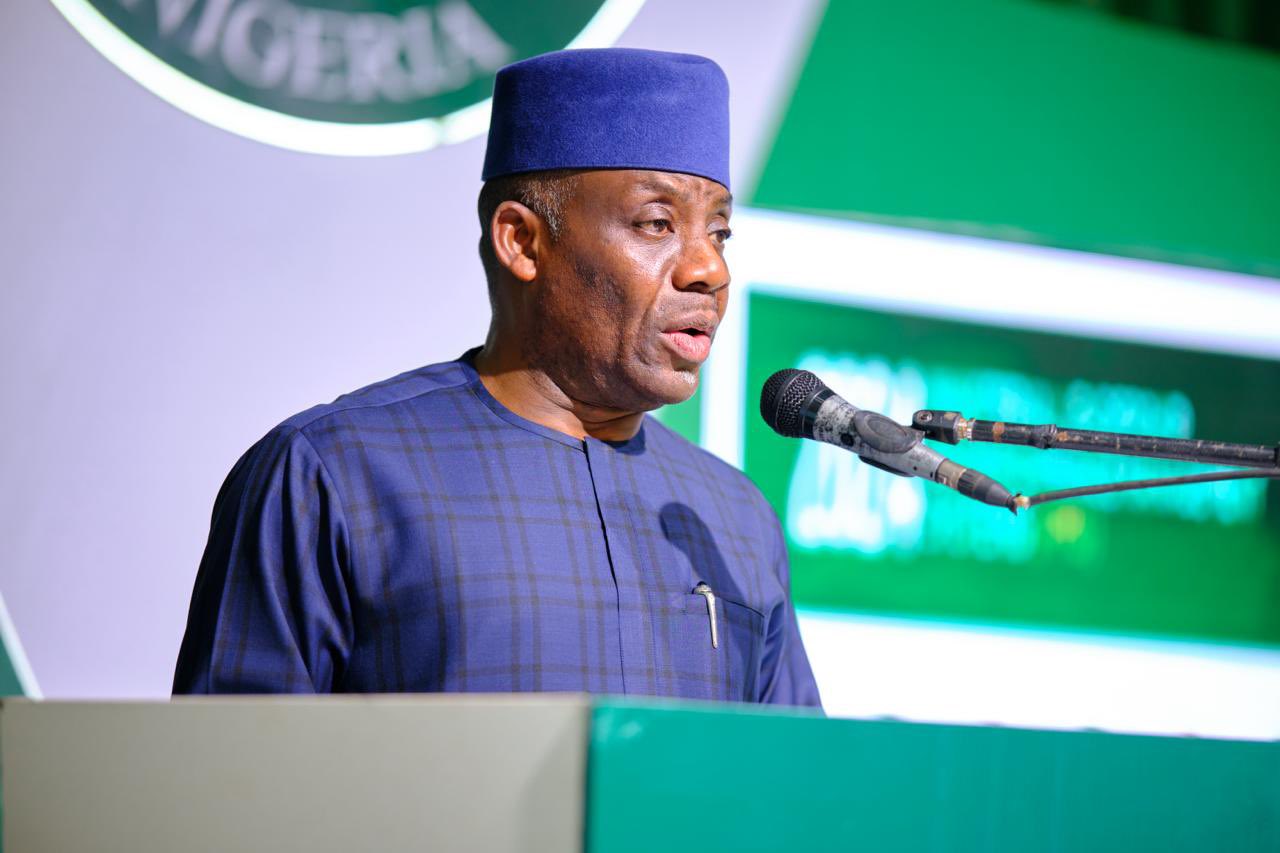
The Minister highlighted the importance of technology in improving access to education and research, identifying power and internet connectivity as major barriers to effective learning. He reaffirmed the government’s commitment to strengthening the NGREN broadband network to interconnect universities, polytechnics, colleges, and research centres nationwide.
“The NGREN is not just about providing internet. It is about linking our institutions to share knowledge, research data, and innovation seamlessly,” he said.
Through collaboration with TETFund and the National Universities Commission (NUC), the Ministry is integrating NGREN with the Tertiary Education Research and Applications System (TERAS), a digital platform that automates TETFund interventions and project monitoring.
Alausa revealed that the Ministry had secured a single ICT project clearance from the National Information Technology Development Agency (NITDA) for 2025, simplifying ICT procurement processes across institutions.
“With TERAS, institutions can process interventions, track projects, and access information directly from their mobile phones. This enhances transparency, reduces delays, and ensures accountability in how public funds are used,” he added.
The Minister further directed TETFund and NGREN management to work with private institutions to extend broadband benefits beyond public universities. He said the Ministry would partner with the Ministry of Communications, the World Bank, and NITDA to expand fibre-optic infrastructure to campuses across Nigeria.
“The government is providing a digital backbone for our education sector. Institutions without fibre connectivity should liaise with relevant agencies to be part of this transformative journey,” he said.
Alausa concluded by urging stakeholders to view investment in education not as an expense but as a foundation for national development. “These reforms are part of a long-term strategy to modernise Nigeria’s education sector, improve governance, and deliver quality learning outcomes for our youth,” he said.
FURTHER READING
- Araromi Kingdom Honours First Crowned Monarch, Oba Arowolo, on Third Coronation Anniversary
- APC Wins All Niger LG Seats
- Tinubu, Sanwo-Olu Hail Femi Otedola on 63rd Birthday
Click here to watch video of the week