In the last 24-48 hours, two stories — one from London and another from Abuja — have captured attention for very different reasons.
In the United Kingdom (UK), BBC Director General Tim Davie and Head of News Deborah Turness resigned after revelations that a Panorama documentary had misled viewers by editing parts of a speech delivered by U.S. President Donald Trump.
EDITOR’S PICKS
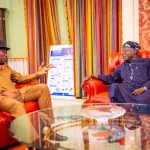
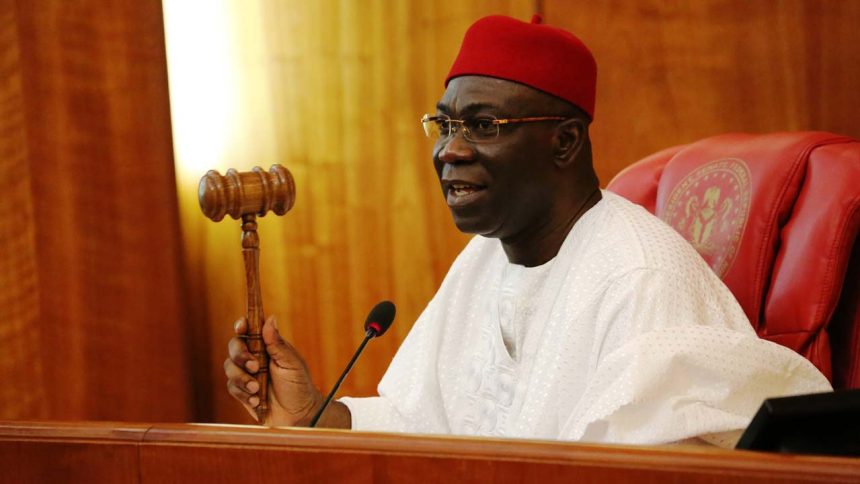
In Nigeria, a high-level delegation was reportedly dispatched to the UK to lobby for the release of former Deputy Senate President Ike Ekweremadu, who is serving a nine-year sentence for organ trafficking.
The contrast between the two developments is striking. In Britain, top media executives stepped down over a breach of editorial ethics; in Nigeria, the government is interceding on behalf of a convicted politician. One case reflects a culture where public accountability demands sacrifice; the other, a system where power often protects privilege.
Ekweremadu’s Conviction and the Nigerian Government’s Intervention
Ekweremadu has spent over two years in a British prison following his conviction for conspiring to traffic a young Nigerian man for organ harvesting.
In May 2023, a London court sentenced him to nine years and eight months in prison, alongside his wife, Beatrice, and a medical doctor, Obinna Obeta. The trio had been found guilty of arranging for the travel of a 21-year-old from Lagos to the UK to remove his kidney for their ailing daughter, Sonia.
While Beatrice was released in January 2025 and has since returned to Nigeria, Ekweremadu remains incarcerated. Now, reports indicate that President Bola Tinubu on Monday dispatched a high-level delegation to the UK, including Foreign Affairs Minister Yusuf Maitama Tuggar and Attorney General Lateef Fagbemi (SAN), to engage UK Ministry of Justice officials over Ekweremadu’s case.

This diplomatic move has drawn mixed reactions. Supporters argue that Nigeria has a duty to protect the rights of its citizens abroad, while critics see it as another instance of political privilege being deployed to shield an influential figure from the consequences of his actions. Observers note that Ekweremadu’s stature in Nigeria — as a veteran politician and power broker — might have guaranteed him impunity had his crime been committed on home soil.
BBC Leadership Steps Down Over Edited Trump Speech
In stark contrast, the UK witnessed the resignation of two of the BBC’s most senior executives — Davie and Turness — over an ethics scandal. The controversy arose from a Panorama documentary accused of misleading viewers by editing two segments of Trump’s January 6, 2021 speech to make it appear as though he incited the Capitol Hill riot.
A leaked internal memo revealed that the two sections spliced together in the broadcast were actually more than 50 minutes apart. The revelation sparked widespread backlash, with the White House calling the BBC “100% fake news.” Facing mounting public and political pressure, both Davie and Turness resigned — an unprecedented move for the broadcaster’s leadership to step down simultaneously.
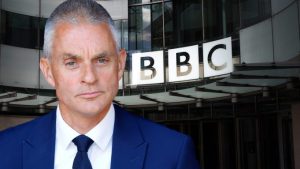
In his resignation statement, Davie acknowledged “mistakes made” and accepted ultimate responsibility, while Turness said the scandal had reached a point where it was “causing damage to the BBC.”
Both leaders emphasized accountability and transparency as essential to public trust, even while disputing claims of institutional bias within BBC News.
A Contrast in Consequence Culture
The two events reveal a striking disparity in how consequence is understood and applied across different societies.
In the UK, the resignation of top media executives over an editorial lapse demonstrates a deep-rooted culture of responsibility — one where leadership must answer for institutional failings, however unintended. Accountability is treated not as an act of weakness but as a moral duty.
In Nigeria, the same principle often collapses under the weight of political influence. Rather than respecting judicial outcomes, the government’s decision to lobby for a convict reinforces a pattern where the elite are insulated from the rule of law. It reflects a long-standing belief that power can override justice, a belief that has corroded public institutions and undermined faith in governance.
The Ekweremadu episode underscores how Nigeria’s consequence culture remains selective: harsh on the powerless but accommodating to the powerful. Had the BBC controversy occurred in Nigeria, few would expect resignations; had Ekweremadu’s crime been tried in Nigeria, few would expect conviction. The difference is not merely legal, it is cultural, ethical, and institutional.
FURTHER READING
Until consequence in Nigeria carries the same moral weight it does in more accountable societies, impunity will continue to thrive, and the cycle of moral compromise at the top will persist at the expense of justice, credibility, and national progress.
Philip Ibitoye is a Special Correspondent with EKO HOT BLOG. Click here to find daily analysis and critical insight on trending issues in Lagos and other parts of Nigeria.
Click here to watch the video of the week below: