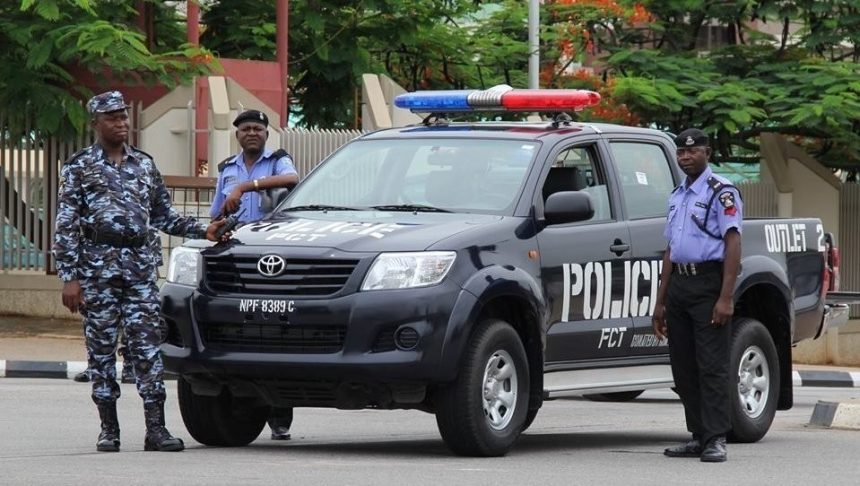
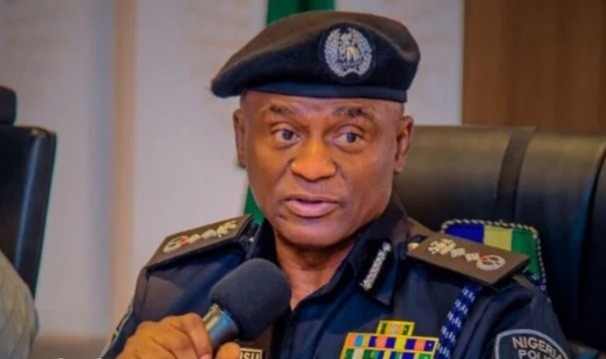
Inspector-General of Police (IGP) Tunji Disu on Monday approved a comprehensive restructuring of the Nigeria Police Force’s Monitoring Unit, appointing Deputy Commissioner of Police Aliyu Abubakar as its new head.
According to a statement signed by Force Public Relations Officer, DCP Anthony Okon Placid, the reorganisation is aimed at “enhancing operational effectiveness, strengthening internal oversight, and reinforcing discipline” across the Force.
EDITOR’S PICKS
The unit, the statement added, would be “repositioned as a credible and effective internal accountability mechanism.”
EKO HOT BLOG‘s review of previous IGPs’ statements on the team shows that the language is familiar and therein lies the problem.
A Unit With a Long Paper Trail of Abuse
The IGP Monitoring Unit has accumulated a damaging record across successive administrations.
In March 2021, the Nigerian Bar Association’s Epe branch petitioned then-IGP Mohammed Adamu, alleging that personnel of the unit were “only interested in land matters in Lagos State, particularly within the Lekki Axis,” using police powers to intimidate residents into surrendering legitimate property rights to land grabbers.
The petition, signed on behalf of the branch chairman Ademola Koko, was copied to the Attorney-General of the Federation, the Police Service Commission, and the Chief Judge of Lagos State, an indication of how seriously the lawyers regarded the threat.
The abuses did not end there.
In January 2026, Lagos-based businessman Adeolu Oyinlola petitioned IGP Kayode Egbetokun, the Police Service Commission, and the Presidency, alleging professional misconduct by the then-head of the unit, CP Akin Fakorede, including claims surrounding the alleged acquisition of a $150,000 Toyota Sequoia by false pretence.
Despite the petition being forwarded to the IGP’s office for action, the Force maintained a conspicuous silence.
In February 2026, activist Omoyele Sowore called on the incoming IGP Disu to dismantle the unit outright, describing Fakorede as “well known for serial violations of human rights.”
FCT Minister Nyesom Wike went further: speaking on Channels Television, he alleged that Fakorede had previously headed Federal SARS in Rivers State and labelled him “a killer,” adding that INEC had reportedly written to the police to bar Fakorede from participating in elections.
Human Rights groups had also warned, at the time of Fakorede’s December 2024 appointment by then-IGP Egbetokun, that his record of alleged brutality and extrajudicial killings could undermine public trust in the monitoring unit.
To his credit, IGP Disu removed Fakorede from his post shortly after assuming office on the promise of eradicating the culture of impunity in the Nigeria Police Force.
Restructuring Is a Reflex, Not a Remedy
IGP Disu’s action fits a pattern that Nigerians have seen before.
In April 2021, Acting IGP Usman Alkali Baba ordered the immediate disbandment of the unit’s satellite offices in Lagos and Port Harcourt, citing “incessant complaints of harassment and operating beyond briefs,” and vowed to streamline personnel and ban the unit from taking over criminal investigations from state commands, all in the name of “restoring professionalism.”
Two years later, in August 2023, Acting IGP Egbetokun again announced a “significant restructuring and strengthening” of the same unit, this time promising integration of advanced technologies and closer collaboration with external oversight bodies. Both interventions produced press releases. Neither produced lasting accountability.
PRESS RELEASE
CORRUPT ACTS: IGP RESTRUCTURES, STRENGTHENS MONITORING UNIT, X-SQUAD FOR EFFICIENCY
Orders CPs to Establish CRU in States, Tasks Units on Checkmating Excesses, Improper Behaviour of Police
As Benue, Plateau Gets New Commissioners of Police
Sequel to the receipt… pic.twitter.com/XDEi1gba1U
— Nigeria Police Force (@PoliceNG) August 4, 2023
The cycle reveals a structural failure that administrative reshuffling cannot fix. The unit operates with minimal external oversight, no independent civilian review mechanism, and a personnel culture that has proven resistant to change from within.
That Fakorede, removed as head of the Monitoring Unit under pressure in March 2026, was quietly redeployed to head the Anti-Fraud Unit at FCID Alagbon rather than face disciplinary proceedings is itself instructive. Redeployment, not sanction, remains the Force’s default response to documented misconduct.
For IGP Disu’s reform to mean anything beyond a press release, it must be accompanied by compulsory external reporting obligations, transparent disciplinary proceedings against officers with documented abuse records, and legislative backing that gives oversight bodies real teeth.
FURTHER READING
The appointment of a new unit head is a start. But without structural guardrails, the next IGP will be making the same announcement and Nigerians will still be the ones paying the price.
Philip Ibitoye is a Special Correspondent with EKO HOT BLOG. Click here to find daily analysis and critical insight on trending issues in Lagos and other parts of Nigeria.
Click to watch the video of the week below: